Gypsum vs POP False Ceiling: Cost per Sq Ft, Cracks and Which to Pick
Gypsum runs ₹65–95 per sq ft installed in 2026, POP ₹55–85 — but the right pick depends on your design, your deadline and what the ceiling looks like five years in.
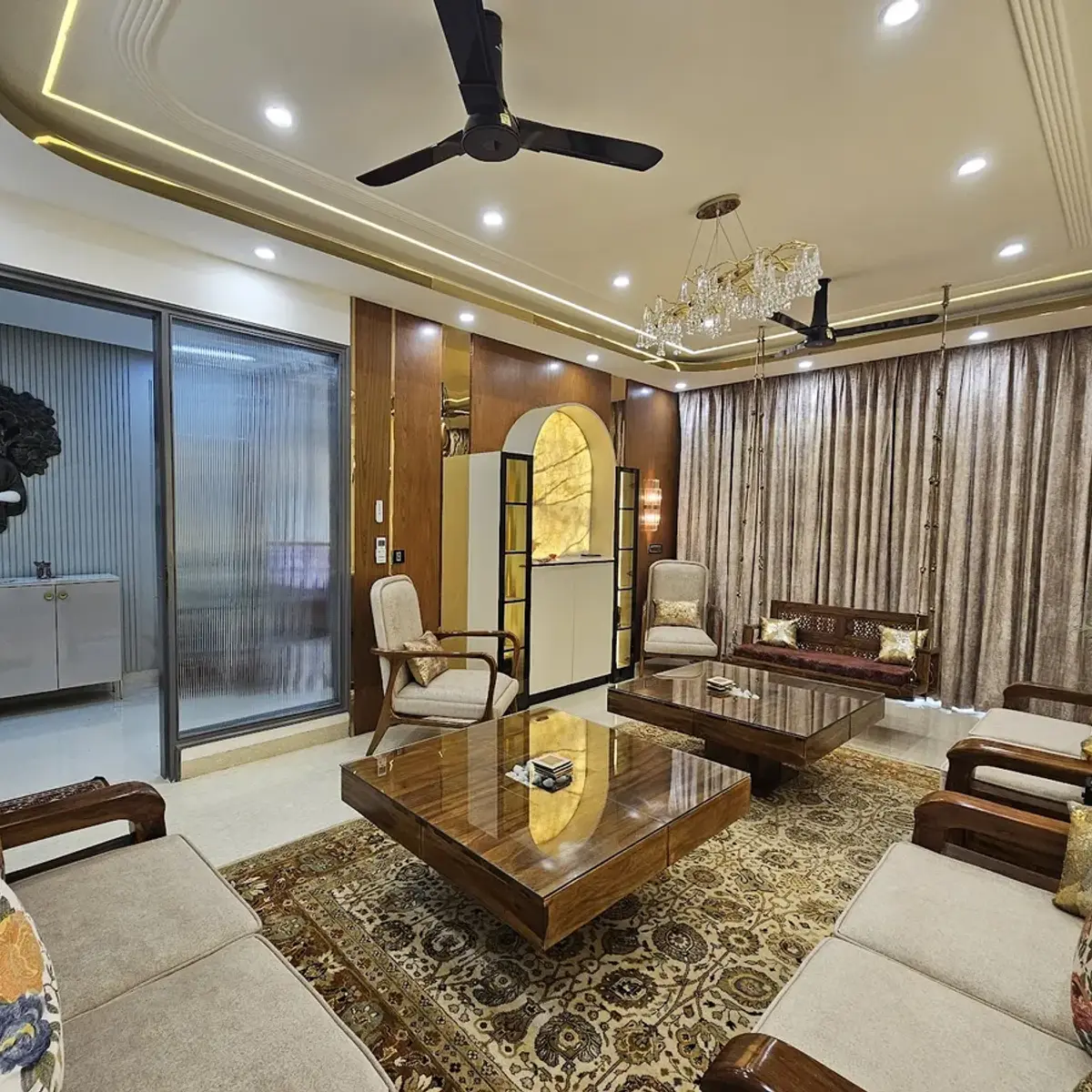
Here is the 2026 maths: a plain gypsum false ceiling costs ₹65–95 per sq ft installed, and a comparable POP ceiling costs ₹55–85 per sq ft. Painting adds ₹12–20 per sq ft on either. On a flat ceiling POP is roughly 10–15% cheaper; add cornices, curves or a second level and POP's labour bill eats that advantage. The short verdict: pick gypsum for flat, clean-lined ceilings on a deadline, pick POP for moulded, curved or cornice-heavy designs, and pick neither where water reaches. The full rate cards, five-year crack behaviour, repair costs and a room-by-room verdict follow.
This post assumes you have already ruled PVC out. If you are still weighing all three materials, start with the three-way comparison of POP, gypsum and PVC and come back here for the two-way decision.
Gypsum vs POP cost per sq ft: the 2026 rate card
Contractors quote a single installed number, which hides where your money goes. Split out, the typical 2026 metro rates look like this:
| Component | Gypsum | POP |
|---|---|---|
| Material (boards + GI channels / POP + mesh) | ₹30–45 per sq ft | ₹20–30 per sq ft |
| Labour | ₹30–45 per sq ft | ₹35–50 per sq ft |
| Installed, plain flat ceiling | ₹65–95 per sq ft | ₹55–85 per sq ft |
| Design premium (cornices, curves, levels) | +₹15–30 per sq ft | +₹10–25 per sq ft |
| Painting (primer + 2 coats emulsion) | ₹12–20 per sq ft | ₹12–20 per sq ft |
Three things to check on any quote. First, whether painting is included; it usually is not. Second, GST at 18% on a proper invoice. Third, minimum-area charges: most teams will not mobilise for under 100 sq ft without a lump sum of ₹8,000–12,000, which is why a single small bedroom costs more per sq ft than a whole 3 BHK. To see how the ceiling line sits inside your overall interiors budget, run your home through the interior cost calculator.
How each ceiling is actually built
Gypsum is a dry, factory-made system. A grid of GI channels hangs from the slab, and large gypsum boards screw onto it. Joints get taped and finished with jointing compound. One room goes up in 2–3 days with relatively little site mess.
POP is wet work. A chicken-mesh frame hangs from the slab, and plaster of Paris is mixed on site and applied by hand, coat over coat. It takes 5–7 days a room, creates real mess, and needs to dry properly before paint. The payoff is that the finished surface is monolithic, with no joints at all, and the material can be sculpted.

Finish: sharp joints vs sculpted curves
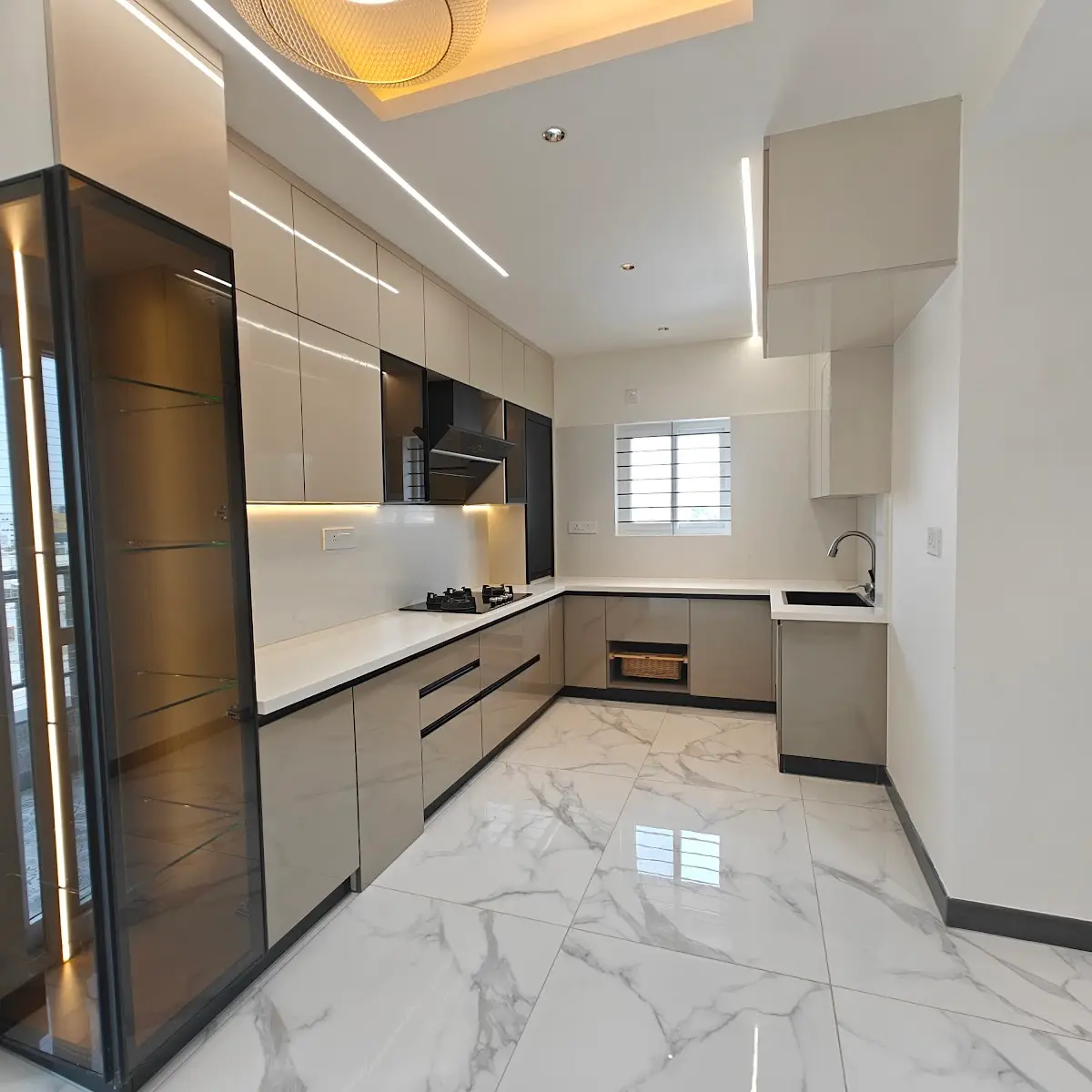
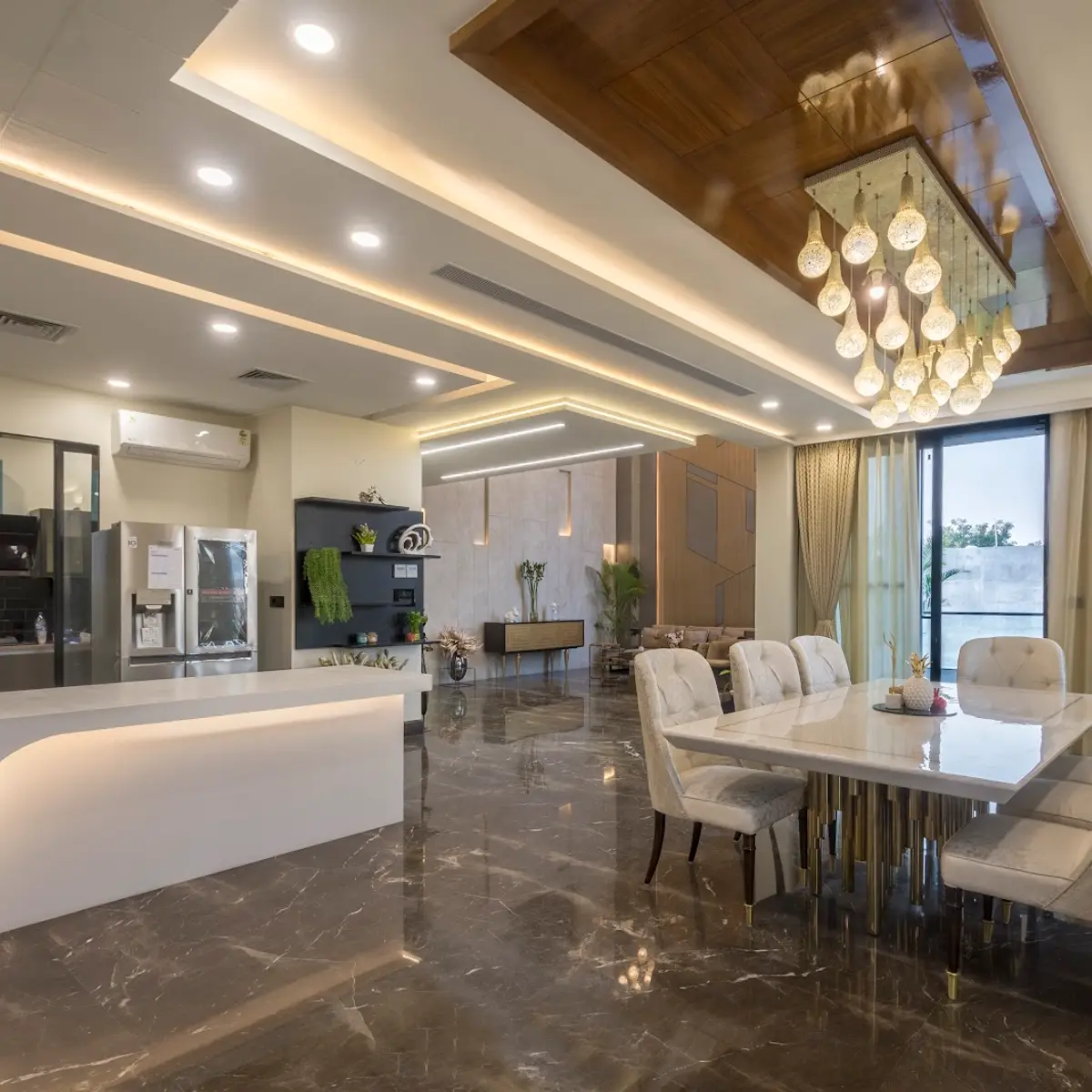
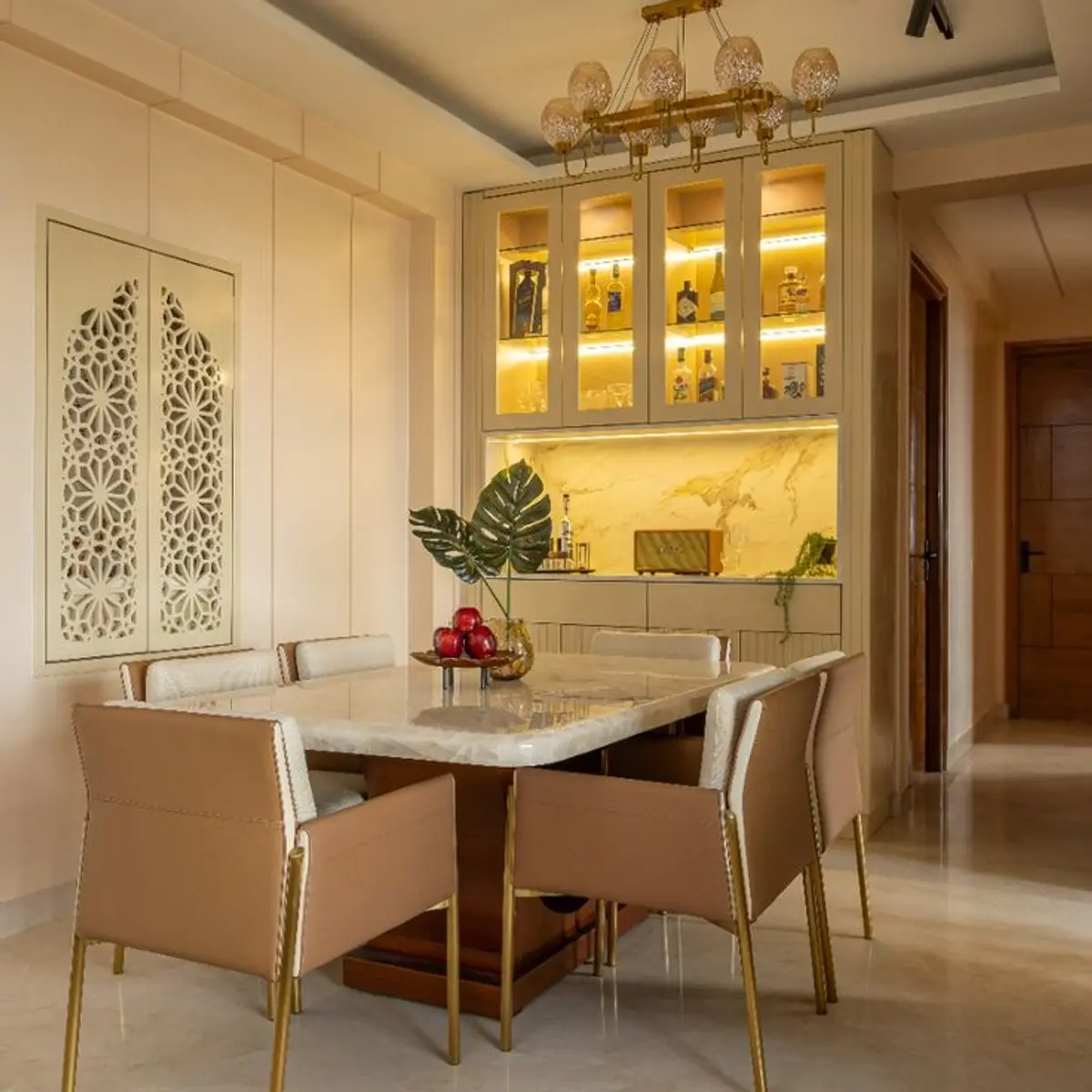
If your design is flat planes, shadow gaps and crisp rectangular coves, gypsum's factory edge gives a sharper line than hand-finished POP. If your design has curves, domes, arched niches, jaali-pattern cutouts or heavy cornice work, POP wins, because the material is applied by hand and can take any shape. This is why most minimalist homes end up with gypsum and most classic or ethnic-leaning designs end up with POP or a gypsum-plus-POP-cornice hybrid.
One honest caveat: finish quality tracks the mistri more than the material. A skilled POP hand produces glass-flat surfaces; a rushed gypsum crew leaves visible joint shadows. Ask to see a ceiling the team finished a year ago, not last week.
Five years later: cracks, sag and monsoon behaviour
Gypsum cracks at the joints, not the boards. Poor taping shows up as hairline lines along board edges within a year or two, especially visible under raking cove light. Sag happens only with moisture, and then it happens decisively; a leak from the flat above will bow a board within weeks.
POP develops fine shrinkage cracks across the surface as it ages, usually cosmetic. Its failure mode with water is worse: saturated POP loses strength and can drop chunks. In coastal or high-humidity cities, monsoon dampness alone will not kill either material, but any slab seepage will.
Both materials sit on steel supports, so neither "falls" on its own. Nearly every horror story traces to a plumbing leak or to fans and heavy chandeliers hung from the false ceiling instead of the slab, which is one of the classic false ceiling mistakes in Indian homes.
What repairs cost
Gypsum repairs are modular: cut out the damaged section, screw in a patch, tape and repaint. A typical patch runs ₹2,500–5,000 plus repainting. The catch is colour: a patch-painted circle rarely matches a five-year-old ceiling, so budget to repaint the whole ceiling for an invisible fix.
POP patches blend better into the surface because the repair material is the same plaster, but matching a damaged cornice or moulded design needs a skilled hand, and skilled POP labour now bills ₹800–1,200 a day in metros. Small POP patch jobs land in the same ₹2,000–5,000 band; design restoration costs more.

The room-by-room verdict
| Room | Pick | Why |
|---|---|---|
| Bedroom | Gypsum | Flat ceiling + peripheral cove is the standard look; fast, clean install matters in a lived-in home |
| Living / hall | Either | Gypsum for minimal, linear designs; POP if you want cornices, curves or a layered centrepiece |
| Bathroom | Neither (standard) | Use moisture-resistant green-board gypsum or PVC; standard boards and POP fail with steam and splashes |
| Kitchen | Gypsum | Flat, easy to repaint after grease and smoke; keep the design simple near the hob |
If the ceiling is part of a larger redesign, decide the lighting plan before the material; coves, spots and pendant points drive the design more than the board does. For what your chosen design will cost per sq ft in your city, the 2026 city-by-city rate guide has the tables.
Frequently asked questions
Which is cheaper, a gypsum or a POP false ceiling?
For a plain, flat ceiling, POP is cheaper: ₹55–85 per sq ft installed in 2026 against ₹65–95 for gypsum. Add cornices, curves or multi-level designs and the gap closes or reverses, because POP designs are labour-heavy. Painting adds ₹12–20 per sq ft on either material, so compare final painted rates, not bare quotes.
Do gypsum false ceilings crack?
The boards themselves rarely crack; the joints between boards do. If the taping and jointing compound work is rushed, hairline cracks appear along board lines within a year or two, and raking cove light makes them obvious. Insist on paper or fibre tape with two coats of jointing compound, and the ceiling should stay clean for years.
Which lasts longer, POP or gypsum?
Kept dry, both last 15 years or more, so longevity should not decide this. The real killer for either material is water: a slab leak or seepage from the bathroom above will sag gypsum boards and pop chunks out of POP. Fix the leak source first; no ceiling material survives repeated soaking.
Can I use POP or gypsum in a bathroom?
Not standard boards. In a bathroom that takes steam and occasional splashes, use moisture-resistant (green board) gypsum at minimum, and plain PVC panels where dripping is likely, such as above a shower area or in a wet utility balcony. Standard POP and regular gypsum will stain, swell and sag in a couple of monsoons.
How long does false ceiling installation take?
Gypsum is fast: the grid and boards for one room go up in 2–3 days, and painting can start after jointing dries. POP is slower: mesh fixing, plaster application and proper drying take 5–7 days per room, and painting too early over damp POP causes patchiness. Factor this in if you are racing a possession or griha pravesh date.
Want a real estimate for your home?
Share your home in 2 minutes. We'll match you with designers in your city and give you a BOQ-level estimate before any work begins.
Share your home →