Renovating Room by Room vs the Full Home at Once: the Real Cost Difference
Phasing the same scope over two or three years typically costs 10–20% more — repeated mobilisation, trade minimums, inflation and matching costs. But phasing is still right in specific cases. The honest arithmetic on both sides.
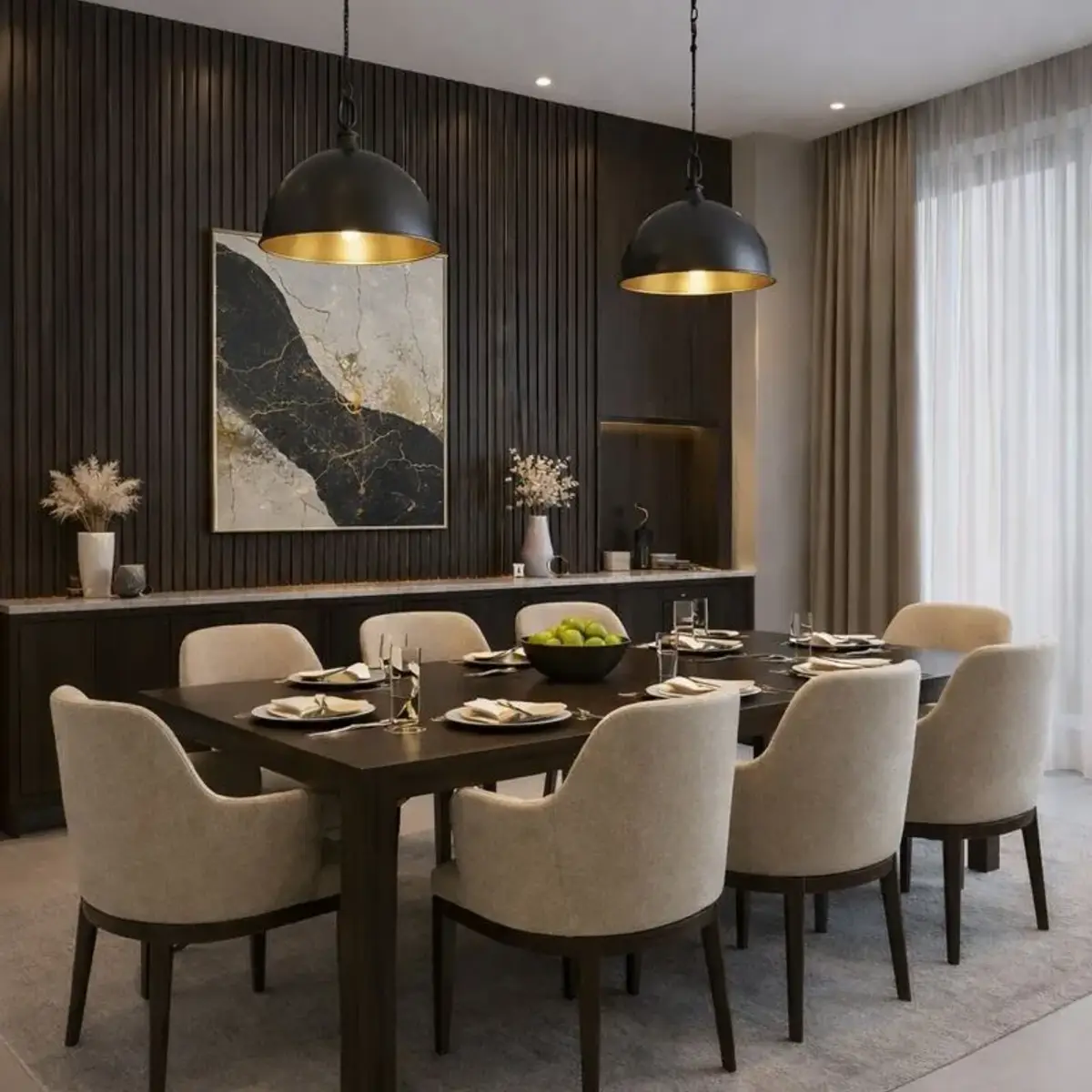
Doing the whole home in one go typically costs 10–20% less than renovating the same rooms one by one over two or three years — the phased route pays for repeated contractor mobilisation, repeated protection and cleaning, material price inflation between phases, and finishes that never quite match. For scale, the median whole-home interior across 68 completed AI estimates on HeyBuddy (Aug–Sep 2026) is ₹25.9 lakh; a 15% phasing penalty on that scope is ₹3.5–4 lakh, quietly spread across phases where no single bill looks wrong. But phasing is still the right call in specific situations, mostly to do with cash flow and living arrangements. Here is the honest arithmetic on both sides.
Where the phasing penalty actually comes from
Nobody sends you an invoice titled "cost of doing this in three parts". The penalty hides in five places:
Mobilisation, repeated. Every phase restarts the machine: contractor mobilisation and site setup (₹15,000–40,000 per phase for organised firms), masking and floor protection (₹5,000–15,000), scaffolding if ceilings are involved, and a deep clean at the end. Three phases means paying this three times; one project pays it once.
Trade minimums, repeated. An electrician or painter has a minimum day rate whether he works on one room or four. Painting one bedroom costs more per sq ft than painting the same bedroom inside a whole-house job, because the setup and cleanup amortise over less area. Expect 10–25% worse per-unit rates on small phases.
Price inflation between phases. Material and labour rates in Indian metros have been drifting up a few percent a year. Phase 3, done 24 months after phase 1, is priced on a different rate card for the identical spec.
Matching costs. The laminate batch, the paint shade and even the vitrified tile lot from phase 1 may be discontinued by phase 3. You either pay for a visible mismatch or pay to redo a bit of old work so the new blends. Anyone who has tried to match a three-year-old laminate knows this is not hypothetical.
Design drift. Rooms designed separately, by different people, at different times, produce a home that looks assembled rather than designed. This one costs nothing and bothers you daily.
| Cost head | Full home, once | Same scope in 3 phases |
|---|---|---|
| Mobilisation + protection + cleanup | ₹25,000–55,000 | ₹60,000–1.5 lakh |
| Trade minimums / small-job premium | Baseline | +10–25% on phased rooms |
| Material inflation over 2–3 years | None | +3–8% on later phases |
| Matching/rework at phase joints | None | ₹10,000–50,000 |
| Design coherence | One designed home | Depends on discipline |
The costs of living through it — the part both sides undercount
Full-home-at-once has its own hidden line: you may not be able to live there. A gutted 3 BHK means 6–12 weeks in a rental or with family; in a metro that is ₹30,000–60,000 a month plus two shiftings. Phased work lets you stay — you seal off one room and live in the rest.
But living through phases is not free either. Each phase brings 2–4 weeks of dust, drilling from 10 am, masked furniture and a kitchen that may be out of action. Three phases means going through possession-week chaos three times, with toddlers or WFH calls in the middle of it. Households consistently underestimate how much this costs in leave days, eating out and general wear on everyone's patience.
The clean comparison: if you would need to rent during a full renovation, add that rent to the full-home column before deciding. If you can time the full job before you move in — the possession window — the rental cost is zero, and full-home-at-once wins by its entire margin. This is why the strongest advice in this whole debate is boring: if you have not yet moved in, do not phase.
When phasing genuinely makes sense
Phasing is the right answer more often than full-home evangelists admit:
- Cash flow is real. If funding the full scope means a personal loan at 11–14%, the interest can exceed the 10–20% phasing penalty. Phasing lets you pay from savings, phase by phase. Do the maths on your actual loan rate before assuming the lump sum is cheaper.
- You are living in the house with no exit. With school-going kids and no second home, a 10-week full gut is genuinely brutal. Two contained phases may cost 15% more and be worth every rupee.
- The scope is honestly separable. Bathrooms and kitchen (wet, civil-heavy, disruptive) as phase 1; bedrooms and living woodwork (dry, quick) as phase 2 is a natural joint. Splitting the living room ceiling from the living room paint is not.
- You want to test a designer or contractor with one room before trusting them with twenty-five lakh. Expensive insurance, but rational after a bad experience.
If you do phase, cut the penalty with three disciplines: design everything upfront even if you build in stages, so phase 3 was decided in phase 1; buy joint-sensitive materials (tiles, laminates, paint) in one lot with spares; and sequence wet/civil work first so no finished room ever sits downstream of demolition dust.
Design once, build in phases: the middle path
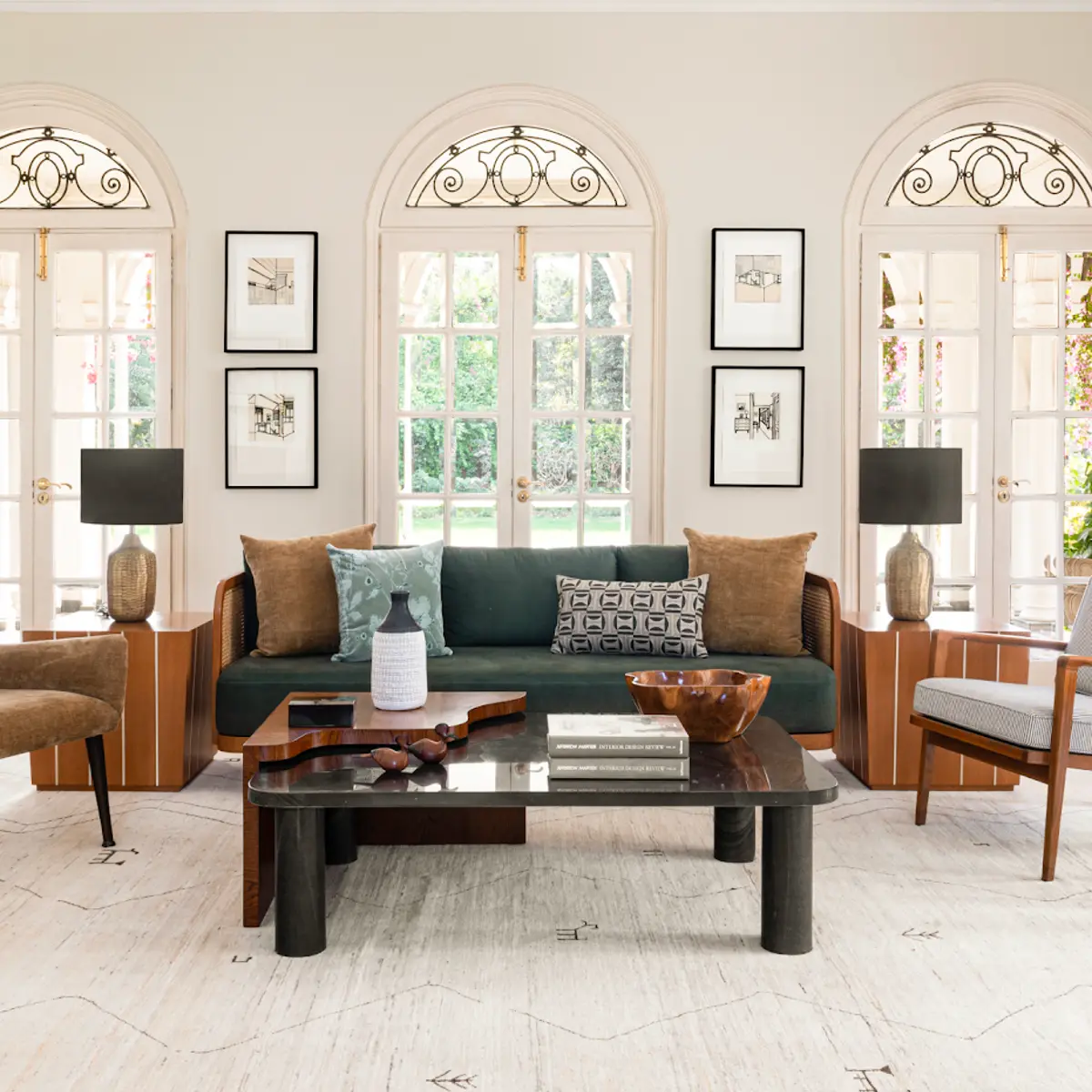
The phasing penalty splits into two parts — the money part (mobilisation, minimums, inflation) and the coherence part (mismatched, assembled-looking rooms). The second part is now cheap to eliminate: get the entire home designed as one scheme before any work starts, then build whichever rooms your cash flow allows.
This is exactly what an AI whole-home design is for. Upload your floor plan, and HeyBuddy's design tool produces a coherent design for every room — palette, materials and finishes resolved against each other — with a room-wise cost estimate attached. You can browse real AI-designed homes to see what a full-home scheme looks like, and run your own plan through the interior cost calculator to get per-room numbers you can phase against. The estimate is not a quotation — a contractor still prices the actual work — but it gives every phase a shared blueprint and a budget skeleton, which is precisely what phased projects usually lack.
With a full design in hand, phasing becomes a financing decision instead of a design compromise. That is the position you want to decide from.
Frequently asked questions
Is it cheaper to renovate the whole house at once?
Usually yes, by about 10–20% for the same scope. Phasing pays repeated mobilisation and protection costs (₹20,000–50,000 per phase), small-job premiums on trade rates, material inflation between phases, and matching or rework where old and new finishes meet. On a ₹25 lakh scope, that penalty is typically ₹3–5 lakh.
When does room-by-room renovation make sense?
When cash flow would otherwise force a personal loan whose interest exceeds the phasing penalty, when you must live in the home with no rental option, when scopes separate cleanly (wet areas first, dry rooms later), or when you want to test a contractor on one room first. Phasing is a legitimate financing strategy — it just should not be a design strategy.
How can I reduce the extra cost of phased renovation?
Design the whole home upfront so every phase builds toward one scheme, buy matching-sensitive materials like tiles, laminates and paint in a single lot with spares, sequence civil and wet work in the earliest phase, and negotiate mobilisation as a named line item across phases. Done well, disciplined phasing can shrink the penalty to under 10%.
Should I renovate before moving in or after?
Before, if at all possible. During the possession window a full-home job costs you no rent, no living-through-dust, and no repeated shifting — the strongest version of the full-home-at-once case. Once you are living in the home, the calculus tilts toward fewer, larger phases rather than many small ones.
Want a real estimate for your home?
Share your home in 2 minutes. We'll match you with designers in your city and give you a BOQ-level estimate before any work begins.
Share your home →