Do You Actually Need a False Ceiling? The Alternatives, Costed
A false ceiling solves three problems — concealment, recessed light and proportion. If none applies to your home, ₹15,000–30,000 of tracks, coves and paint beats a ₹75,000 ceiling.
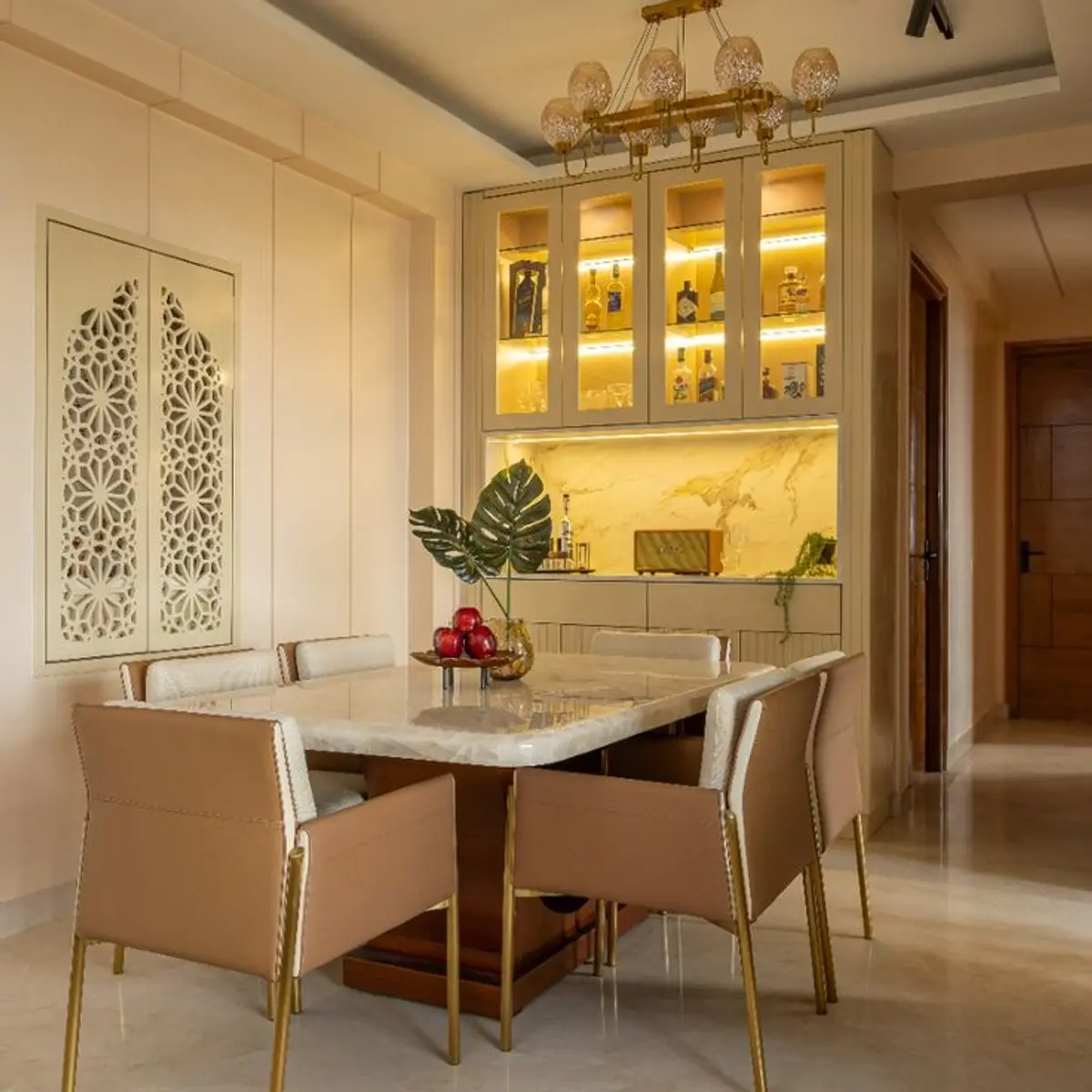
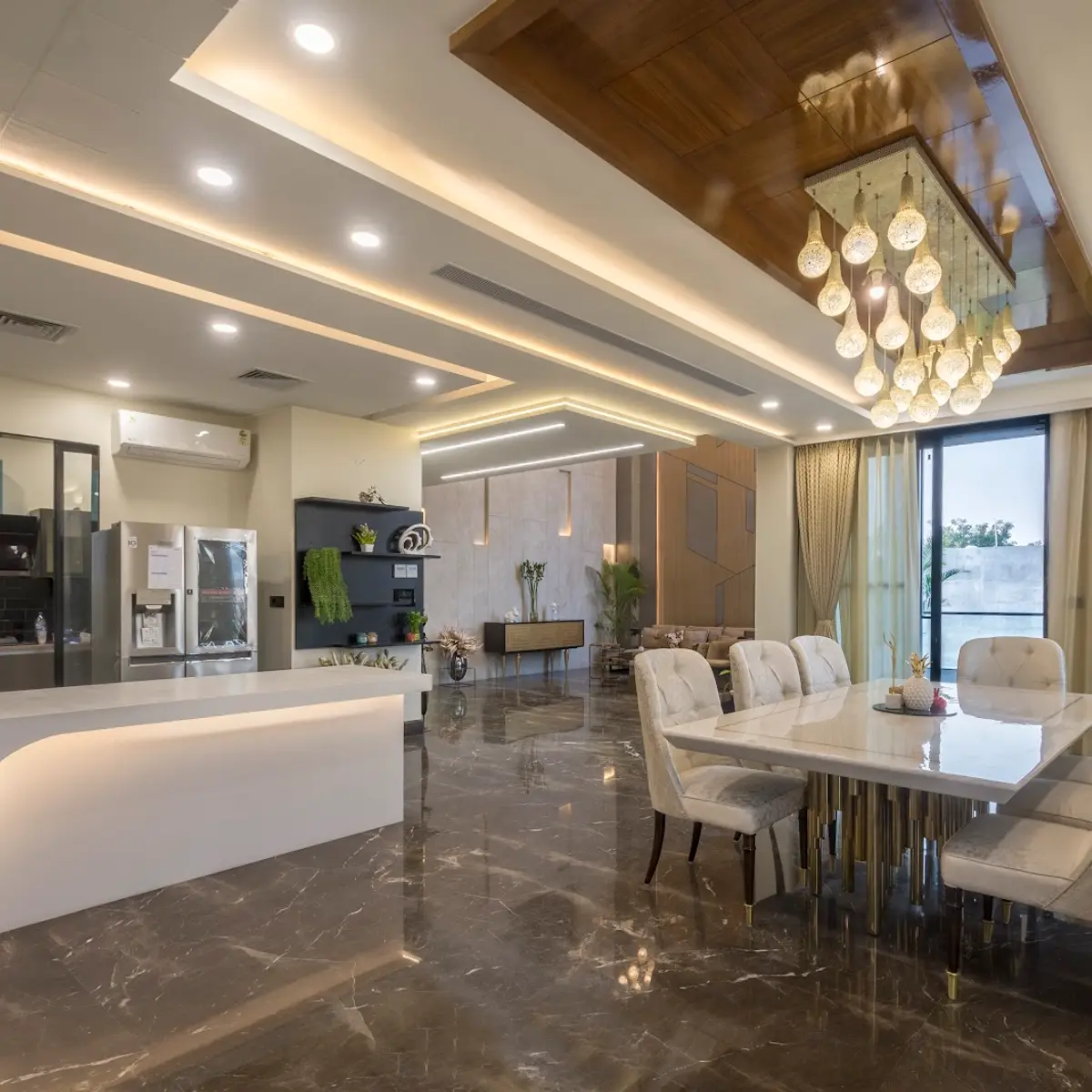
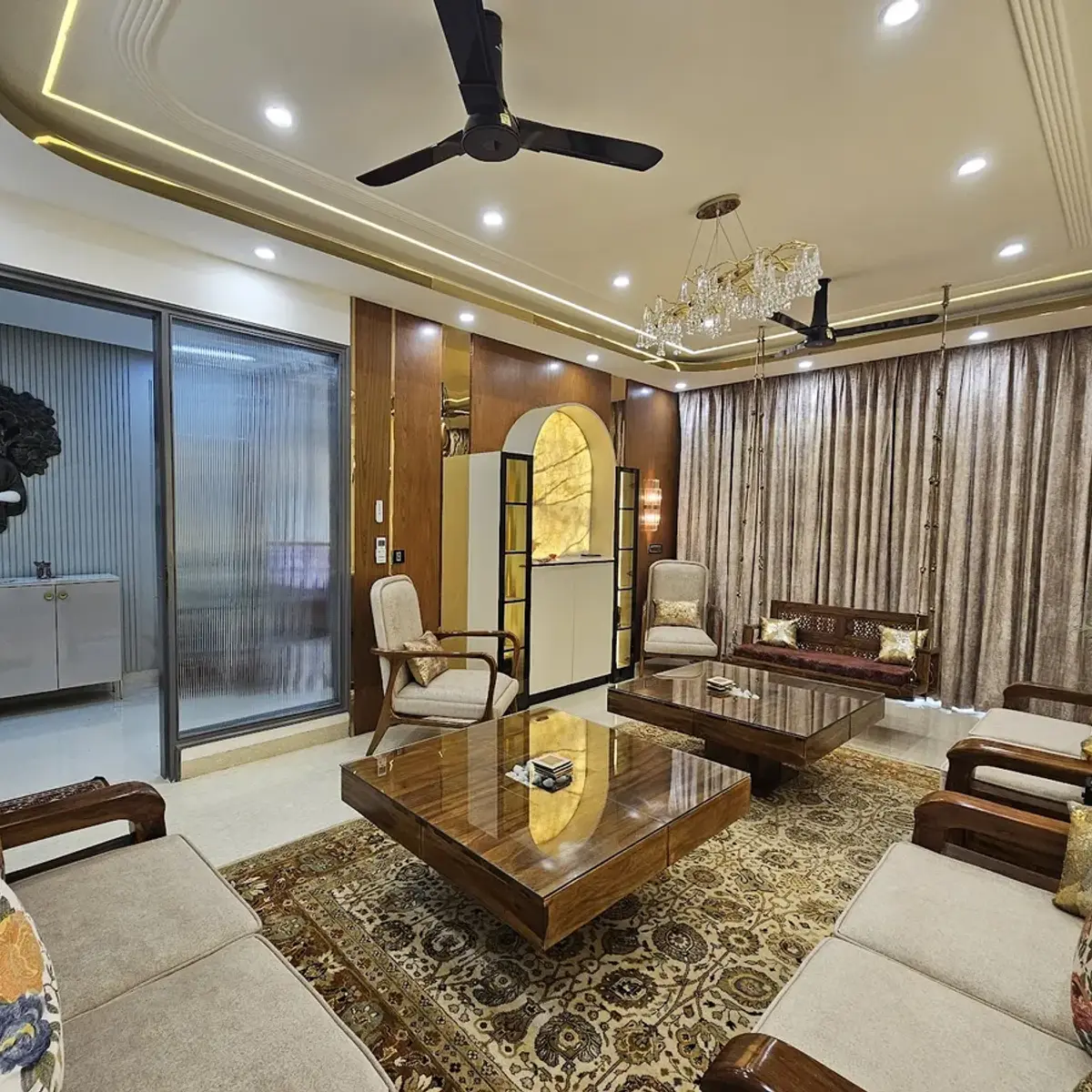
No, a false ceiling is not necessary. It solves exactly three problems: concealing ducted-AC runs and wiring, housing recessed lights, and visually lowering a very tall slab. If none of those applies to your home, the ₹60,000–90,000 a fully designed hall ceiling costs in 2026 buys more effect elsewhere. A track-light-and-paint scheme delivers a designed look for ₹15,000–30,000; a cornice cove adds the warm indirect glow for under ₹20,000. And on a 9 ft slab, dropping 6 inches can make the room feel worse, not better. Here is the decision, with every alternative costed.
The three jobs a false ceiling actually does
Concealment. Ducted and cassette ACs, bunched wiring, and the odd structural beam genuinely need a ceiling or at least a bulkhead to disappear. This is the one non-negotiable case.
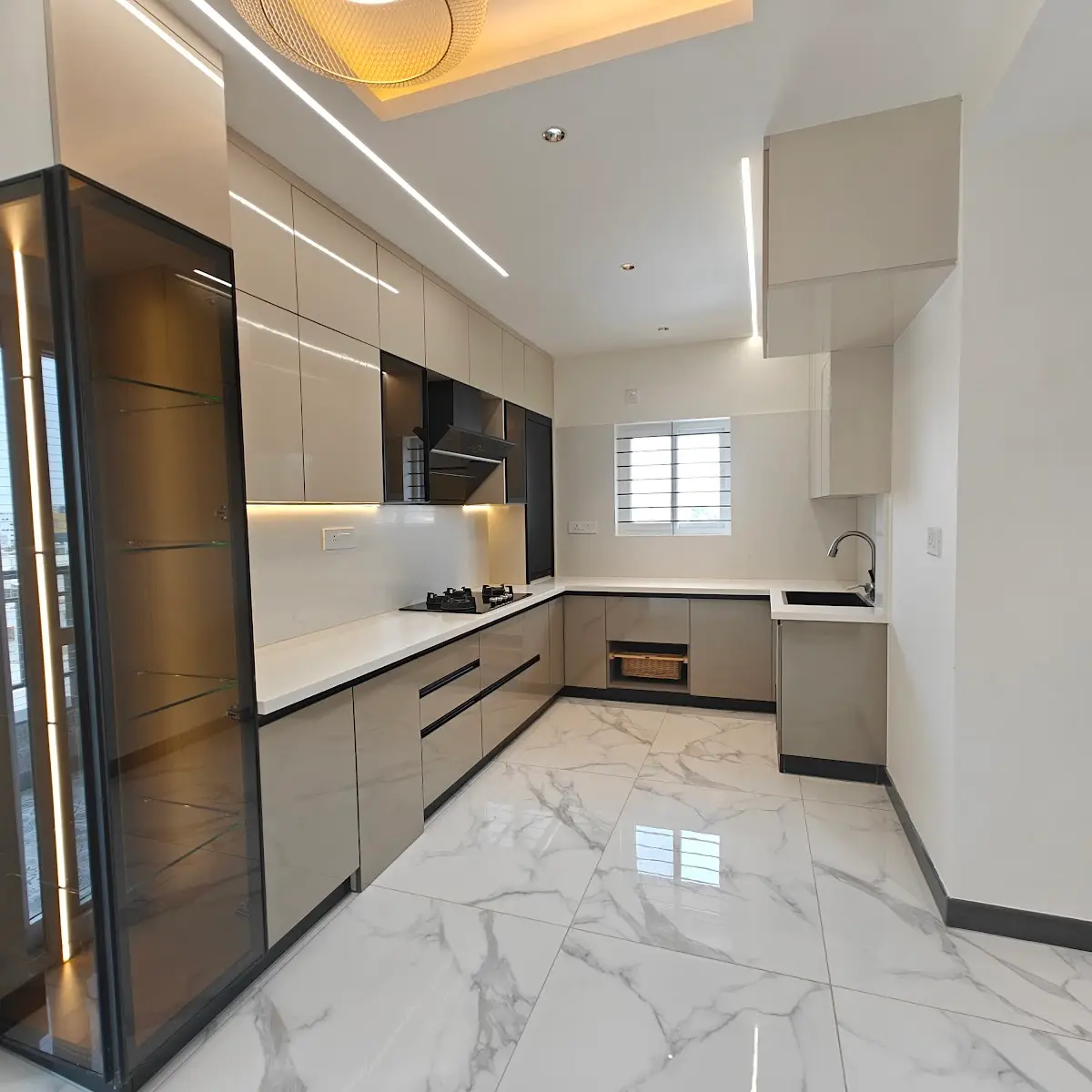
Recessed lighting. Spots, panels and cove strips need a cavity. If your heart is set on that hotel-lobby wash of hidden light across the whole ceiling, only a false ceiling provides it.
Proportion. In double-height spaces or old high-ceilinged homes, a dropped ceiling brings scale down to human. In a standard 9–10 ft apartment slab, this job does not exist; the developer already did it.
Everything else a ceiling gets credited with — cooling, luxury, "finishing" a room — is either marginal or achievable cheaper.
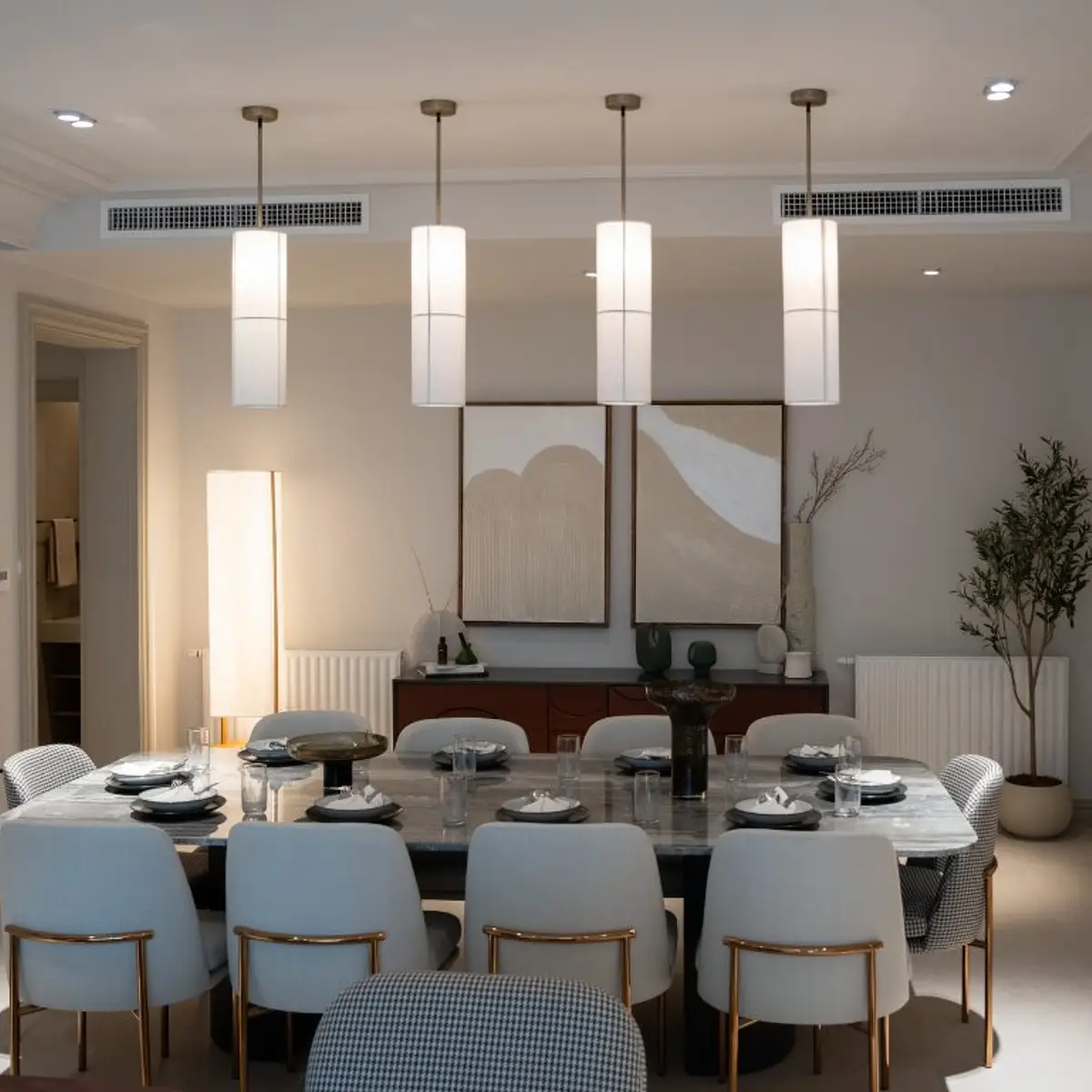
The alternatives, costed for a 12x15 hall
| Option | Typical 2026 cost, installed | What it gives you |
|---|---|---|
| Track lights (2 tracks, 6–8 heads) | ₹8,000–18,000 | Directional, adjustable drama; gallery feel; zero height loss |
| Surface-mounted LED profile lines | ₹250–450 per running ft; ₹8,000–15,000 for a hall | The linear "architect light" look, straight on the slab |
| POP/gypsum cornice cove with LED strip | ₹200–350 per running ft; ₹12,000–20,000 | The warm indirect cove glow, without boarding the ceiling |
| Statement pendants or chandelier | ₹3,000–40,000 per fitting | A focal point; anchors dining tables and seating |
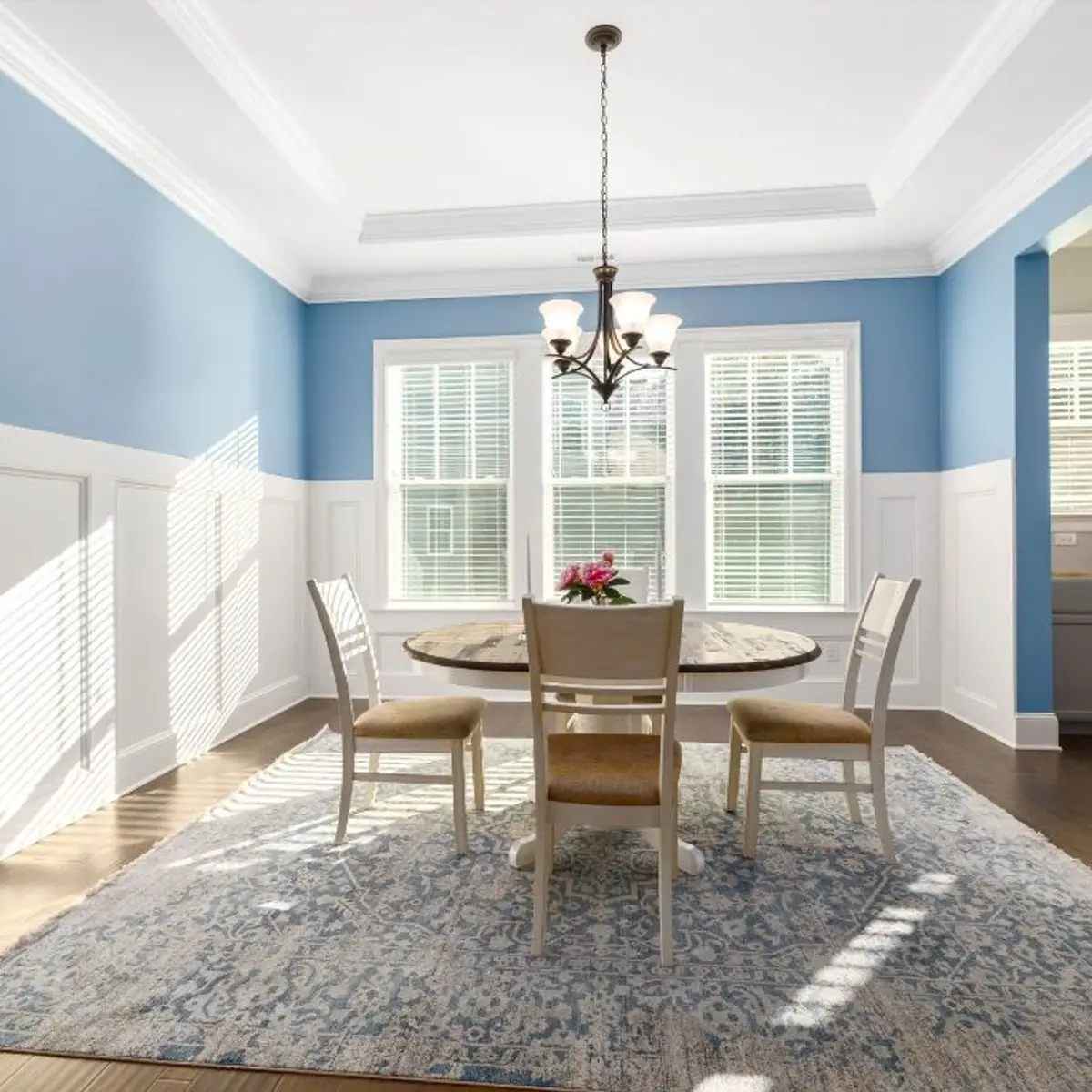
| Deep-colour ceiling paint + moulding | ₹6,000–15,000 | Character and perceived height; the cheapest transformation |
| Full false ceiling with lighting, for reference | ₹60,000–90,000 | Everything above in one integrated surface |
Mix two or three of these and most halls reach a finished, deliberate look for a quarter to a third of the full-ceiling spend. The per sq ft economics of the full version are broken down in the 2026 false ceiling cost guide.
A worked no-ceiling scheme for that hall
One combination that photographs as "designed" without touching the slab: a cornice cove with warm LED strip around the room (₹15,000), one track with four adjustable heads washing the TV or art wall (₹9,000), a pendant cluster over the seating corner (₹8,000), and the ceiling painted a shade lighter than the walls with a slim moulding border (₹8,000). Total: around ₹40,000, against ₹75,000-plus for a full ceiling delivering a similar evening mood. The saving is a wardrobe shutter upgrade or most of a good sofa.
And in bedrooms
Bedrooms need the ceiling even less. The light you actually use at night is bedside lamps and a soft cove; a wall-mounted cornice cove plus two plug-in lamps costs under ₹15,000 and leaves the slab, and the fan, exactly where the developer put them. Save the drop for rooms where guests look up.
When your slab argues against it
Most Indian apartments hand over with 9 ft to 9 ft 6 in of clear height. A minimal cove needs a 4 inch drop, spotlights need about 6 inches, and ducted AC needs 12 or more. Take 6 inches off a 9 ft slab and you live under 8 ft 6 in; add a dark ceiling colour or a chunky fan and the room starts to press down on tall occupants. On a 10 ft slab the same drop is invisible. The honest rule: the shorter your slab, the stronger the case for the alternatives — peripheral borders at most, nothing full-coverage. The drop-by-fixture maths is in the false ceiling height guide.
When a false ceiling genuinely earns its cost
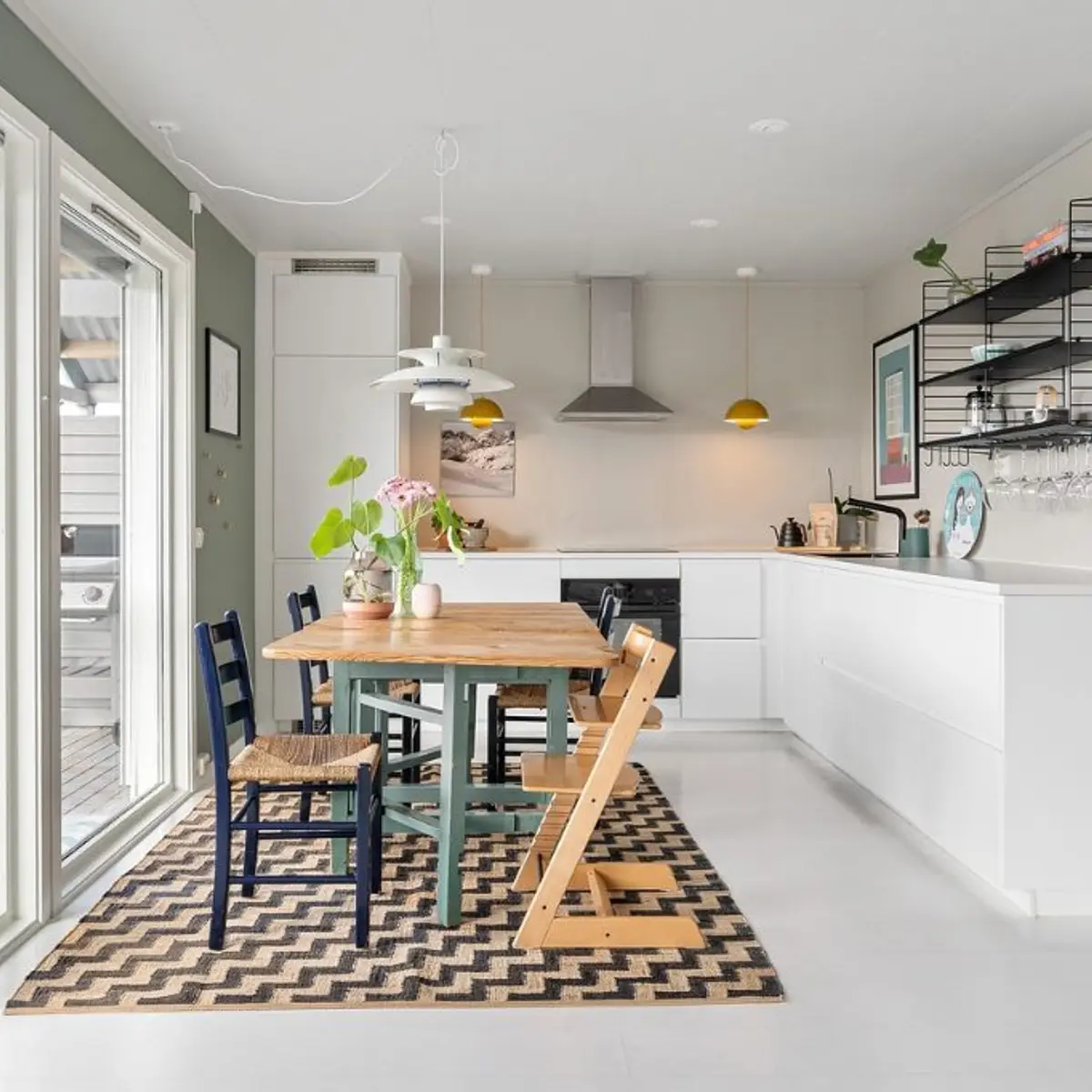
Be fair to the other side. If you are installing ducted or cassette AC, the decision is made for you. If your top-floor slab bakes all summer, the air gap gives real if modest relief. If the design language you love is recessed minimalism — flat planes, hidden sources, no visible fittings — no combination of tracks and pendants will fake it. And in living rooms with 10 ft slabs, a layered ceiling with cove plus spots remains one of the strongest room-transformers per rupee in interiors.
Decide from a design, not a default
The failure mode is treating the ceiling as a checkbox because every reference photo has one. Browse living room design ideas with the specific question "what is the ceiling doing here" and you will notice many of the best rooms lean on wall treatment, light placement and furniture instead. Better still, put your own floor plan through an AI design of your home and compare versions with and without the drop; seeing your actual hall both ways beats any rule of thumb this post can offer.
Frequently asked questions
Is a false ceiling necessary for air conditioning?
Only for ducted or cassette AC systems, which need the machine and ducting concealed. A normal split AC needs no false ceiling at all; the indoor unit hangs on the wall and the piping runs through a drilled hole. Do not let anyone sell you a ceiling as an AC requirement when your flat uses ordinary splits.
Does a false ceiling make a room cooler?
Marginally. The air gap between slab and ceiling adds some insulation, which top-floor homes under a sun-baked slab do feel, and a smaller enclosed volume cools slightly faster. For everyone else the effect is minor, and it is a weak reason on its own to spend ₹60,000–90,000 on a hall ceiling.
Can I get cove lighting without a full false ceiling?
Yes. A POP or gypsum cornice with a concealed LED strip mounted where wall meets ceiling gives the classic warm cove glow at ₹200–350 per running ft installed, roughly ₹12,000–20,000 for a mid-size hall. Surface-mounted aluminium profile lights on the slab achieve a similar linear-light effect for even less.
Is a false ceiling needed in bedrooms?
No. Bedrooms need soft, layered light: bedside lamps, a wall-mounted or cornice cove, perhaps a track spot for a reading corner, all achievable without dropping the slab. Do a bedroom ceiling if you want ducted AC concealed or love the recessed look, not because every reference photo happens to have one.
What can I do instead of a false ceiling?
Track lights for directional drama, surface-mounted profile lights for clean lines, a cornice cove for warm indirect glow, statement pendants over the dining table or sofa, and a deep-colour painted ceiling with moulding for character. Any two of these together cost ₹15,000–35,000 for a hall, versus ₹60,000–90,000 for a full ceiling with lighting.
Want a real estimate for your home?
Share your home in 2 minutes. We'll match you with designers in your city and give you a BOQ-level estimate before any work begins.
Share your home →