Why Most Indian Modular Kitchens Stop Working Within a Year
Why standard showroom catalogues and aesthetic-first layouts fail the heavy-duty reality of daily Indian cooking within twelve months.
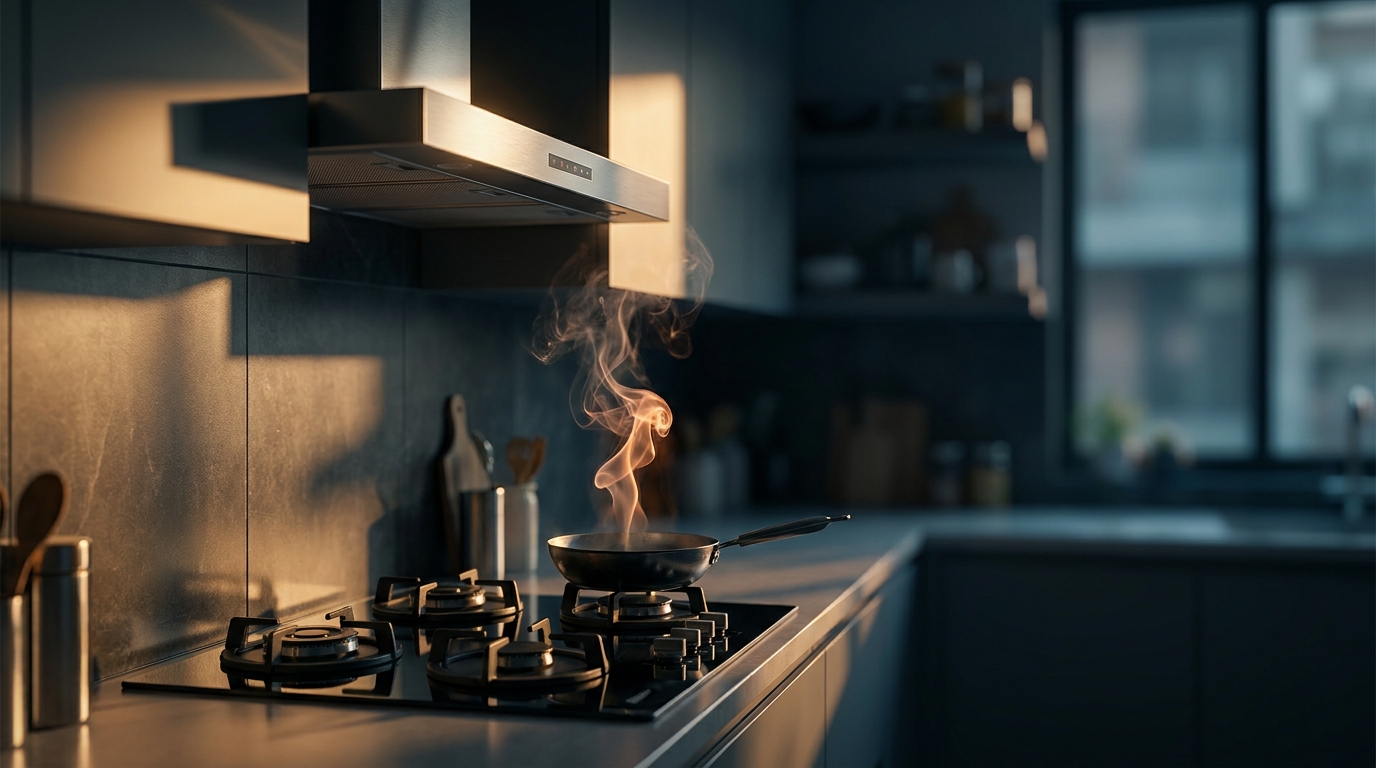
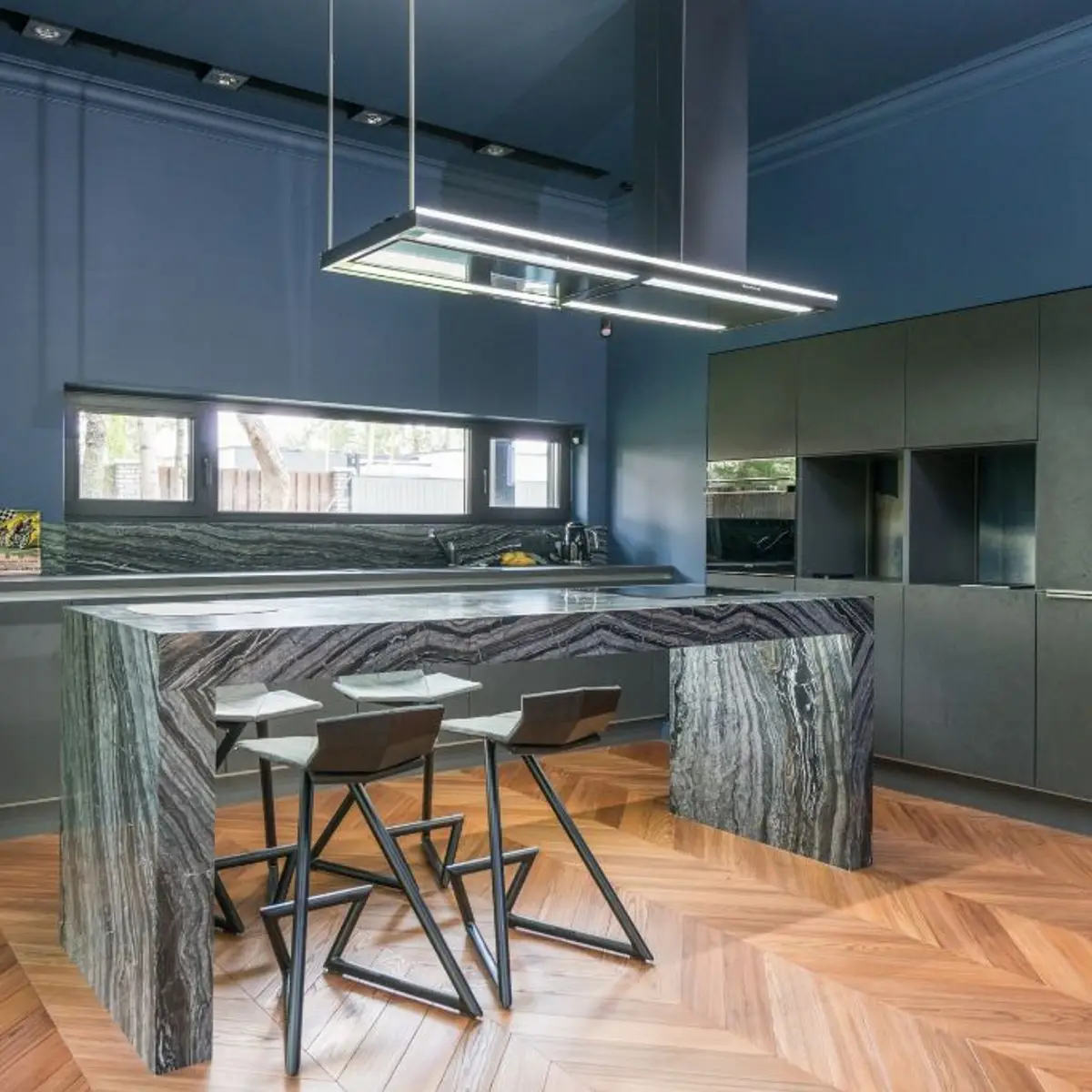
Walk into almost any newly renovated Indian kitchen and it looks fantastic for the first few months. Glossy cabinets, a sleek chimney, clean lines. Then, somewhere around the one-year mark, the cracks start showing literally and functionally. The glossy finish is covered in fingerprint smudges and grease film. The chimney barely catches the smoke from the tadka pan. The drawers are too shallow for the steel utensils that actually live in an Indian kitchen.
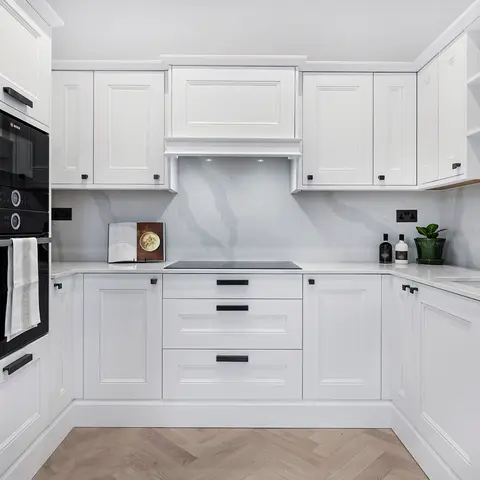
None of this is a design problem in the aesthetic sense. It's a planning problem and it happens because most modular kitchens are designed around how kitchens look in catalogues, not around how Indian households actually cook.
Here are the five mistakes behind almost every kitchen that stops working within a year.
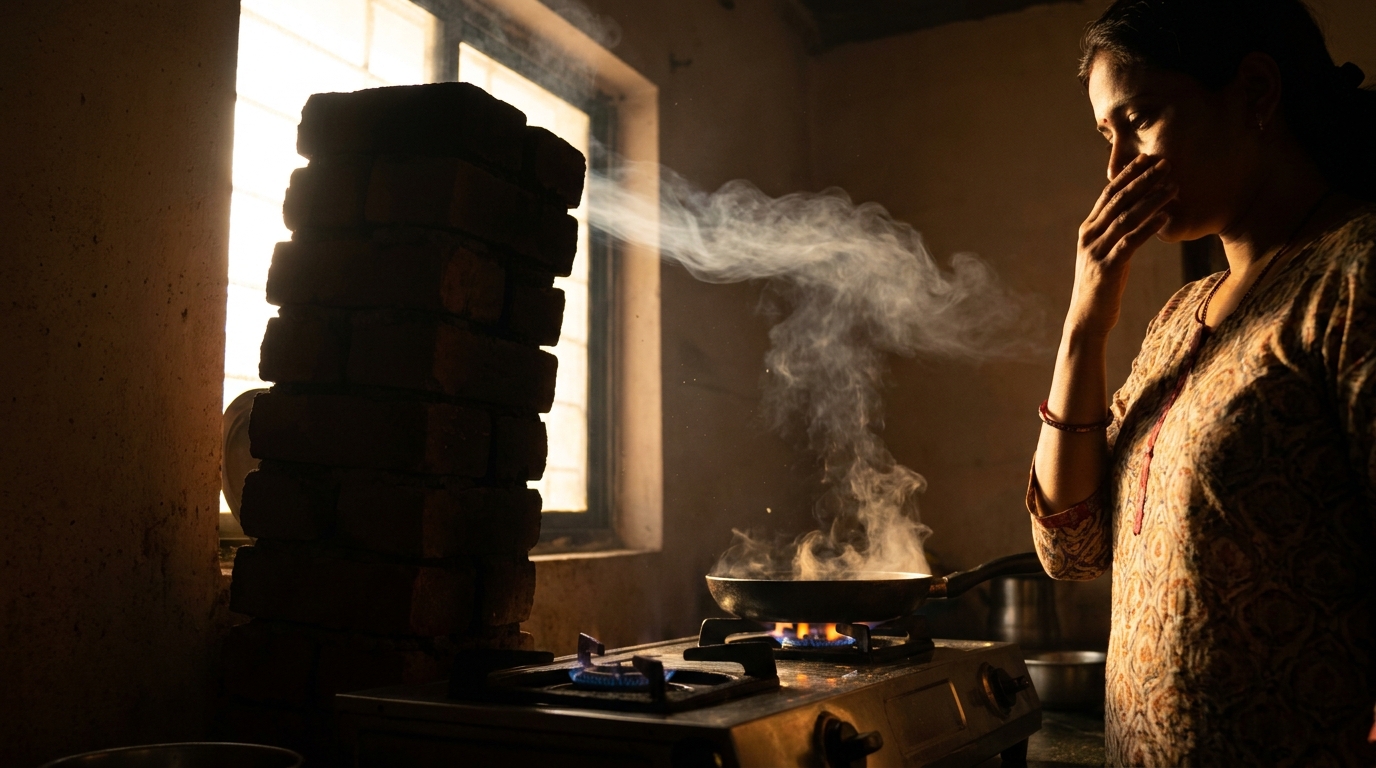
The Chimney Gets an Afterthought, Not a Plan
In most renovations, the hob position gets finalized first, and the chimney gets fitted to wherever it ends up rather than the other way around. The result is a chimney that's slightly too far from the hob, or mounted at a height that doesn't actually capture rising smoke and oil particles effectively.
Indian cooking generates significantly more airborne grease and smoke than the cooking styles modular kitchen catalogues are often designed around think tadka, deep frying, and high-heat tempering, multiple times a day. A chimney needs to be planned around the hob's exact position and the household's actual cooking style, not installed as a standard-size box above wherever the hob happened to land.
The fix: Decide hob position and chimney specification together, before cabinetry is finalized not after.

Glossy Finishes in the Highest-Grease Zone in the House
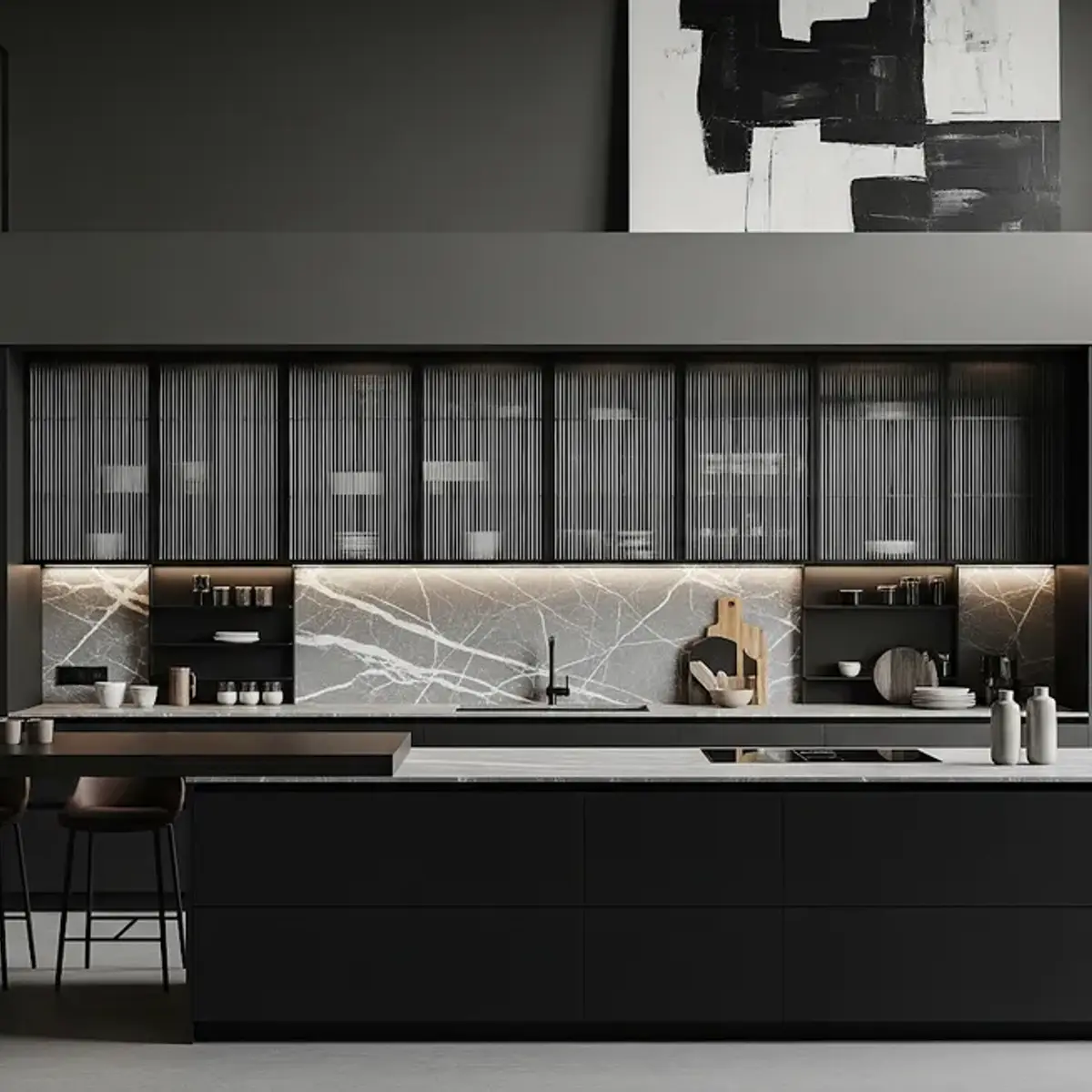
Glossy cabinet finishes photograph beautifully. They also show every fingerprint, water spot, and grease smear far more visibly than a matte finish does and the kitchen is, by a wide margin, the highest-grease, highest-touch zone in any Indian home.
This is a classic case of a finish that makes sense in a showroom and stops making sense within weeks of daily cooking. The smudges aren't a maintenance failure on the homeowner's part they're a predictable outcome of choosing a reflective finish for a room that gets touched with oily hands multiple times a day. The fix: Matte or textured finishes in the cooking zone specifically gloss can still work in lower-touch, lower-grease areas like a dining-facing island front.
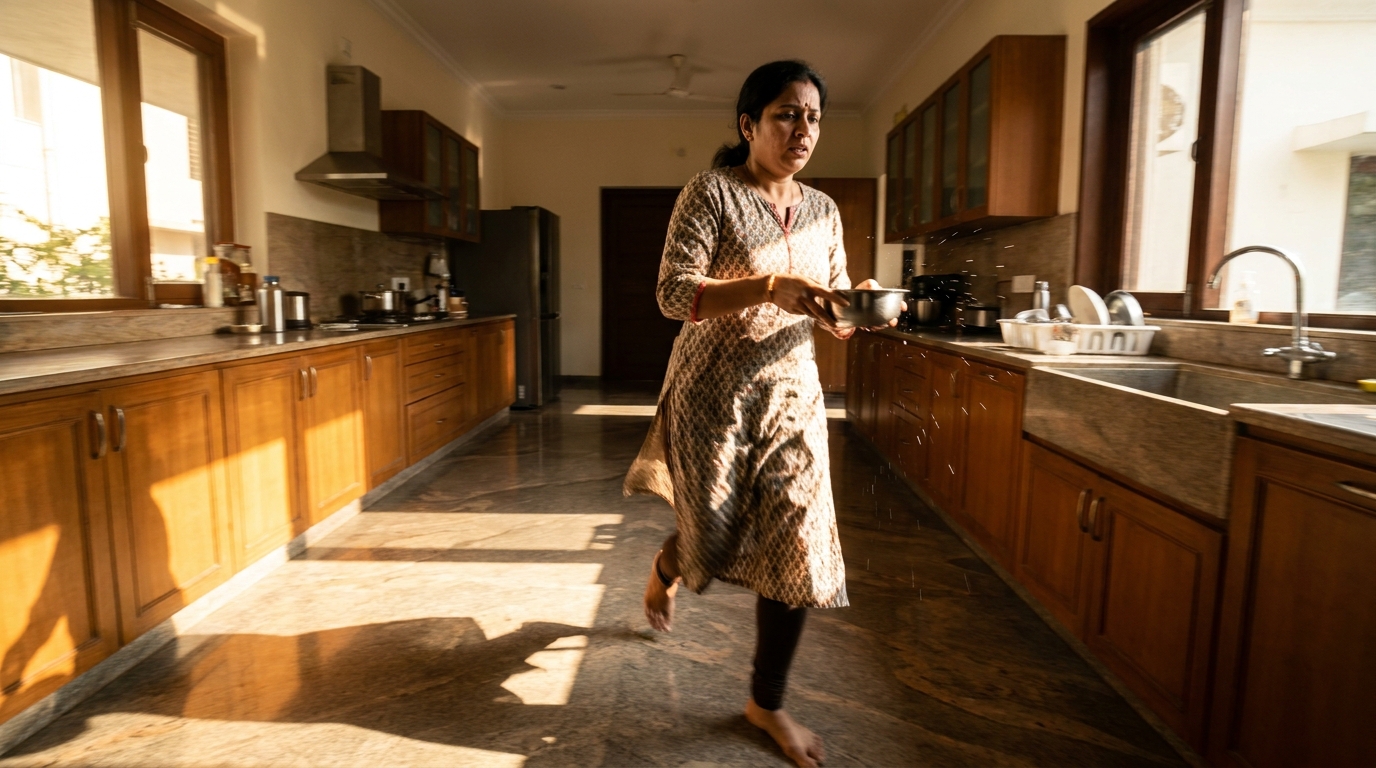
Designing the Layout Without the Indian Cooking Flow
Most modular kitchen layouts are based on a generic "work triangle" between the sink, stove, and refrigerator a concept that originated in Western kitchen design decades ago. It doesn't fully account for how Indian cooking actually moves: prepping vegetables, washing them, tempering spices, transferring between multiple pots simultaneously, and constant back-and-forth to a masala station.
A layout that ignores this flow ends up with a counter that's beautiful but inconvenient the prep zone too far from the wash basin, or the spice storage on the opposite side of the hob from where it's actually needed mid-cook.
The fix: Map out the actual sequence of a typical cooking session in the household before finalizing counter and storage placement not just the sink-stove-fridge triangle.
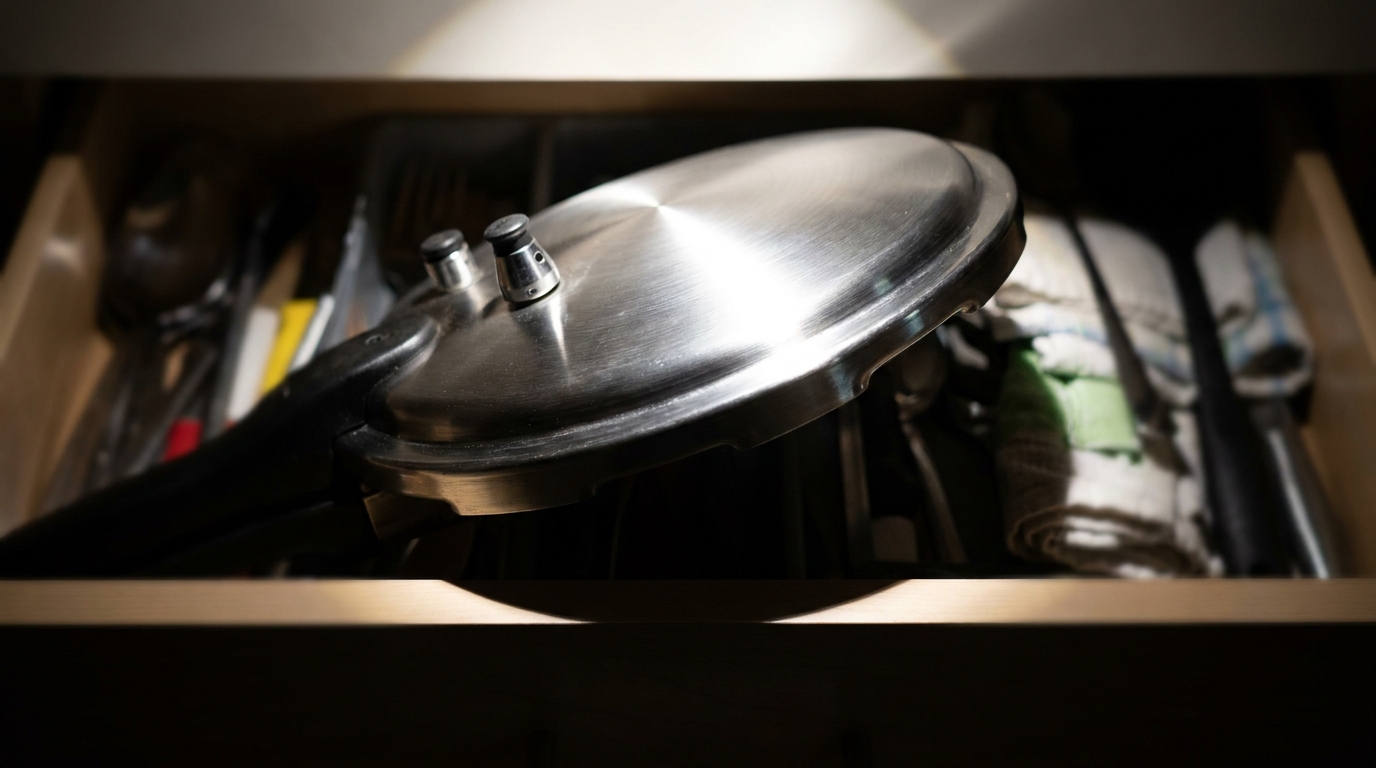
Shallow Drawers in a Kitchen Full of Deep Steel Vessels
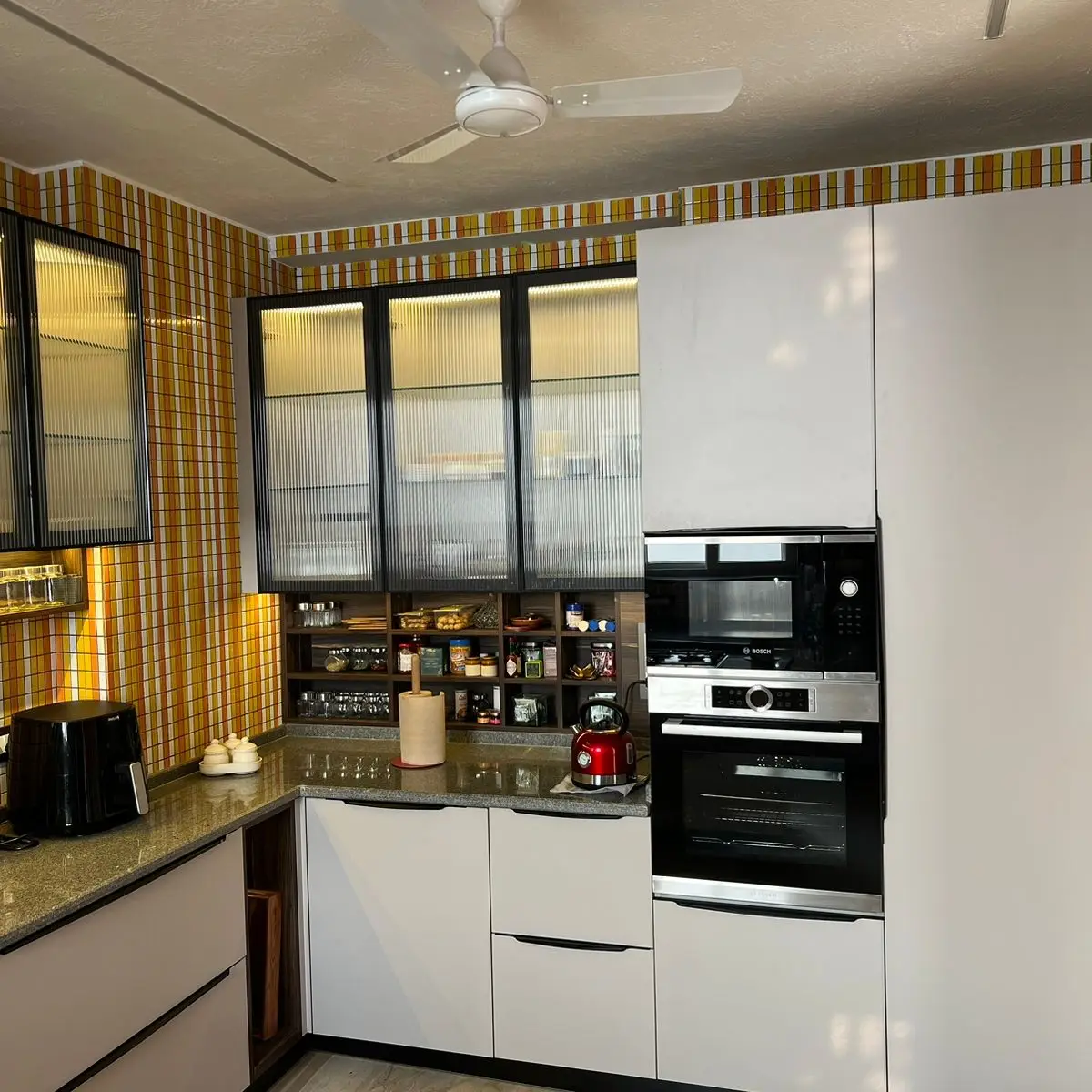
Catalogue kitchens are often photographed with minimal, curated cookware a few ceramic bowls, maybe one cast-iron pan. Real Indian kitchens store stacks of steel vessels, large pressure cookers, multiple sizes of kadhai and tope, and a serious collection of masala containers.
Shallow drawer systems, while sleek-looking, simply don't have the depth to store this kind of cookware efficiently. The result is a kitchen with beautiful drawers that still ends up with a separate steel rack or open shelf doing the actual heavy lifting undermining the clean look the drawers were supposed to deliver in the first place.
The fix: Plan drawer and shelf depth around an honest inventory of what the household actually owns and cooks with not a generic drawer specification sheet.

Underestimating Window and Ventilation Placement
Even with a chimney installed correctly, a kitchen with poor natural ventilation a small or poorly placed window, no cross-flow of air traps residual heat and odor far longer than it should, especially in smaller Indian kitchens where the cooking zone and the rest of the home are close together.
This is often overlooked because chimneys are treated as a complete ventilation solution on their own, when in reality, they handle direct smoke extraction, not the general heat and humidity buildup that comes from hours of daily cooking.
The fix: Window placement and the kitchen's natural airflow path should be considered alongside chimney specification, not treated as a separate, lower-priority decision.
The Common Thread
Every one of these five mistakes comes from the same root cause: designing a kitchen around how it will look in the first photograph, rather than how it will function in daily use by an actual Indian household. The fixes aren't expensive or dramatic they're sequencing and planning decisions that need to happen before cabinetry, finishes, and fittings are finalized.
Want a real estimate for your home?
Share your home in 2 minutes. We'll match you with verified designers in your city and give you a BOQ-level estimate before any work begins.
Share your home →