15 Childproofing Mistakes Parents Make When Designing a Home
The safety details that get missed during design and decoration — not just in the kids' room, but across the whole house
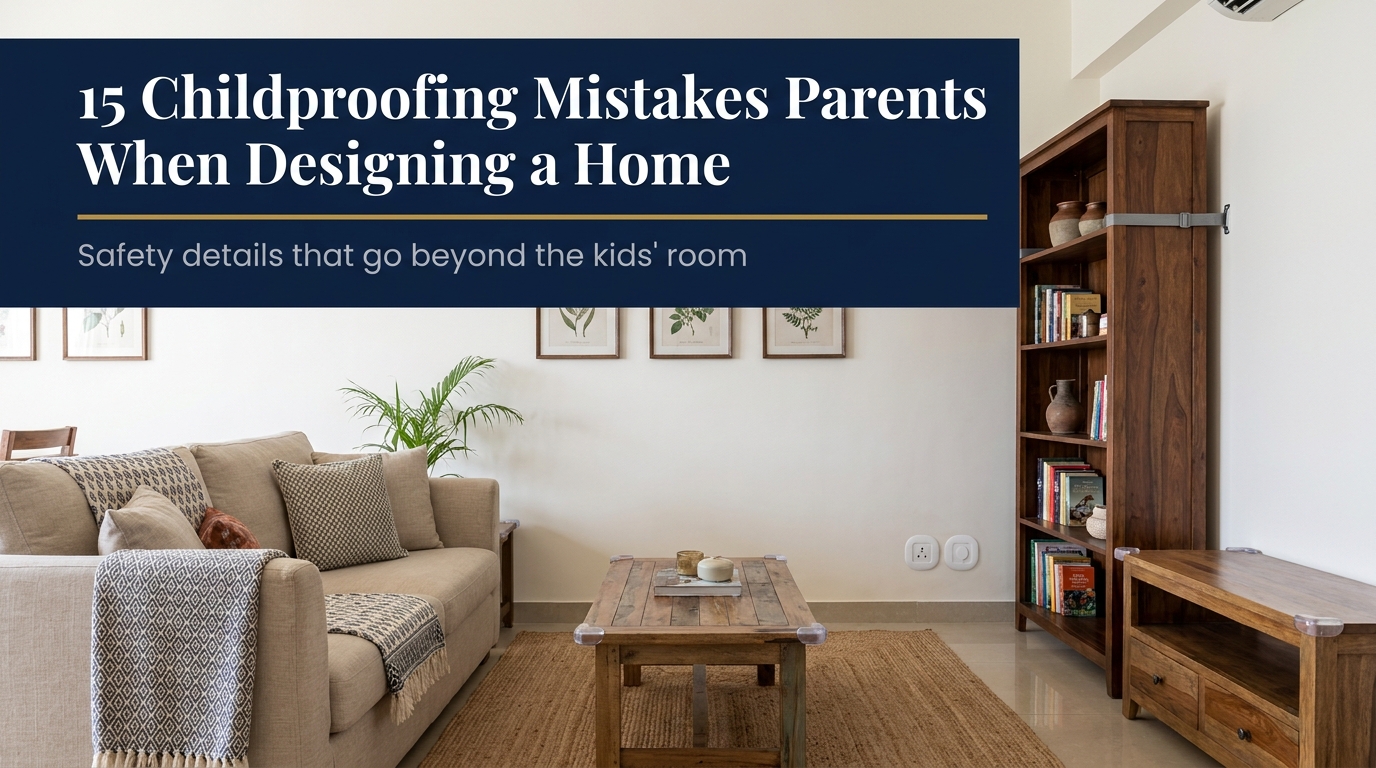
Childproofing tends to happen backwards in most homes — the design and furnishing happens first, based on how a space should look, and safety gets addressed afterward as a separate, bolted-on pass once a child is already crawling or walking. Outlet covers get added, a gate goes up at the stairs, and everyone assumes that's the job done. But a lot of the more serious risks in a home aren't things you can cover or gate after the fact — they're built into furniture choices, material choices, and layout decisions made during the design stage itself, long before anyone was thinking about a child using the space. These 15 details are worth considering while a home is being designed and furnished, not just retrofitted once there's a toddler in the house.
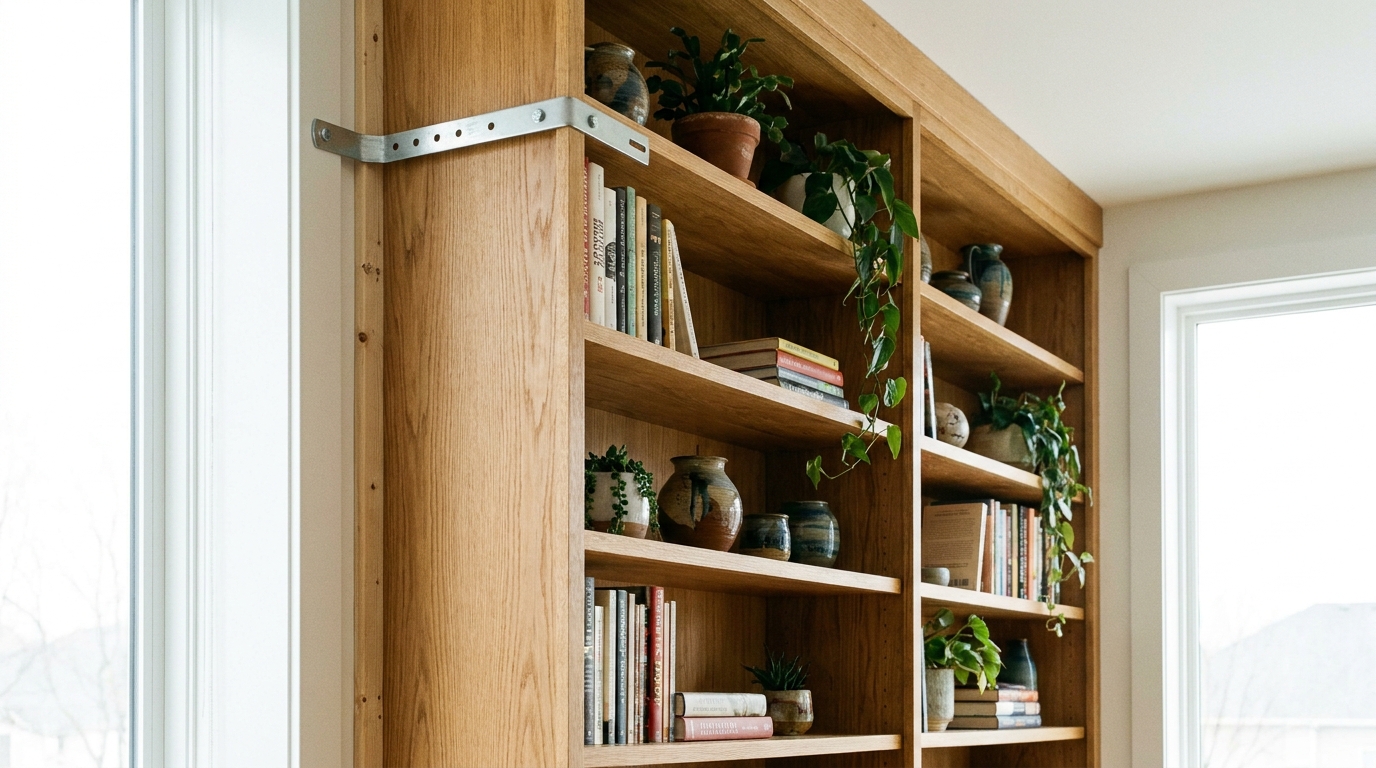
Unsecured Tall Furniture and Tip-Over Risk
Bookshelves, wardrobes, and chests of drawers taller than they are wide are genuinely dangerous when unsecured, since a child pulling open a drawer to climb, or simply leaning against a tall piece, can bring hundreds of kilograms of furniture down in seconds. This is consistently one of the most serious, and most preventable, home safety risks for young children, and it's rarely considered at the furniture-buying stage, only after an incident or a close call.
Anti-tip straps or L-brackets that anchor furniture to the wall studs behind it cost very little and take minutes to install, and they should be treated as a non-negotiable part of buying any tall furniture piece for a home with young children, not an optional extra.
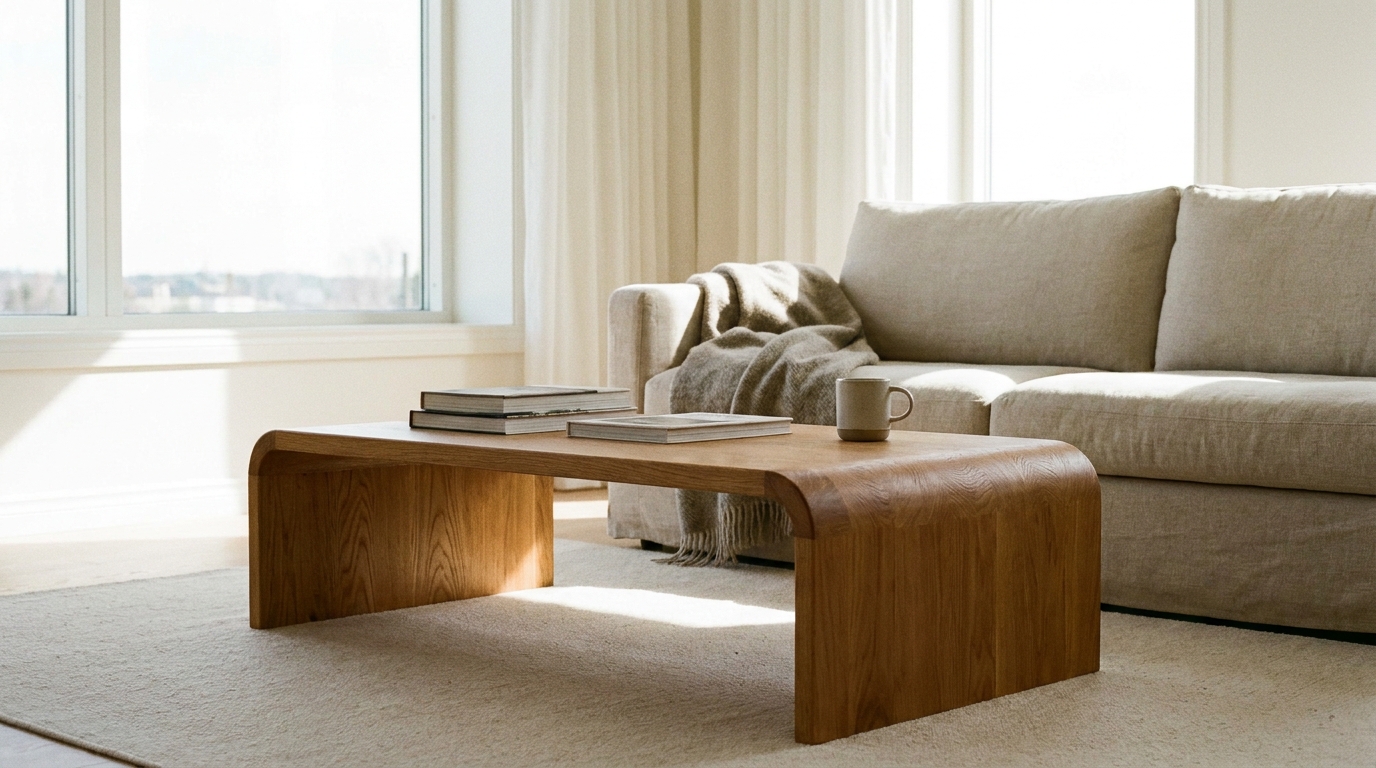
Sharp Furniture Corners at Child Height
Coffee tables, TV console edges, and low sideboards are almost always positioned at exactly the height a toddler's head or face would hit if they fell or ran into them, and sharp 90-degree corners on these pieces are a common source of injury during a home's early years with a young child, well before it becomes an obvious concern to the adults living there.
Furniture with rounded or bullnose-profile corners avoids this risk structurally, and for existing sharp-cornered furniture, adhesive corner guards or edge cushioning strips retrofit the same protection without needing to replace the piece entirely.
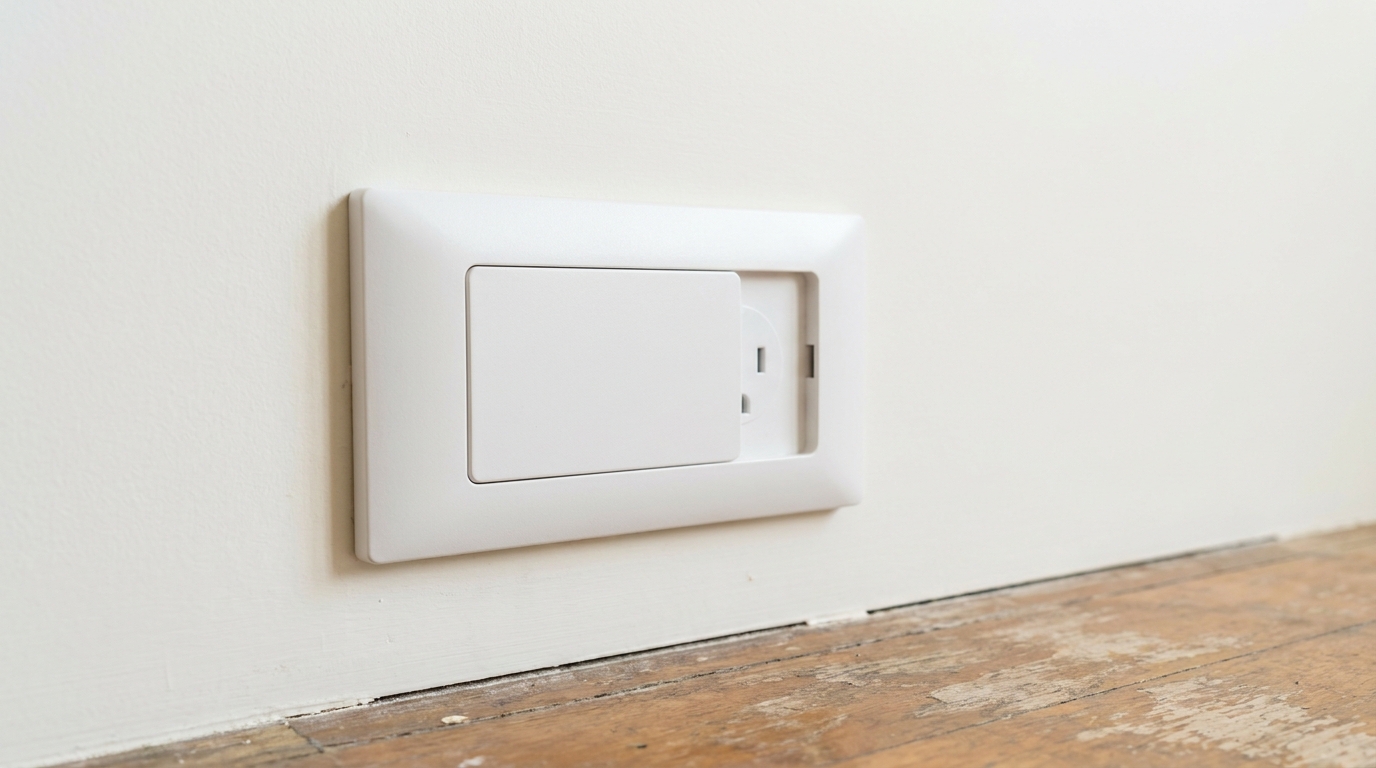
Uncovered Electrical Outlets Within Reach
Standard wall outlets positioned at typical low height are directly at a crawling or toddling child's eye and hand level, and curiosity about the small holes in a socket is a near-universal phase for young children, making uncovered outlets one of the most common and most easily prevented hazards in any home with a mobile toddler.
Sliding-plate outlet covers, which automatically close over the socket when nothing's plugged in, offer more reliable protection than simple plug-in outlet caps, since caps are small enough to be removed by a child and become a choking hazard themselves.
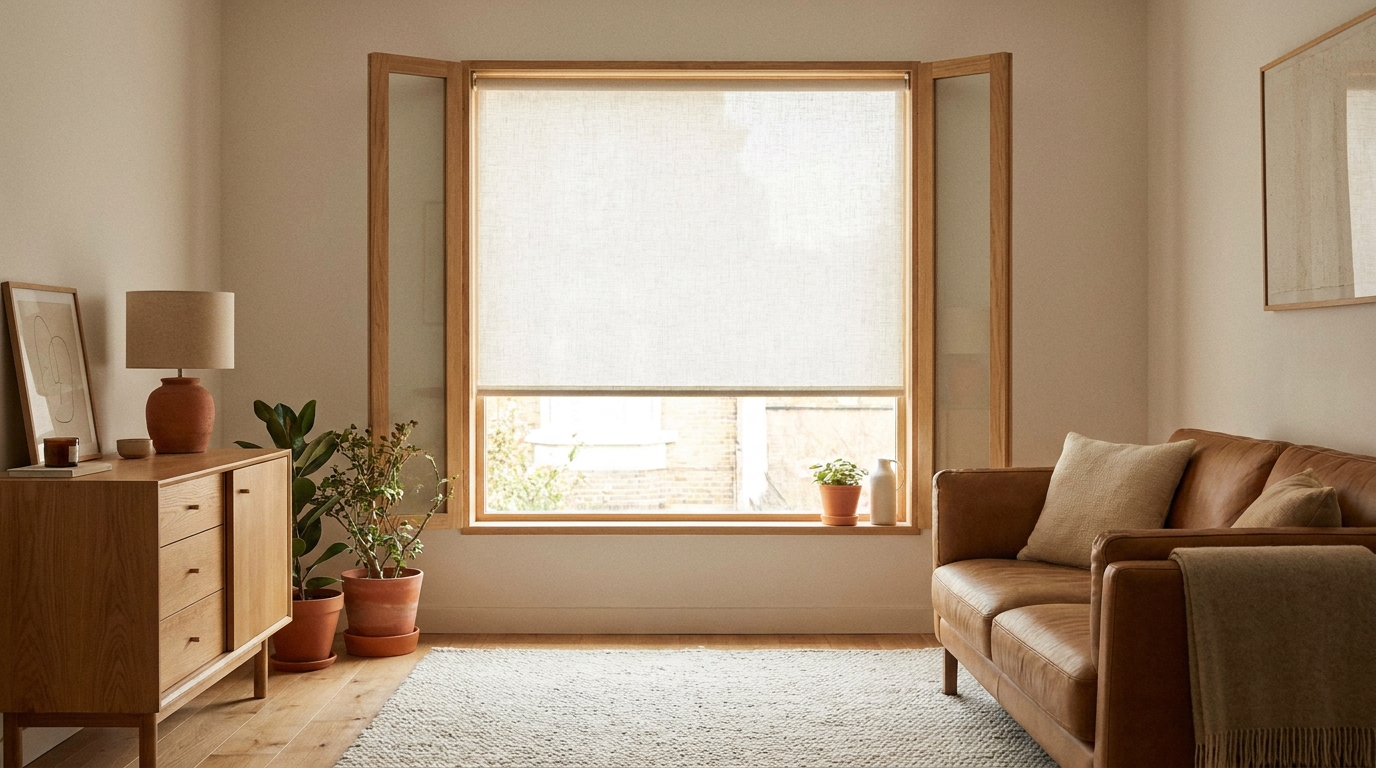
Looped Blind and Curtain Cords
Corded blinds with a looped pull-cord present a genuine strangulation risk for young children, particularly when the cord hangs low enough to be within reach of a crib, cot, or play area, and this remains one of the most under-recognised hazards in home design, since blinds and curtains are chosen almost entirely for light control and appearance rather than cord safety.
Cordless blinds, or corded blinds fitted with a cord cleat that wraps and secures the cord well out of reach, both remove this risk — and it's worth checking cord length and reach specifically in any room where a child sleeps or plays regularly, not just the nursery.
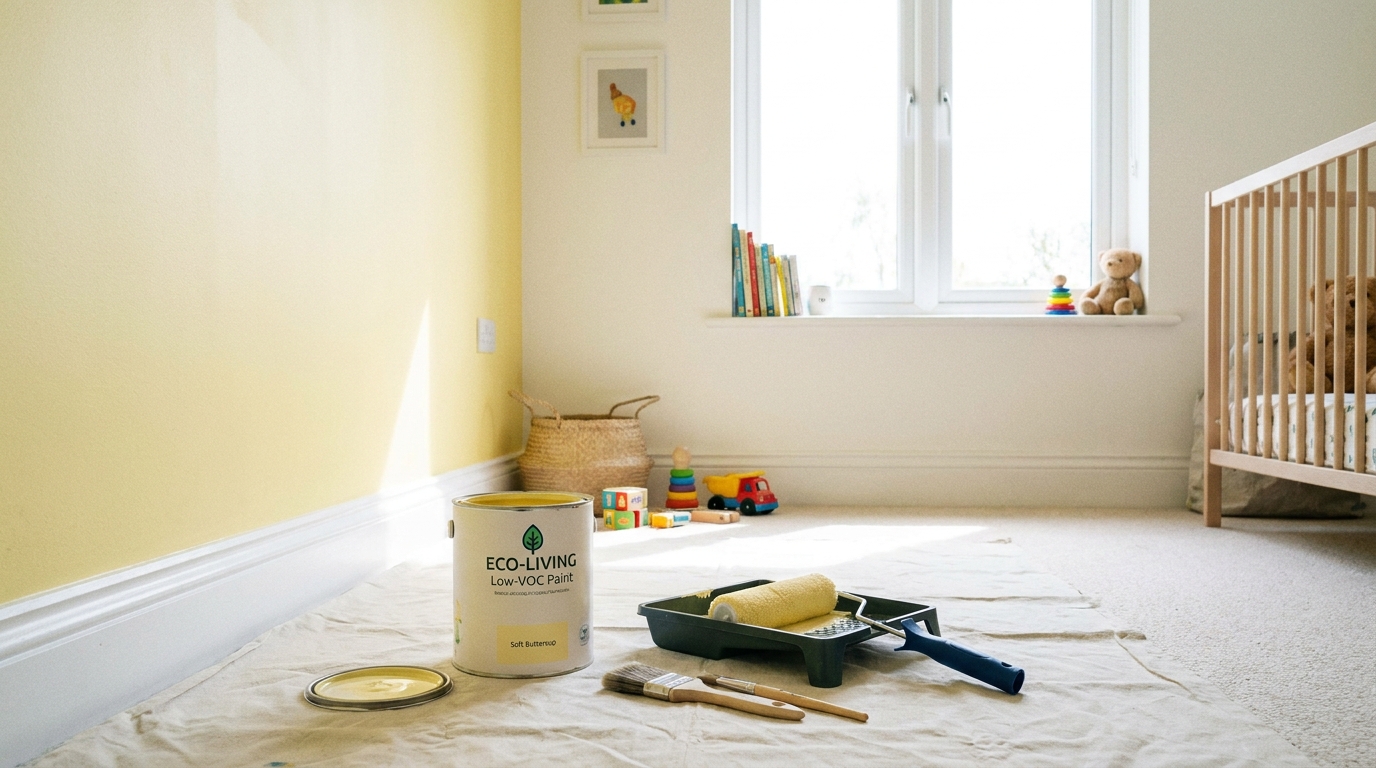
High-VOC Paint and Finishes in Kids' Spaces
Standard paints and some furniture finishes release volatile organic compounds (VOCs) into the air for weeks or months after application, and young children — who breathe faster relative to their body size and spend more time close to floors and freshly painted walls — are more affected by this than adults typically realise. It's rarely a consideration during the actual paint or finish selection process, which is usually driven entirely by colour and cost.
Low-VOC or zero-VOC paint options are now widely available at a modest price premium over standard paint, and choosing them for a child's bedroom or play area specifically is a straightforward swap that doesn't affect colour choice or finish quality at all.
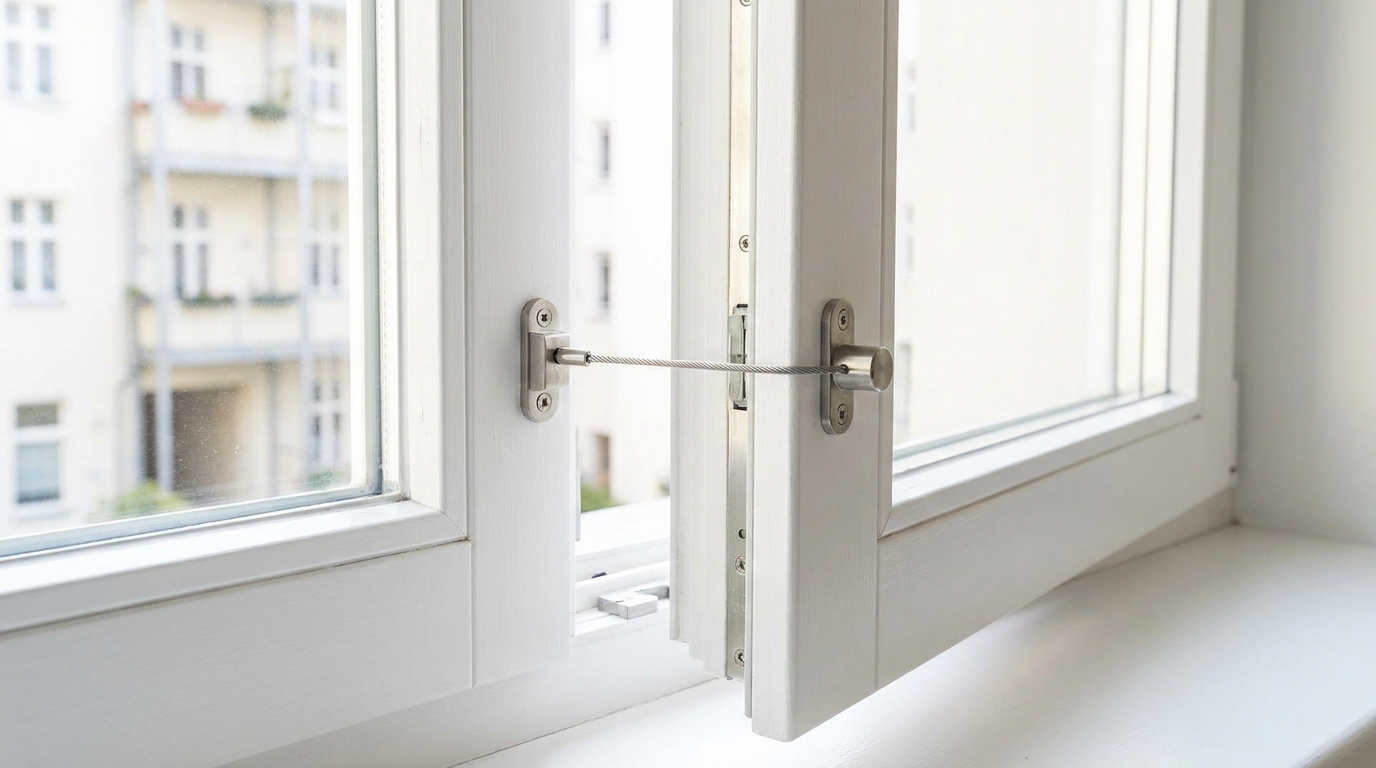
Windows Without Safety Locks or Guards
Windows above ground level, especially in multi-storey homes and apartments, are a genuine fall risk for young children if left without a restrictor, safety lock, or guard, and this is a hazard that's easy to overlook specifically because it's not something that comes up until a child is old enough to climb onto furniture near a window, by which point the window itself has usually been finalised for years.
A window restrictor, which limits how far a window can open without a key or specific release mechanism, or a fitted window guard for larger openings, addresses this directly, and it's worth checking every window in rooms a child has access to, not just the nursery.
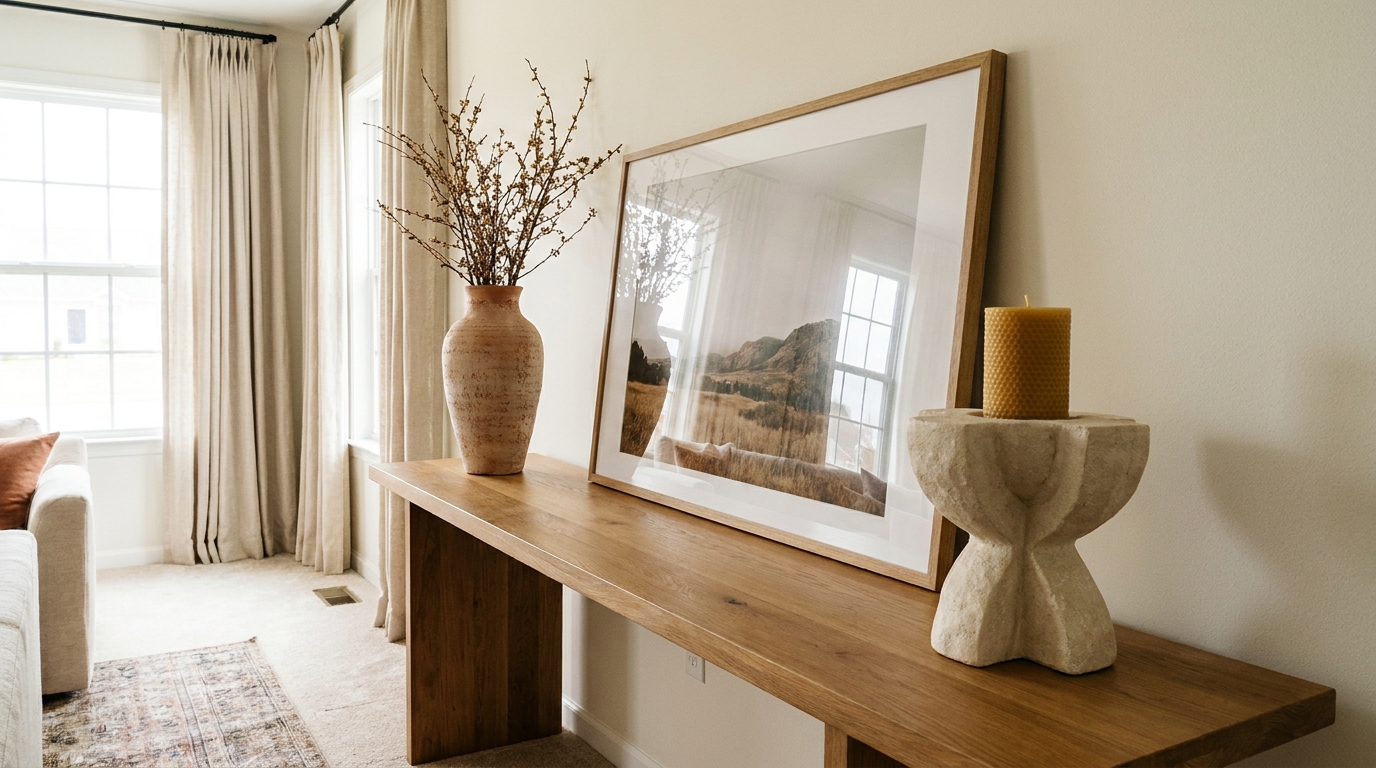
Small Decorative Items Left Within Reach
Decorative bowls of small stones, marbles, small figurines, and other tabletop decor items are a common choking hazard that's almost never considered during the actual styling and decorating process, since these items are selected purely for how a shelf or console table looks finished and complete.
The practical fix isn't removing all decor from a home with young children — it's keeping genuinely small items (anything that could fit through a standard toilet paper roll, a commonly used choking-hazard size test) on higher shelves or in rooms a child doesn't have regular unsupervised access to, while keeping larger decor pieces at more accessible heights.
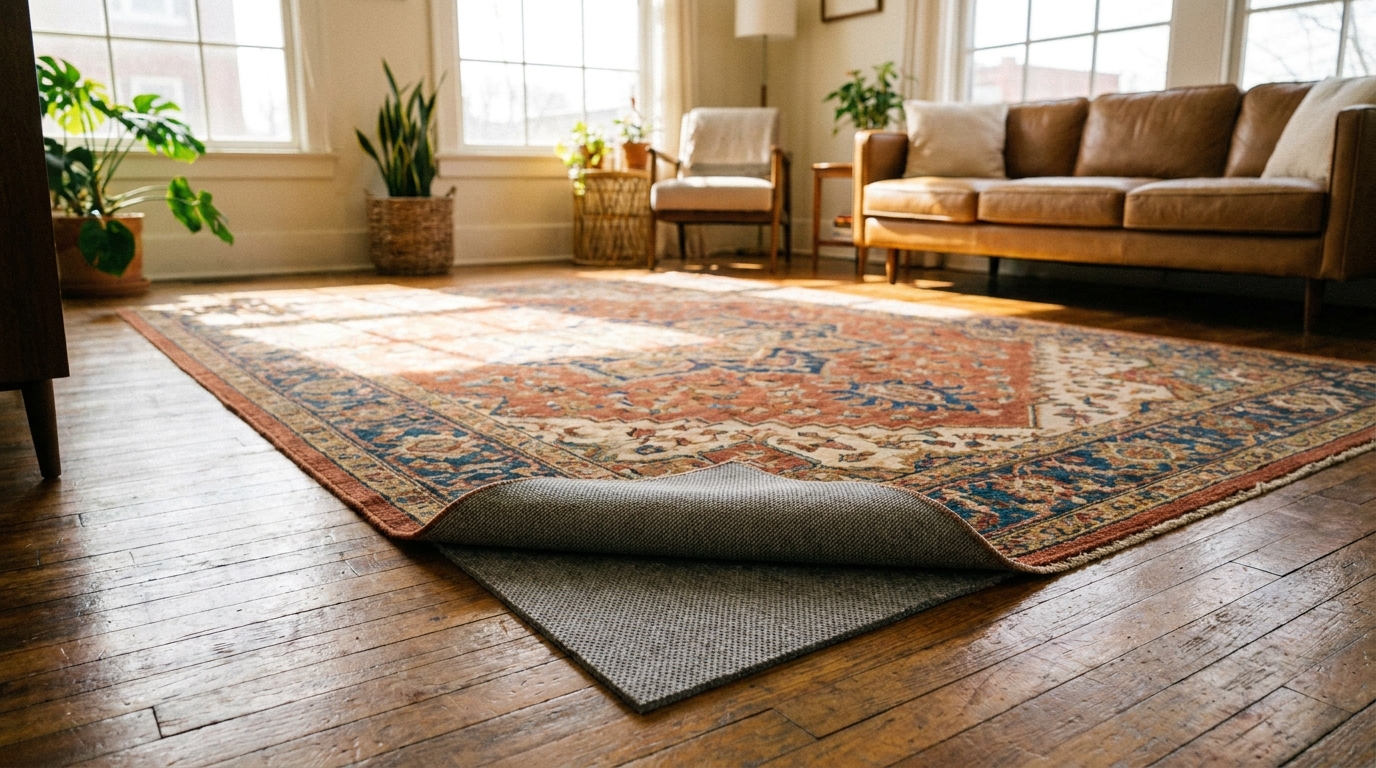
Rugs Without Non-Slip Backing
Decorative rugs, especially on hard flooring like tile, marble, or wood, are a common slip and fall hazard for children who are just learning to walk and run, since a rug without proper backing can shift or bunch underfoot with very little force. This is rarely factored into rug selection, which tends to focus entirely on pattern and size relative to the furniture arrangement.
A non-slip rug pad underneath any decorative rug, sized to match the rug's dimensions rather than a generic smaller pad, keeps the rug fully anchored to the floor beneath it and removes the shifting hazard without changing how the rug looks at all.
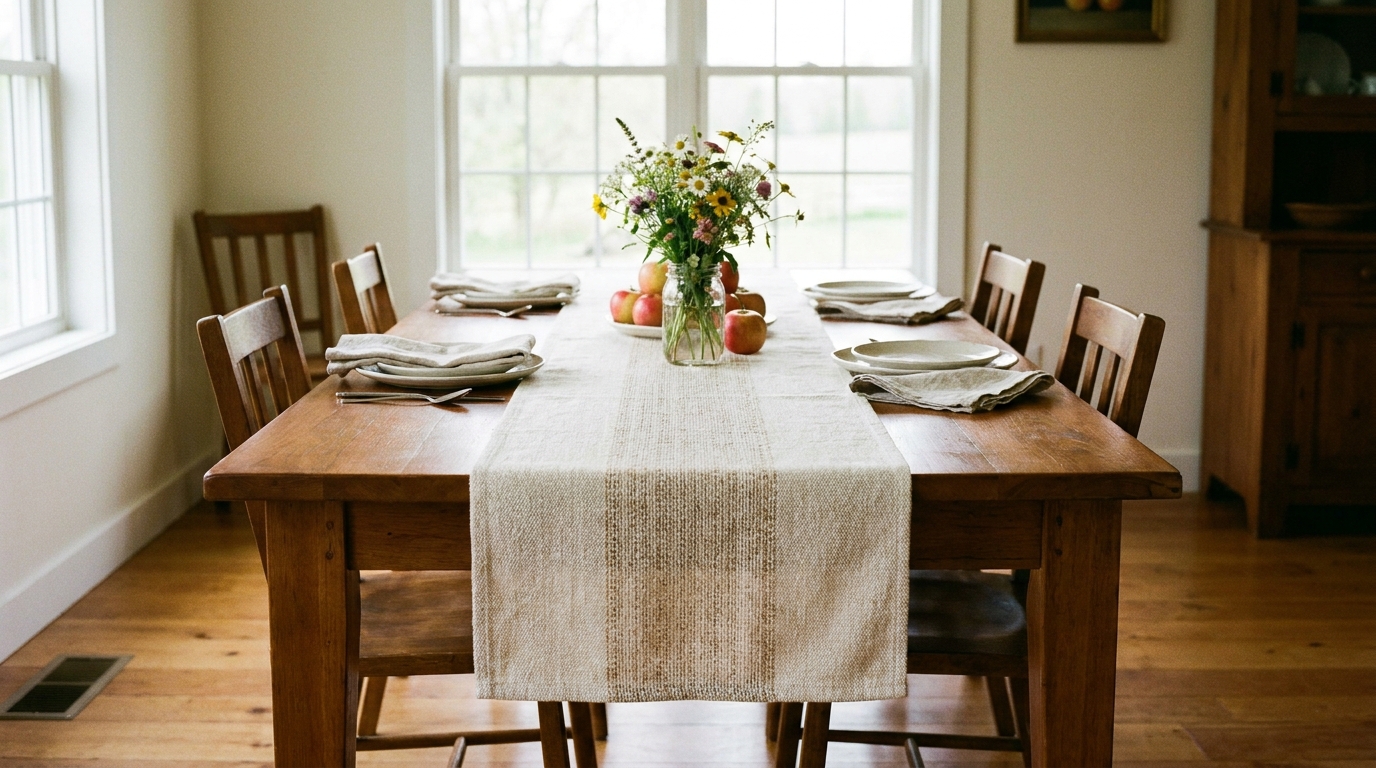
Long Tablecloths Within Pulling Reach
A tablecloth that hangs low enough to be grabbed by a standing or cruising toddler is a genuine hazard, since pulling on the fabric can bring everything on the table down at once — hot food, glassware, or heavy centrepieces included. It's a classic and well-documented risk, but tablecloth length is still chosen almost entirely for how formal or finished a dining table looks, with pulling risk rarely factored in.
A shorter tablecloth that doesn't extend past the table edge, or a table runner instead of a full cloth, removes the grab-and-pull risk entirely while still allowing for a styled, finished table setting.
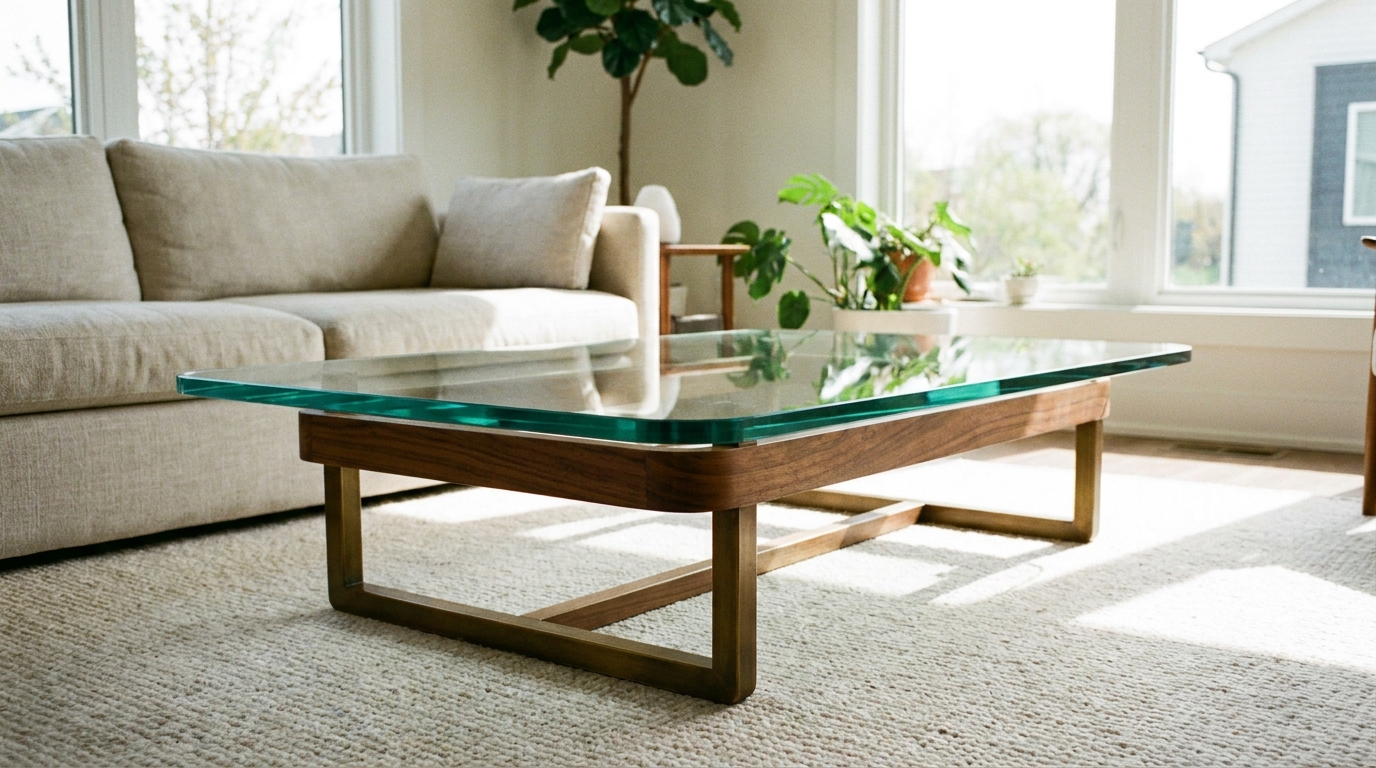
Low Glass-Top Furniture
Glass-top coffee tables and low glass side tables are a genuine risk in homes with young children — not just from sharp edges, but from the possibility of the glass cracking or shattering under impact from a fall or a thrown object, which standard furniture glass isn't always rated to withstand safely.
Tempered, safety-rated glass, which is specifically designed to break into small, less dangerous fragments rather than sharp shards if it does fail, is worth confirming specifically when buying any glass furniture for a home with young children — it's not always the default on lower-cost furniture, and it's worth asking directly rather than assuming.
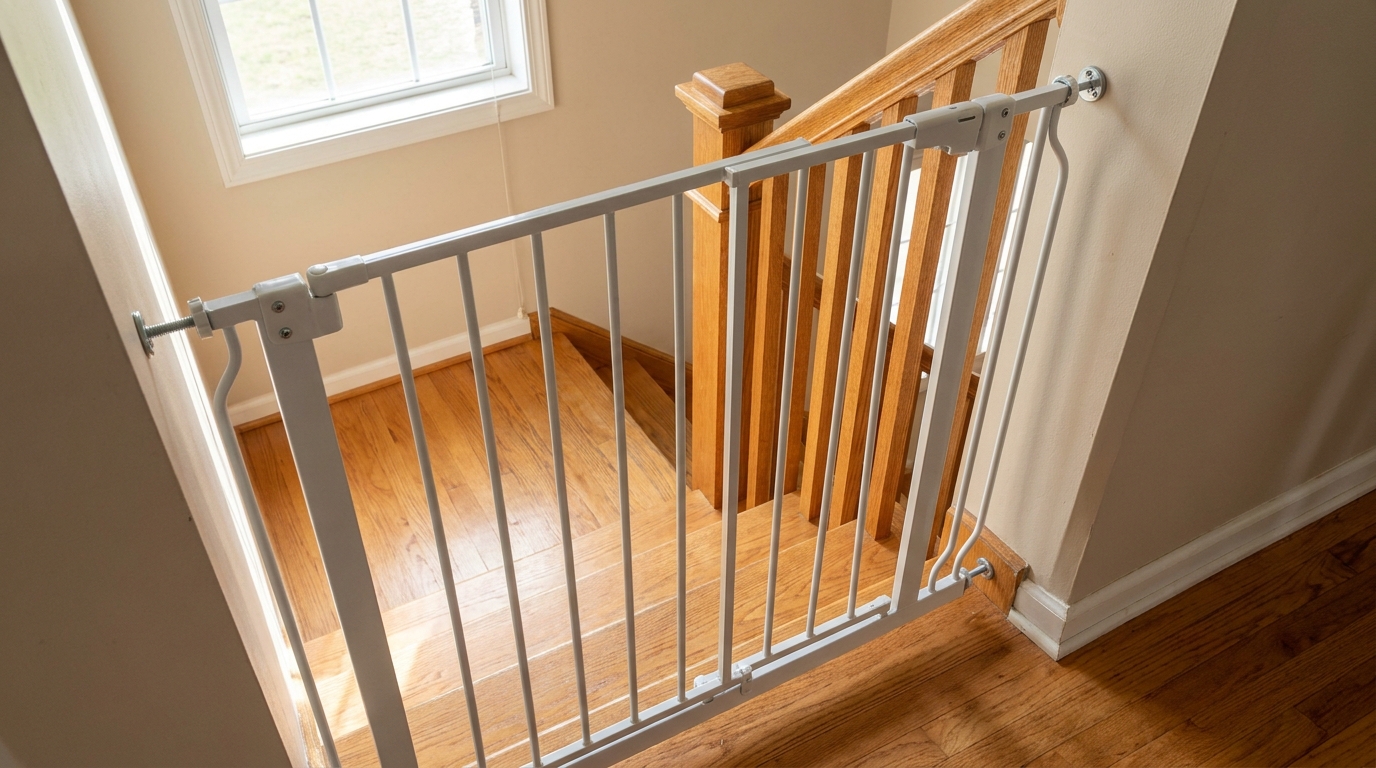
Staircases Without a Properly Fitted Gate
An open staircase without a gate at the top and bottom is one of the more obvious childproofing gaps, but the mistake that actually causes problems is less about whether a gate exists and more about whether it's properly fitted — a pressure-mounted gate that isn't actually rated for the top of a staircase (where a fall would be more serious) versus the bottom is a common and dangerous mix-up.
Hardware-mounted gates, screwed directly into the wall or banister rather than held by pressure alone, are the safer option specifically for the top of any staircase, while pressure-mounted gates are generally considered acceptable at the bottom, where the fall risk is lower.
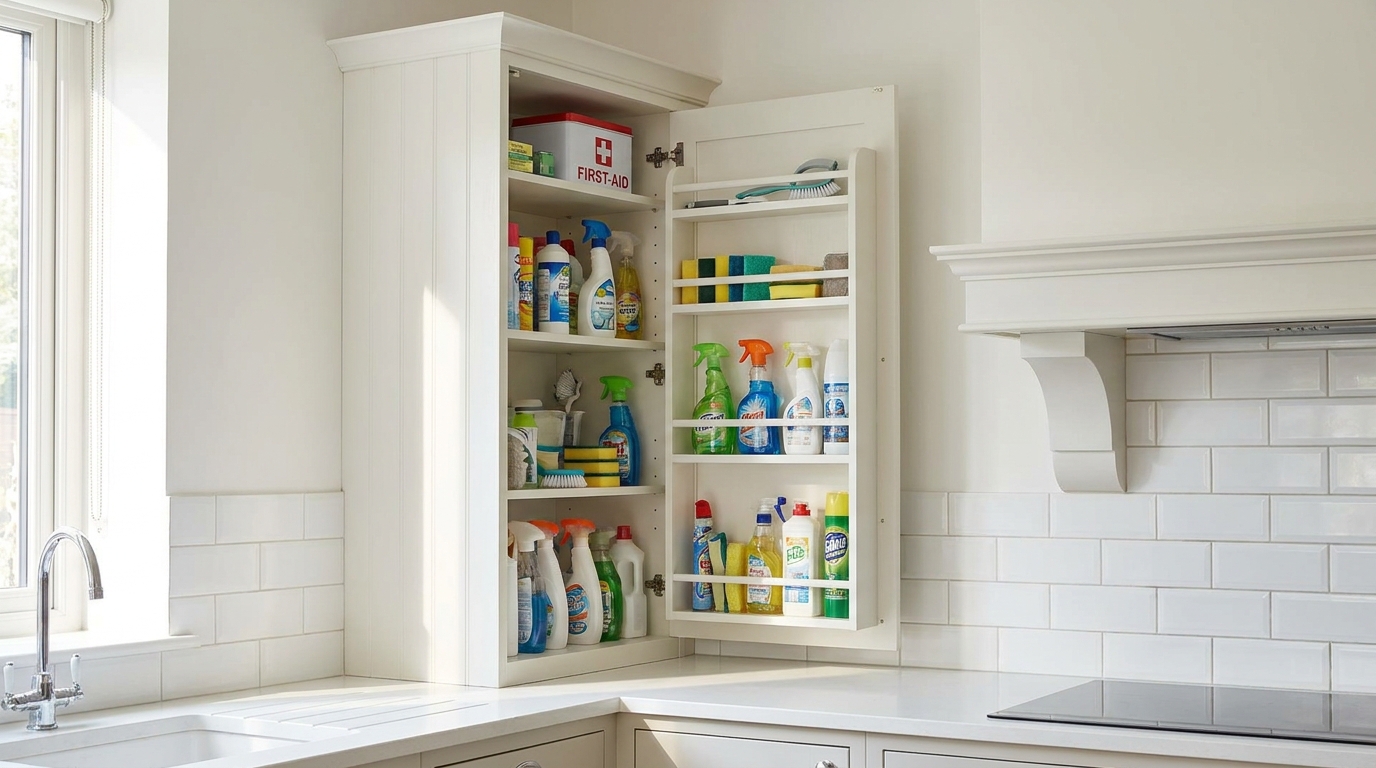
Cleaning Supplies and Medicine Stored at Low Height
Cleaning products and medicine cabinets are frequently stored in easily reachable low cabinets, particularly in kitchens and bathrooms, largely because that's where the plumbing or the most convenient storage space happens to be, with accessibility to a curious toddler rarely factored into the original cabinet layout.
Storing these items in a high cabinet, or a low cabinet fitted with a child safety lock, is a straightforward fix, and it's worth doing this at the point of kitchen or bathroom design rather than retrofitting a lock onto a cabinet that was never meant to hold hazardous items in the first place.
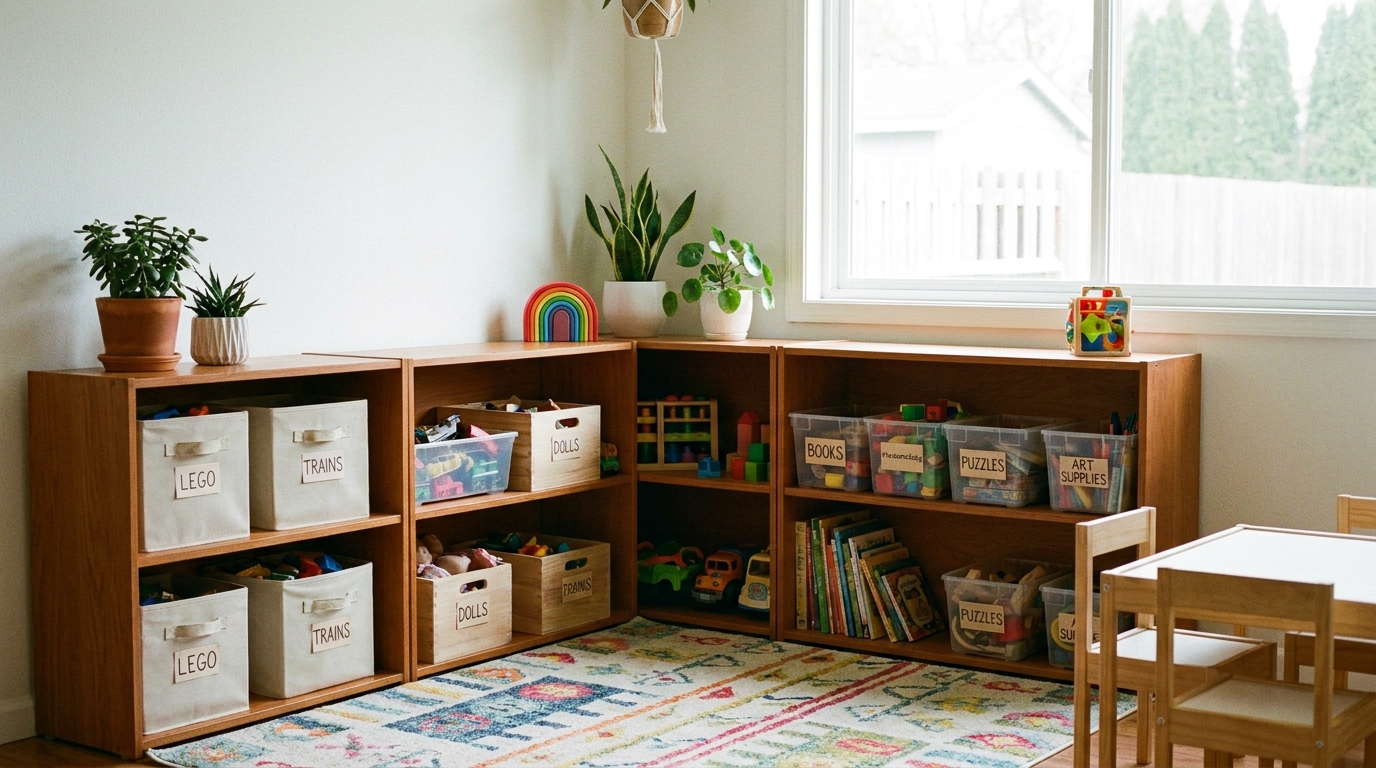
Toy Storage That Invites Floor Clutter
Toy storage that's difficult to access — a deep chest with no organisation, or bins stacked too high for a child to reach independently — tends to result in toys living on the floor permanently rather than being put away, which creates an ongoing trip hazard for both the child and every adult moving through the room.
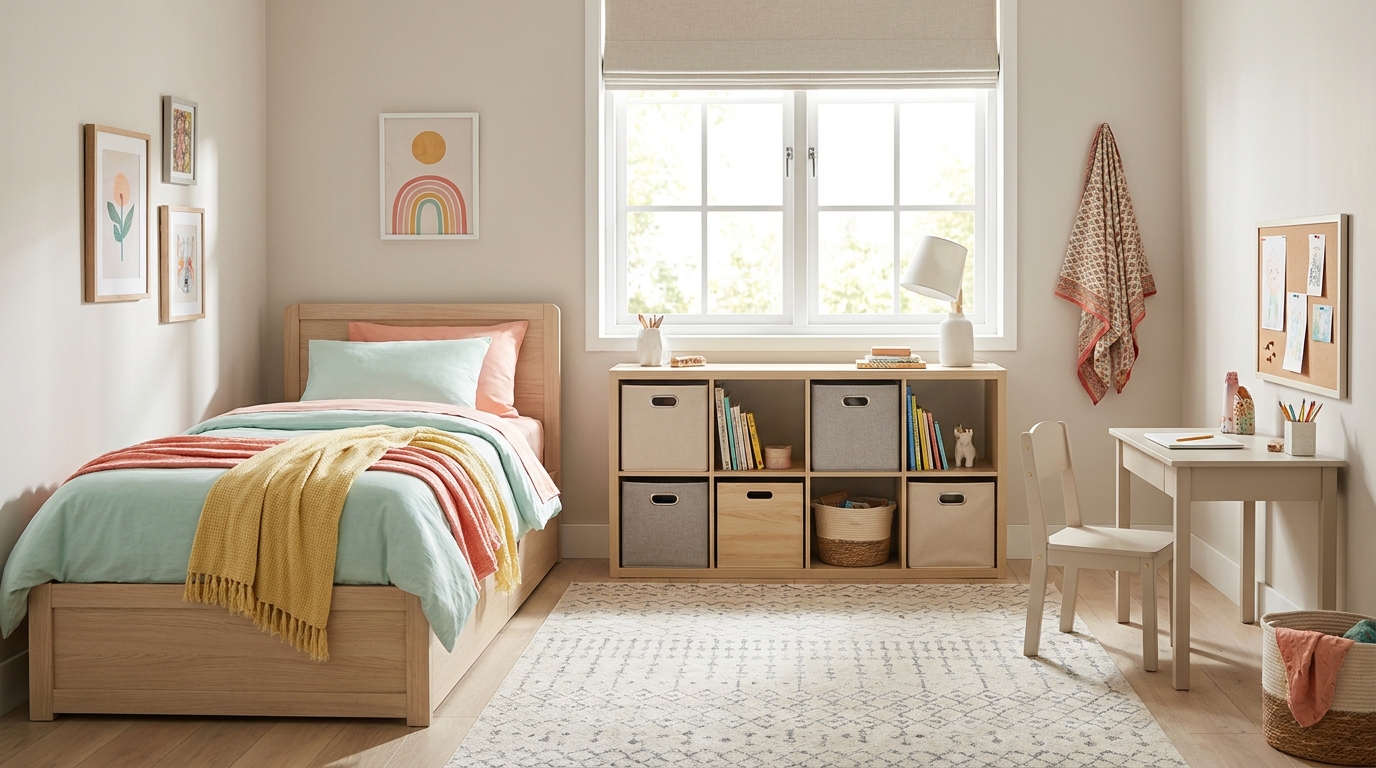
Low, open shelving with clearly visible bins at a child's own height makes it realistic for toys to actually get put back rather than abandoned on the floor, and it's a genuinely practical safety consideration disguised as a storage one — a room where toys have an easy, obvious home is a room with fewer things underfoot.
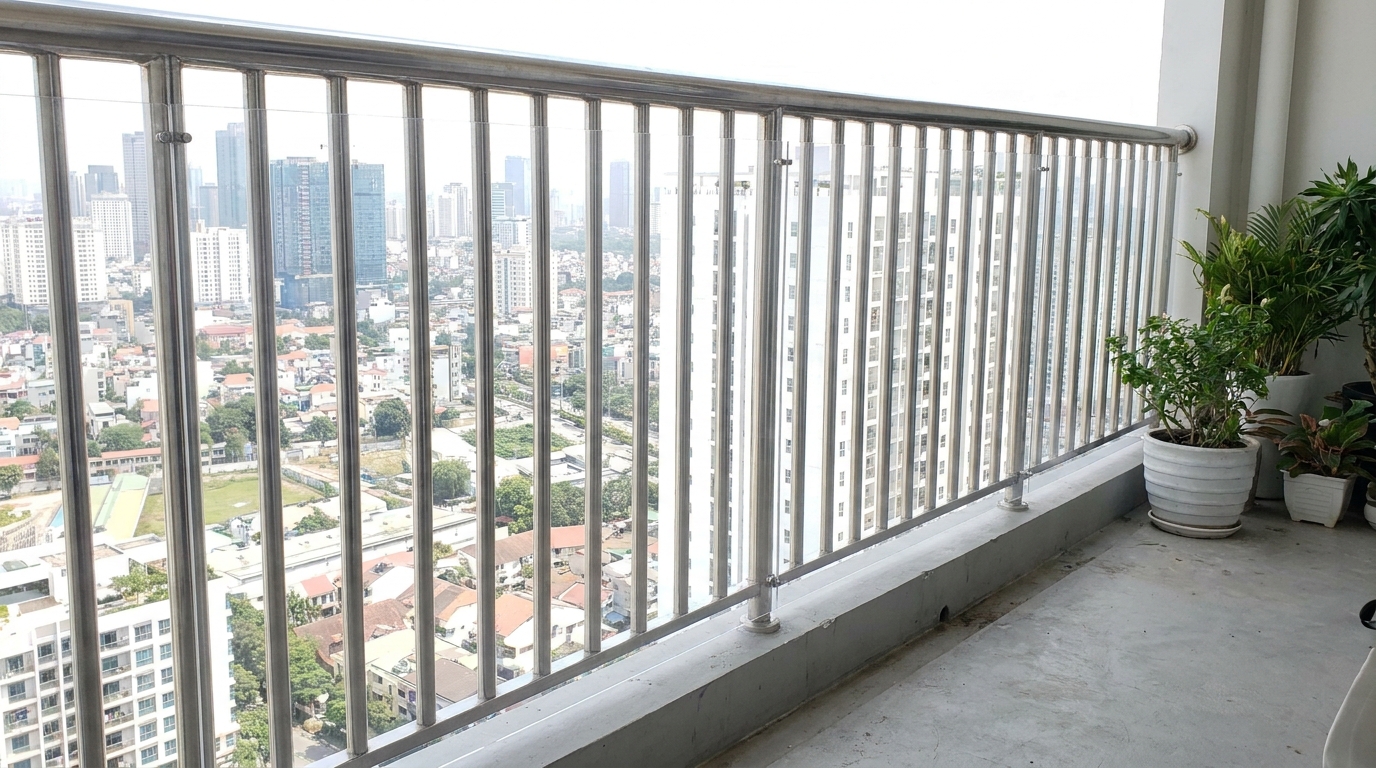
Balcony Railings With Wide Gaps
Older balcony railings, particularly in older apartment buildings, sometimes have gaps between vertical bars wide enough for a small child's head or body to fit through, a risk that's easy to overlook once a family has lived in a home for a while and stopped consciously noticing the railing at all.
A general safety guideline used by many building codes internationally is that gaps between railing bars should be no wider than roughly 10cm — if an existing railing exceeds that, a mesh or acrylic panel fitted along the inside of the railing closes the gap without requiring the railing itself to be replaced.
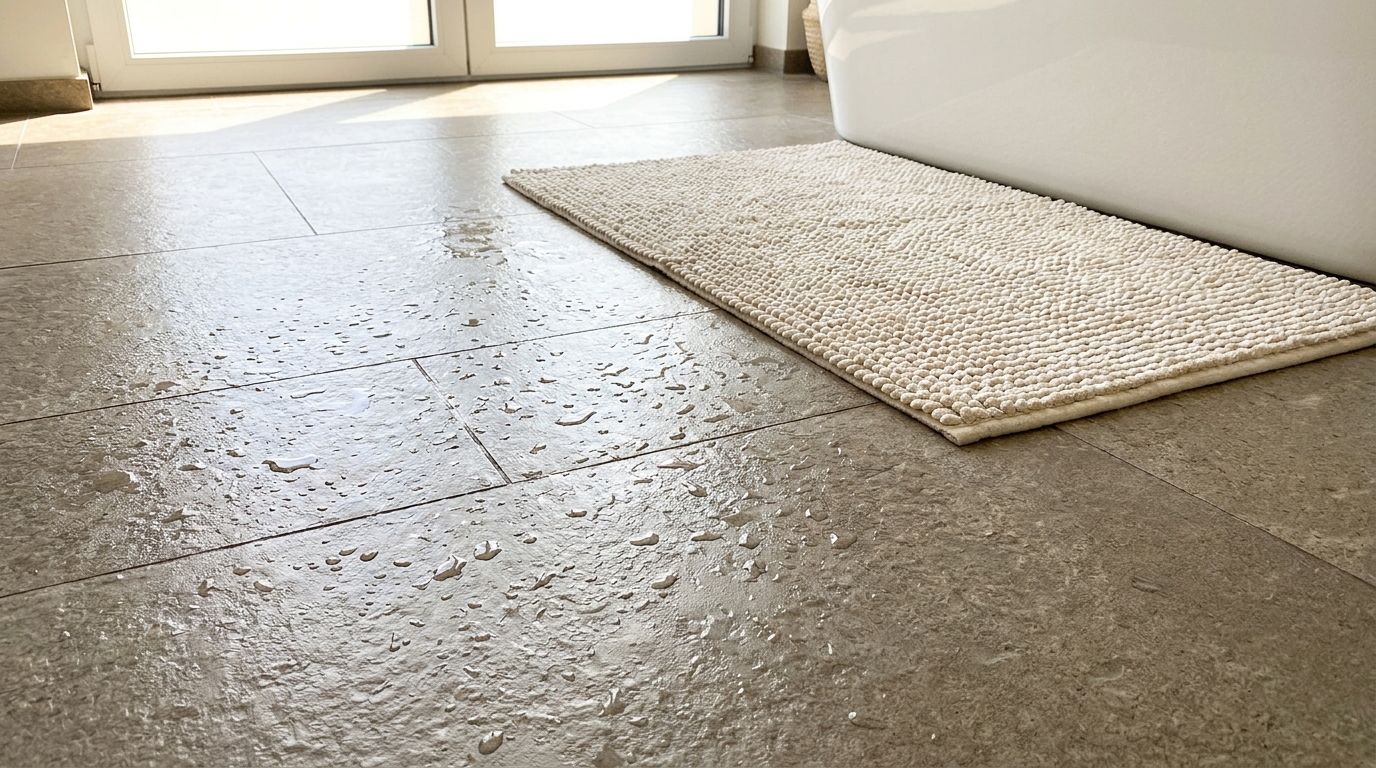
Bathroom Floors Without Slip Resistance
Bathroom flooring is generally chosen for how it looks and how easy it is to clean, with slip resistance treated as a secondary consideration at best, despite bathrooms being one of the most common locations for slip-and-fall injuries in a home, particularly for children who are still developing balance and coordination.
Textured or matte-finish tile, rather than a high-gloss polished finish, provides meaningfully better slip resistance when wet, and for existing slippery bathroom floors, a non-slip mat placed specifically in the areas that get wet most often — beside the tub, near the sink — is a lower-cost retrofit that doesn't require replacing the flooring itself.
Closing
None of these 15 details require redesigning a home from scratch, and most of them are small, inexpensive additions rather than major renovations. What they have in common is that they're far easier to plan for during the actual design and furnishing stage than to retrofit later, once a child is already mobile and the risks are no longer theoretical. Childproofing doesn't have to mean a home that looks clinical or over-cautious — it just means thinking through a few of these details while the design decisions are still being made, not after.
Want a real estimate for your home?
Share your home in 2 minutes. We'll match you with verified designers in your city and give you a BOQ-level estimate before any work begins.
Share your home →