Deep Clean, Refresh, or Full Renovation? Here's How to Actually Tell
8 signs that tell you which one your home actually needs — before you spend money on the wrong one

A vague sense that something's off about a home — it feels tired, dated, not quite right — tends to get resolved one of two ways: either it's ignored for another year, or it jumps straight to "we need to renovate," often without actually diagnosing what's causing the feeling in the first place. That's an expensive assumption to get wrong in either direction. A genuinely structural problem left as "just needs a clean" gets worse and more expensive over time. A purely cosmetic issue treated as a full renovation means spending renovation-level money and enduring renovation-level disruption for something a weekend of cleaning or a modest refresh could have solved. These 8 signs are a way to actually diagnose which category a problem falls into, before committing budget or time to the wrong one.
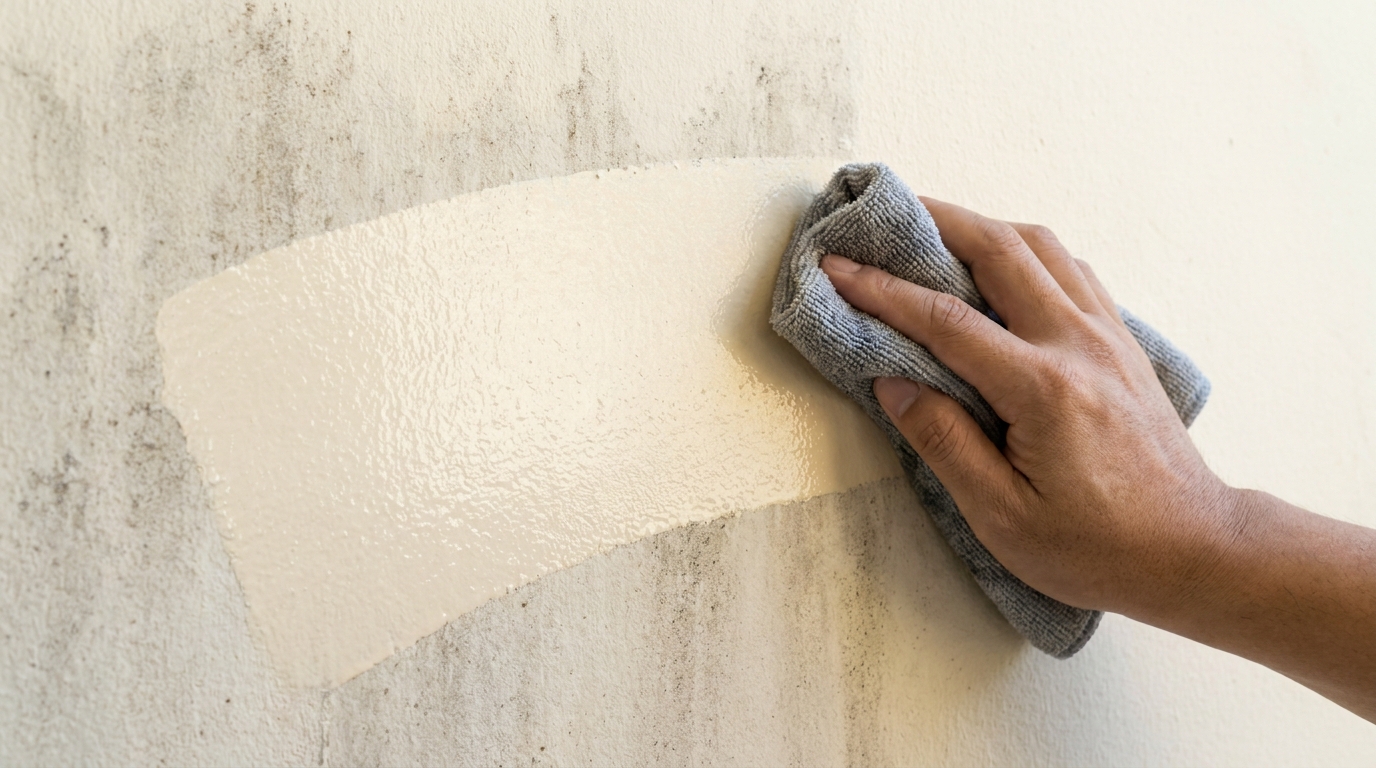
Walls Look Dull and Grimy, But the Paint Itself Isn't Damaged
The sign: Walls that look visibly duller or dirtier than they used to, with a faint grey or yellow cast, but no peeling, cracking, or bubbling in the paint surface itself.
This usually means: Deep clean, sometimes followed by a simple repaint. Dulling without surface damage is almost always accumulated dust, cooking residue, or general airborne grime sitting on top of intact paint, rather than a problem with the paint or the wall underneath it. A proper wall wash — using a mild detergent solution and a soft cloth or sponge, tested first in a corner — often restores a surprising amount of the original colour and brightness without any paint work needed at all. If the dulling doesn't lift with cleaning, a single fresh coat in the same colour is still a far smaller job than anything else on this list.

The Layout and Furniture Feel Outdated, But Everything Still Works Fine
The sign: A general sense of the home feeling "old" or "not how I'd do it now," even though every piece of furniture, every fixture, and every appliance is functioning exactly as it should.
This usually means: An interior refresh — new soft furnishings, a different furniture arrangement, updated colour choices — rather than any structural or renovation-level work. This is one of the most commonly misdiagnosed signs, because "the home feels dated" gets emotionally filed under "we need to renovate" even when nothing is actually broken or structurally lacking. A refresh addresses the feeling directly: new cushions, a different rug, repositioned furniture, and a fresh coat of paint in an updated colour can genuinely transform how a room feels, at a fraction of a renovation's cost and disruption.
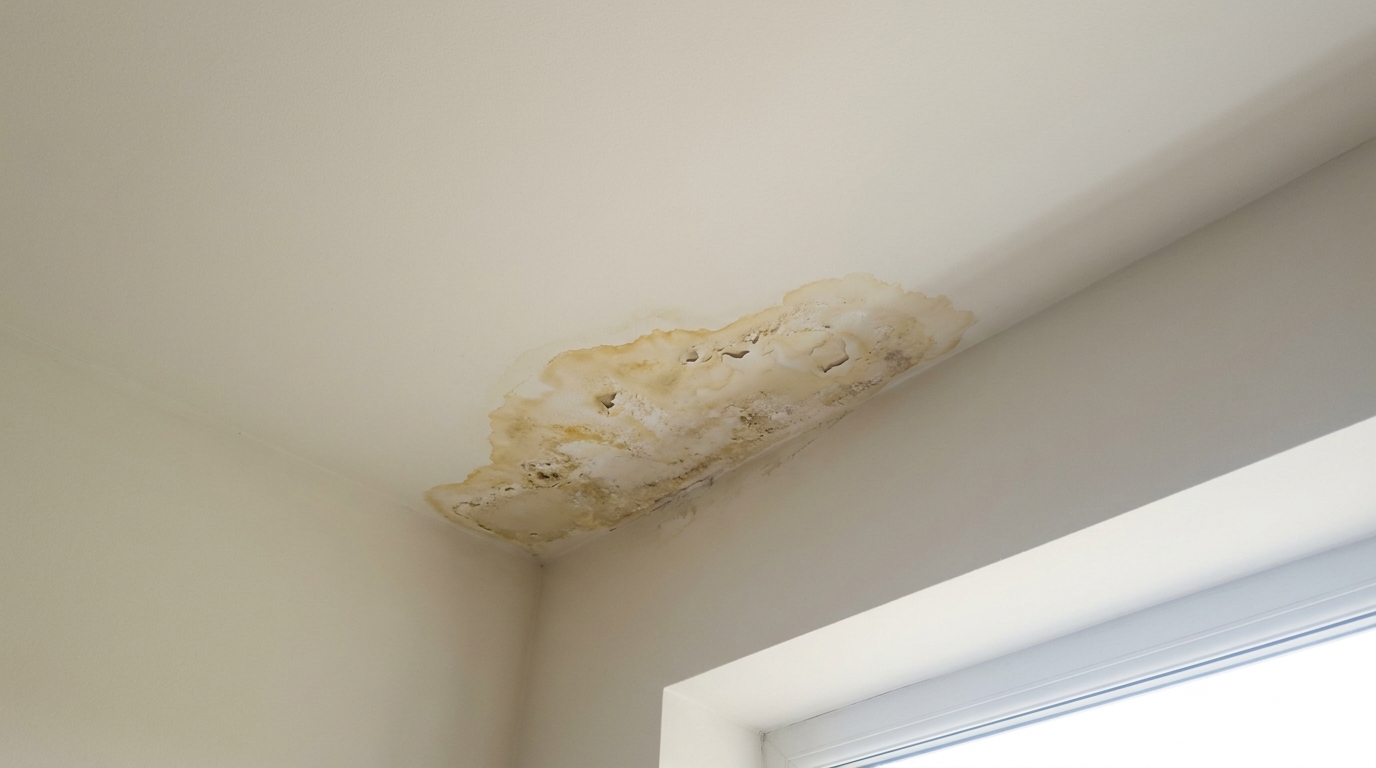
Recurring Damp Patches or Discolouration on Walls or Ceiling
The sign: A patch of wall or ceiling that keeps darkening, bubbling, or showing a faint musty smell, especially one that returns even after being painted over or cleaned.
This usually means: Full renovation-level attention, specifically to waterproofing, not a cosmetic fix. A recurring damp patch is almost never a paint problem — paint sitting on top of an active moisture source will keep failing regardless of how many times it's touched up, because the underlying issue is water getting in from somewhere: a leaking pipe, failed waterproofing on a terrace or bathroom above, or a crack in an external wall. This is one of the clearest signs on this list that the fix needs to happen structurally, before any cosmetic work, or the same problem will simply return.
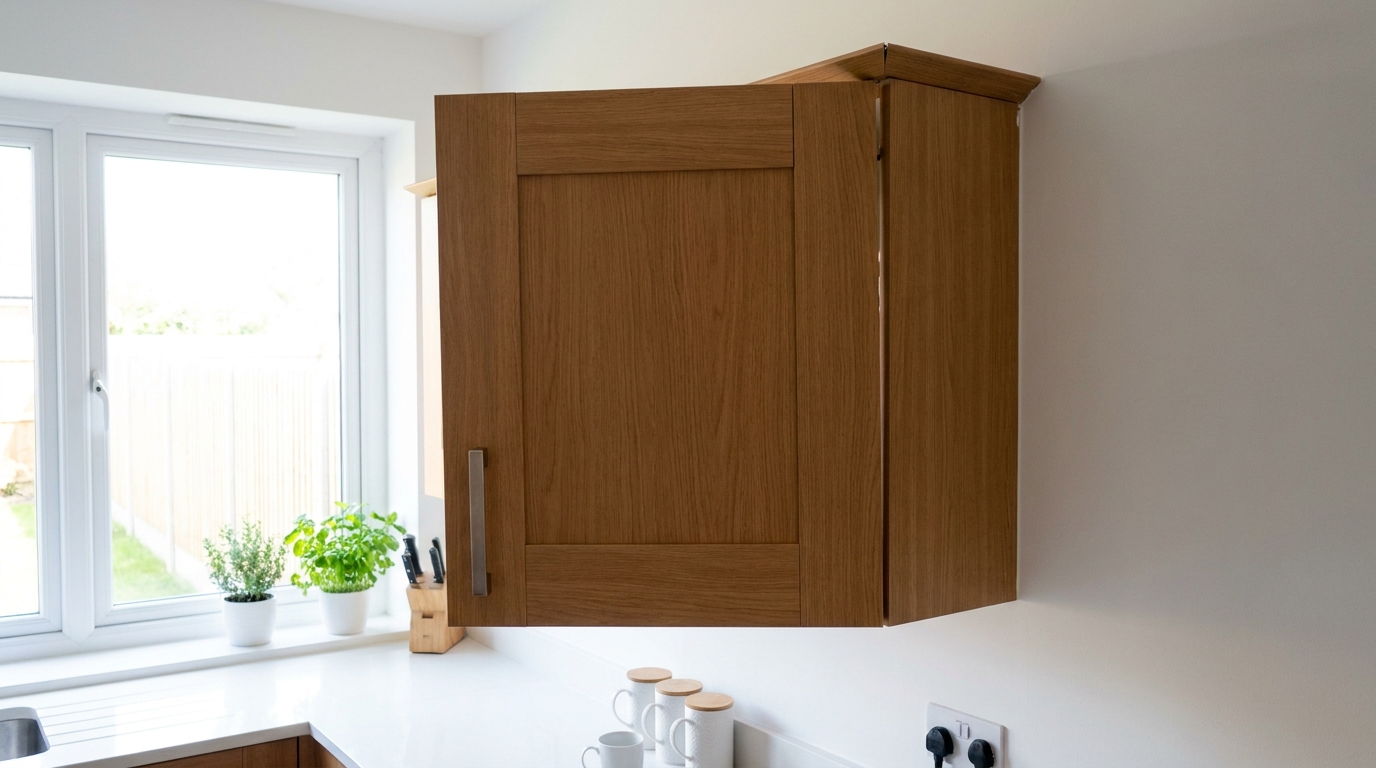
Kitchen Cabinets Are Warped, Sagging, or Coming Apart at the Joints
The sign: Cabinet doors that no longer close flush, shelves visibly sagging under normal weight, or joints where the cabinet material has started to separate or swell, particularly common in older kitchens with prolonged moisture exposure.
This usually means: This can go either way depending on severity — a single warped shelf or one misaligned door is often fixable with a targeted repair or replacement of just that component, but widespread sagging or separation across multiple cabinets usually signals the underlying board material has failed structurally, which points toward a full kitchen renovation rather than a patch repair. The distinction matters because a series of small repairs on failing cabinetry often ends up costing more over time than addressing it properly once.

The Home Just Feels Cluttered and Messy, But Nothing Is Actually Broken
The sign: A general sense of visual chaos — surfaces covered in things, storage overflowing, a home that feels smaller and more stressful than it should — without any specific fixture, wall, or piece of furniture actually being damaged or non-functional.
This usually means: Deep clean and declutter, not renovation, and not always even a refresh. This is possibly the most over-diagnosed sign on this list, since a genuinely cluttered but structurally sound home can look, on the surface, like it needs a complete overhaul, when what it actually needs is a systematic declutter and reorganisation of the storage that already exists. It's worth doing this pass before deciding whether any renovation-level storage additions are genuinely necessary, since a lot of "we need more storage" turns out to be "we need to use the storage we have differently."
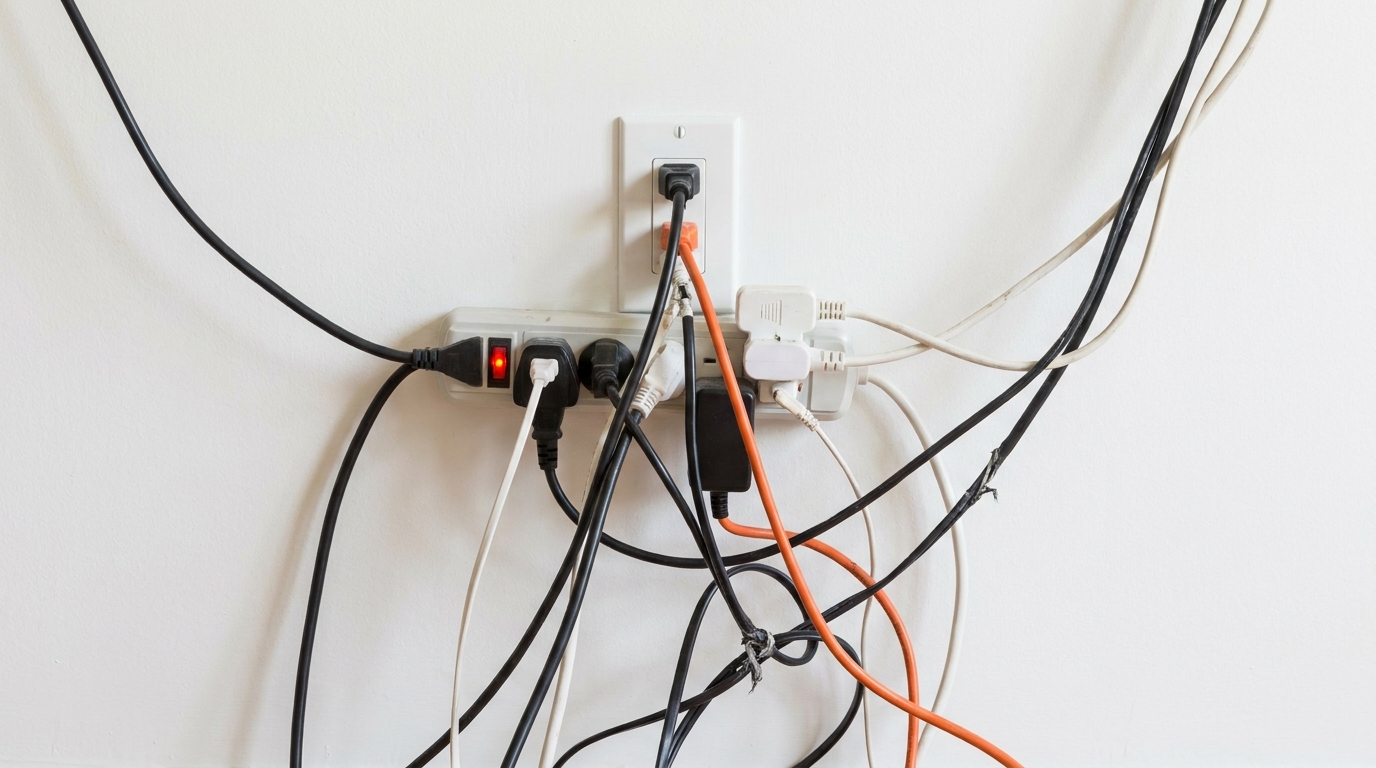
Flickering Lights, Frequent Trips, or Not Enough Outlets for Daily Use
The sign: Lights that flicker without an obvious cause, a circuit breaker that trips more than occasionally, or a household constantly relying on extension cords and multi-plugs because there simply aren't enough outlets where they're needed.
This usually means: Full renovation-level electrical work, and this is one of the signs that shouldn't be delayed regardless of how minor it seems day to day, since electrical issues carry genuine safety risk rather than just inconvenience. Rewiring or adding circuits is disruptive — it often means opening up walls — but it's also not a problem that a cosmetic fix or a deep clean can address in any way, since the issue is in wiring that's either aged, undersized for current load, or simply never had enough points planned in the original build.
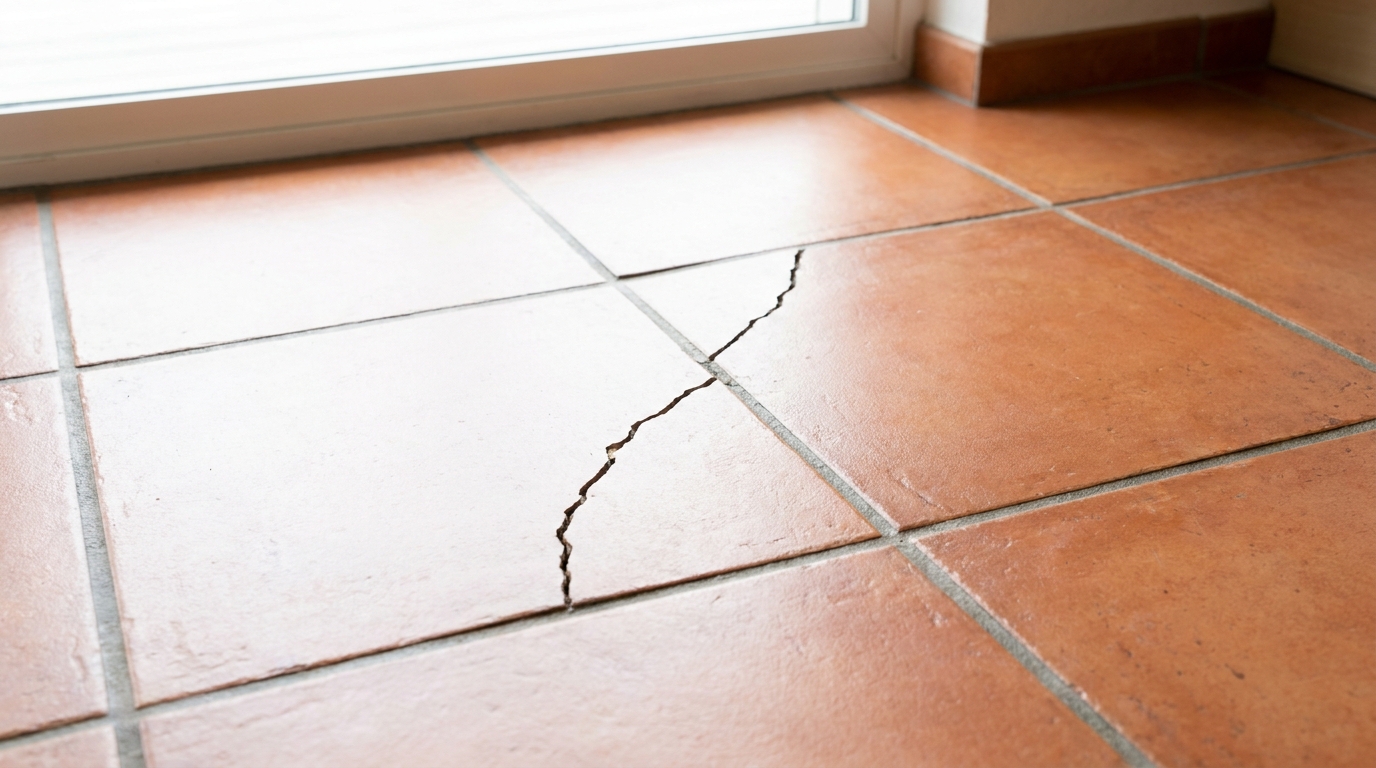
Tiles Are Cracking or Flooring Has Started Lifting at the Edges
The sign: Visible cracks spreading across tile flooring, or edges of wood or vinyl flooring beginning to curl, lift, or separate from the subfloor beneath.
This usually means: Full renovation-level flooring work, and it's worth addressing promptly rather than living with it, since both cracking and lifting tend to worsen with continued foot traffic and can eventually create a trip hazard alongside the cosmetic issue. Unlike a lot of signs on this list, this one is rarely optional to delay a cracked tile that goes unaddressed usually cracks further, and lifting flooring underneath continues to separate rather than resettling on its own.
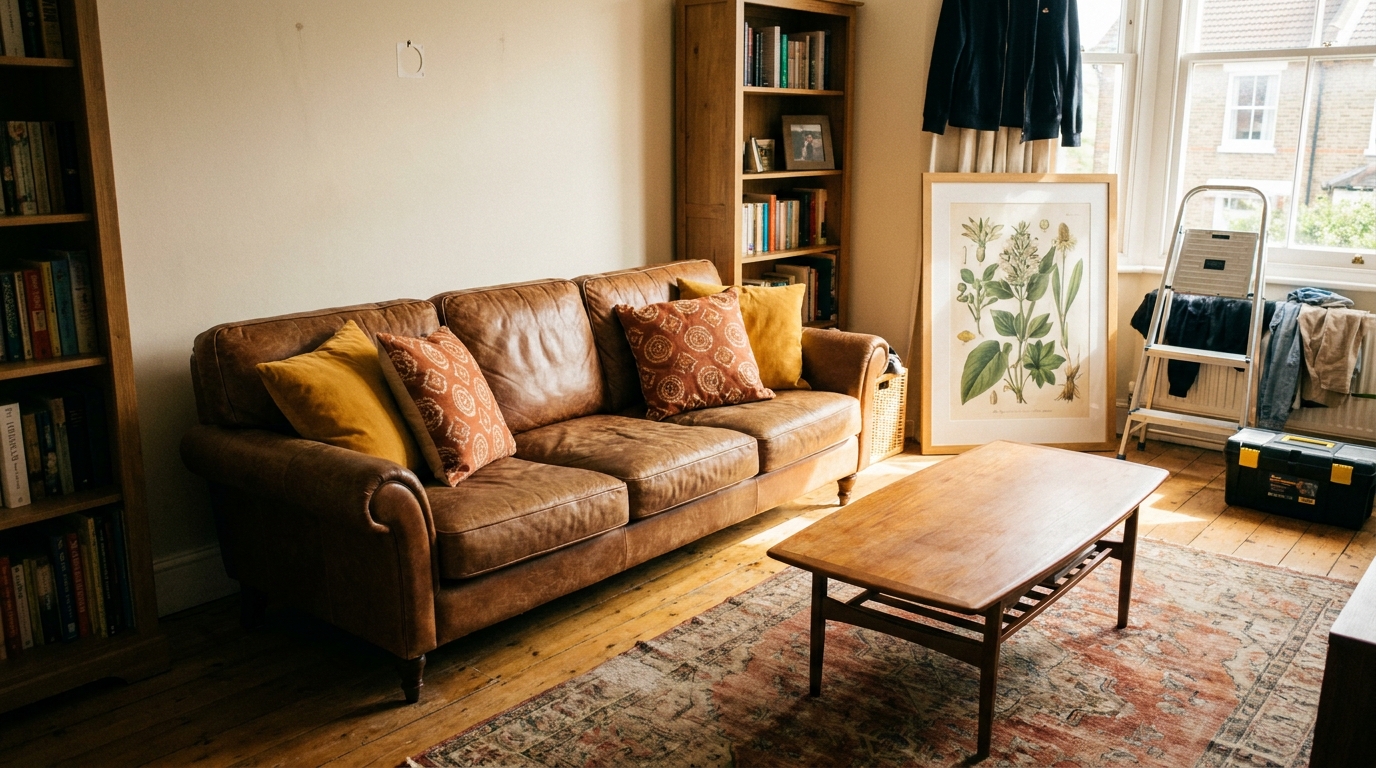
You're Bored of the Space, But Can't Point to Anything Actually Wrong With It
The sign: A restless, ready-for-a-change feeling about a room or the whole home, without being able to name a specific functional or structural complaint — the space simply feels like it's been the same for too long.
This usually means: An interior refresh, and possibly not even a large one. Boredom with a space is a completely legitimate reason to want a change, but it's worth being honest that it's a different category of problem than damage, dysfunction, or safety, and it can usually be addressed at a fraction of renovation-level cost — new colours, a different furniture arrangement, updated lighting fixtures, a couple of statement pieces. It's also worth noting that this feeling tends to resolve for a meaningful stretch of time even with a fairly modest refresh, since a lot of "boredom" with a space is really about not having changed anything in it for years, not about the space being genuinely wrong.
Closing
The through-line across all eight of these signs is the same: the fix should match the actual cause, not the emotional weight of how frustrating the problem feels day to day. A recurring damp patch or cracked flooring genuinely can't wait and needs proper renovation-level attention. A cluttered shelf or a room you're simply bored of very likely doesn't need anywhere near that level of intervention. Diagnosing correctly before spending anything is the difference between solving the actual problem and spending renovation money on something a weekend of cleaning could have fixed — or worse, cleaning your way around a structural issue that keeps coming back.
Want a real estimate for your home?
Share your home in 2 minutes. We'll match you with verified designers in your city and give you a BOQ-level estimate before any work begins.
Share your home →