6 Study Corner Ideas Worth Stealing for Your Kid's Room
Real study corner setups for small Indian apartments — copy the layout, swap in what fits your space
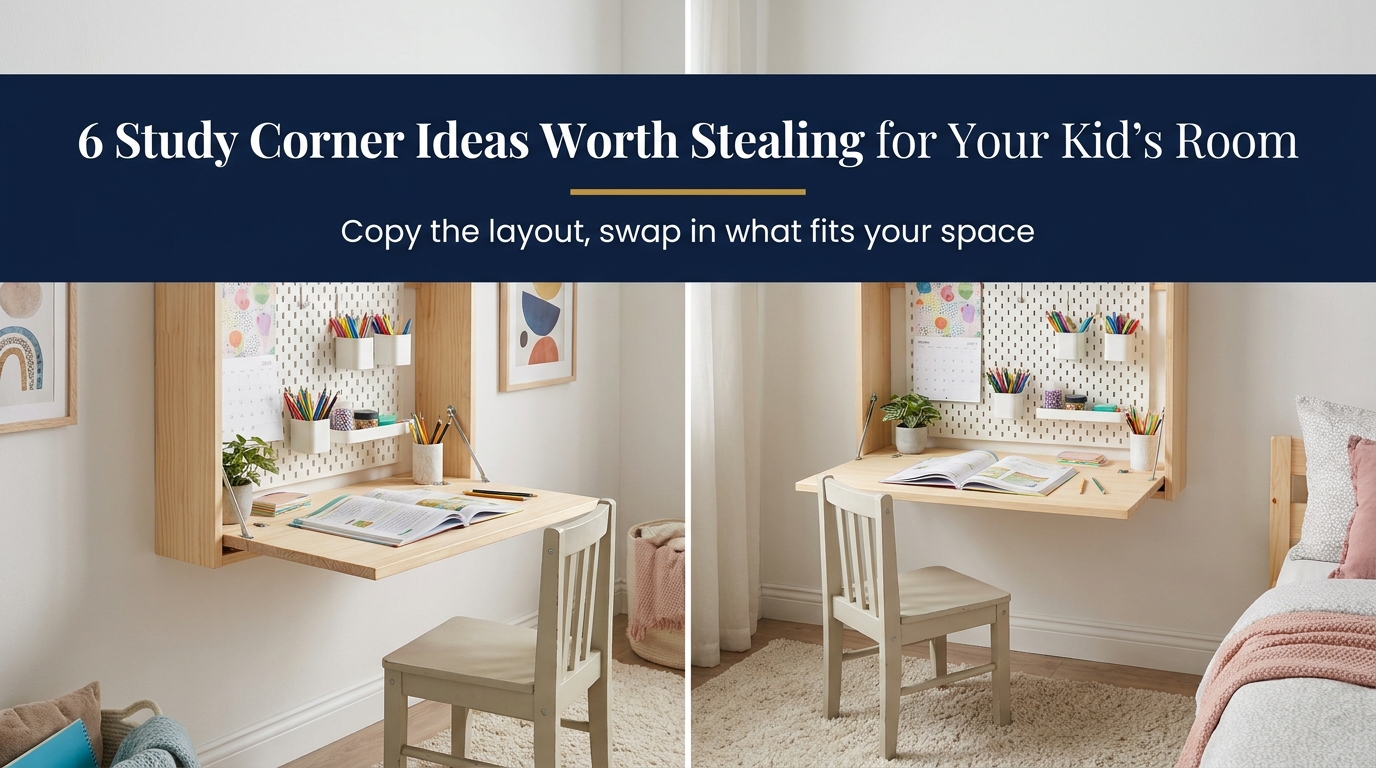
Not every home has a spare room to turn into a proper study, and in most Indian apartments — especially one- and two-bedroom homes shared between siblings — a dedicated study room simply isn't realistic. What actually matters for a child doing homework consistently isn't square footage, though; it's having one specific spot that's set up for it, rather than doing homework wherever there happens to be an open surface each evening — the dining table one day, a bed the next, the floor after that. These six ideas create that one dedicated spot inside whatever space already exists, without needing an extra room at all.
1. A Wall-Mounted Fold-Down Desk for Zero Floor Footprint
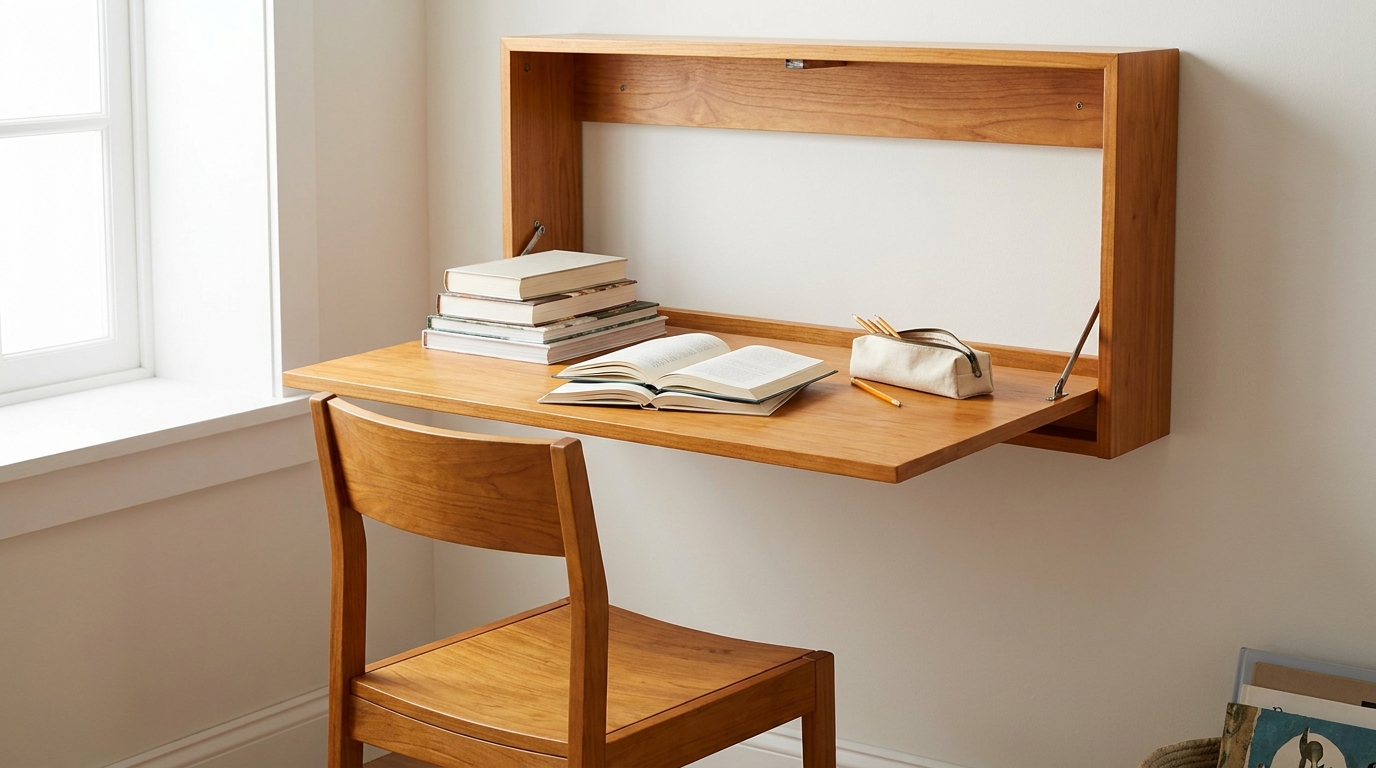
In a genuinely tight bedroom, even a small standalone desk can be one piece of furniture too many. A wall-mounted fold-down desk — hinged so it drops down to a flat, usable surface when needed and folds flush back against the wall when it's not solves this directly, giving a proper desk surface without permanently claiming any floor space at all.
This works especially well in a shared kids' room, where floor space is already split between two children's beds and storage, and it's also one of the easier study-corner solutions to retrofit into an existing room, since it only needs a section of wall and a simple hinge bracket rather than a full furniture reconfiguration.
2. A Pegboard or Corkboard Wall Above the Desk
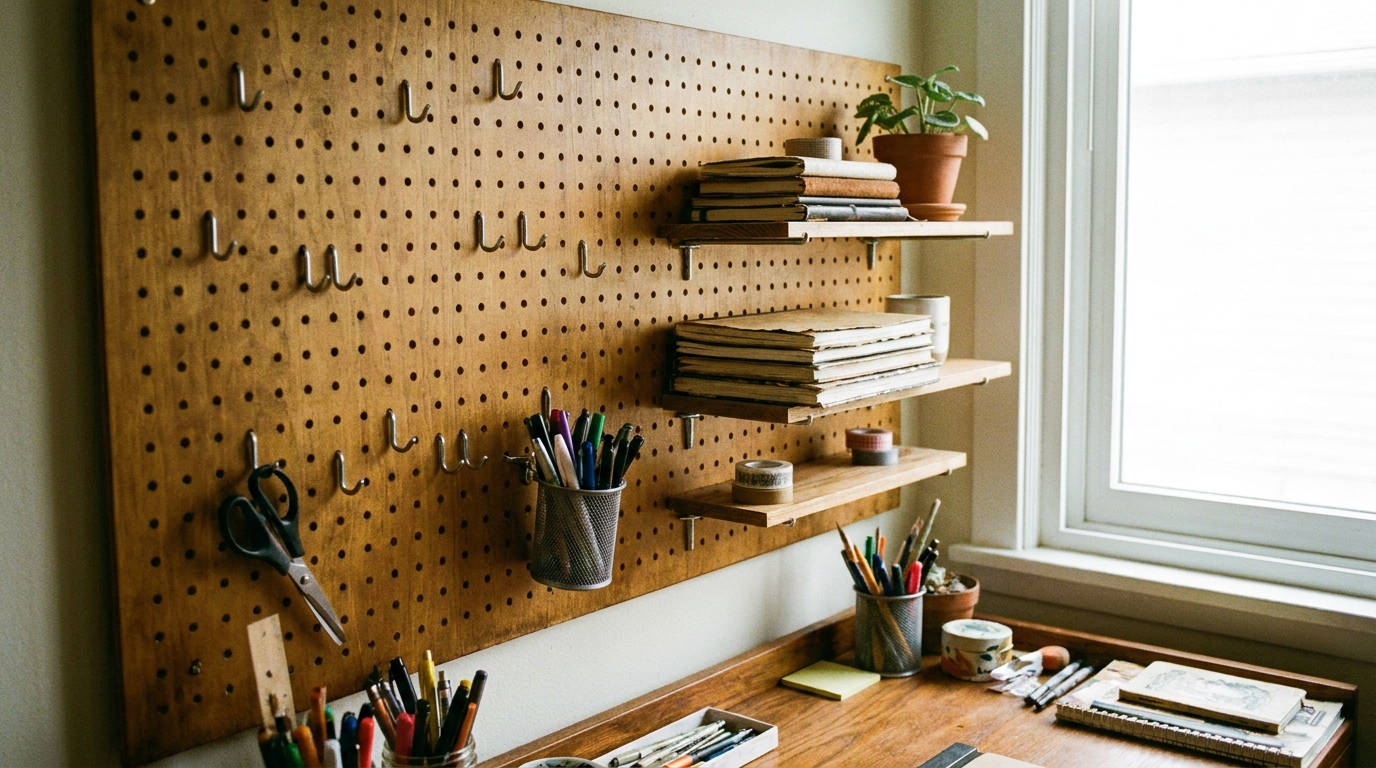
Desk clutter — pens, rulers, loose papers, the odd forgotten worksheet — tends to pile up on the desk surface itself when there's nowhere else nearby for it to go, which shrinks the actual usable working area over time. A pegboard or corkboard mounted on the wall directly above the desk gives all of that a vertical home instead, using wall space that would otherwise sit empty.
Beyond storage, a pegboard specifically lets a child rearrange hooks and small shelves as their supplies and habits change over the years, which makes it a genuinely long-lasting addition rather than something sized for a single age or grade.
3. A Study Nook Built Under a Loft or Bunk Bed
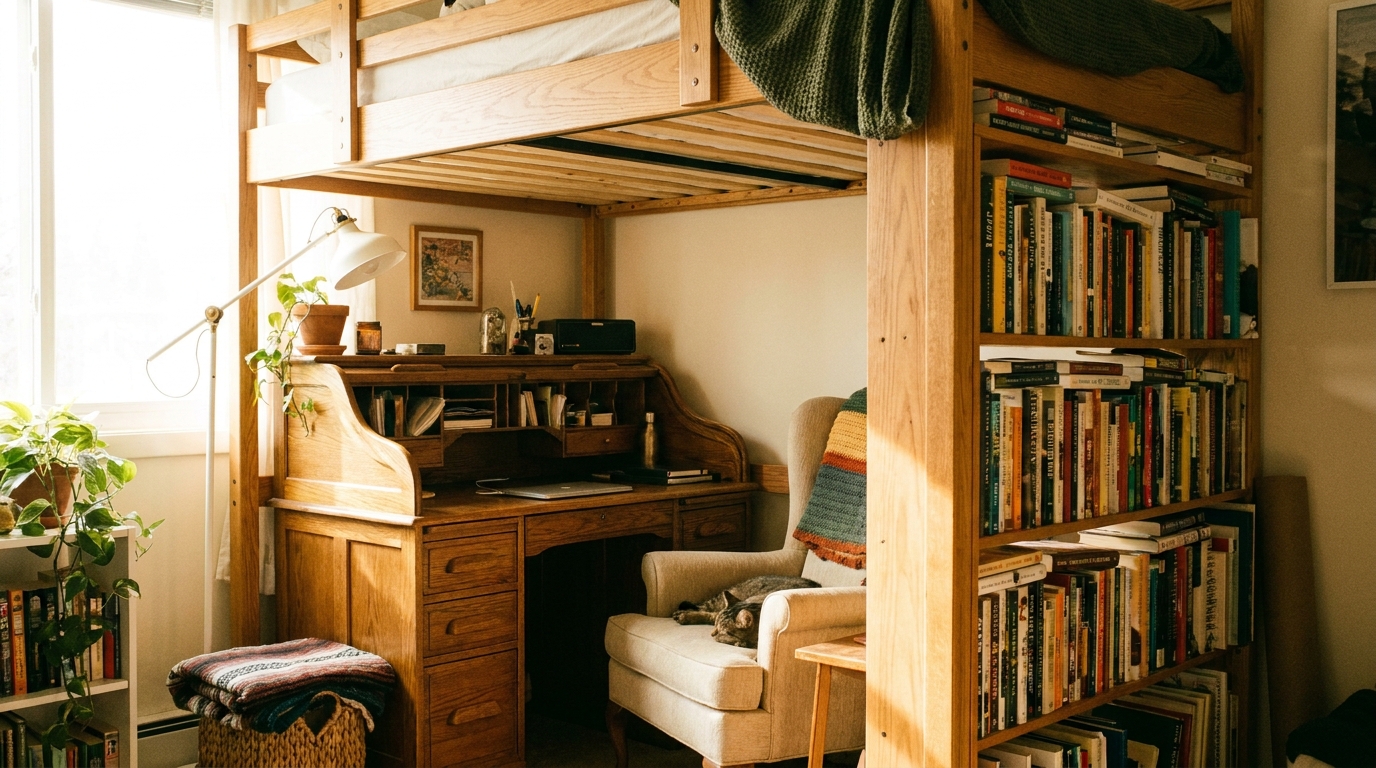
For a child's room with a loft or bunk bed, the space directly underneath is often left as open floor or basic storage, when it's actually one of the more naturally defined "rooms within a room" available in a small bedroom — already partially enclosed by the bed frame above it, with a sense of its own boundary that an open corner elsewhere in the room doesn't have.
Fitting a small desk, a chair, and a section of shelving into that under-bed space creates a study corner that feels genuinely separate from the rest of the room, which can help a child mentally associate that specific spot with focused homework time rather than general play.
4. Task Lighting Positioned Specifically for the Desk
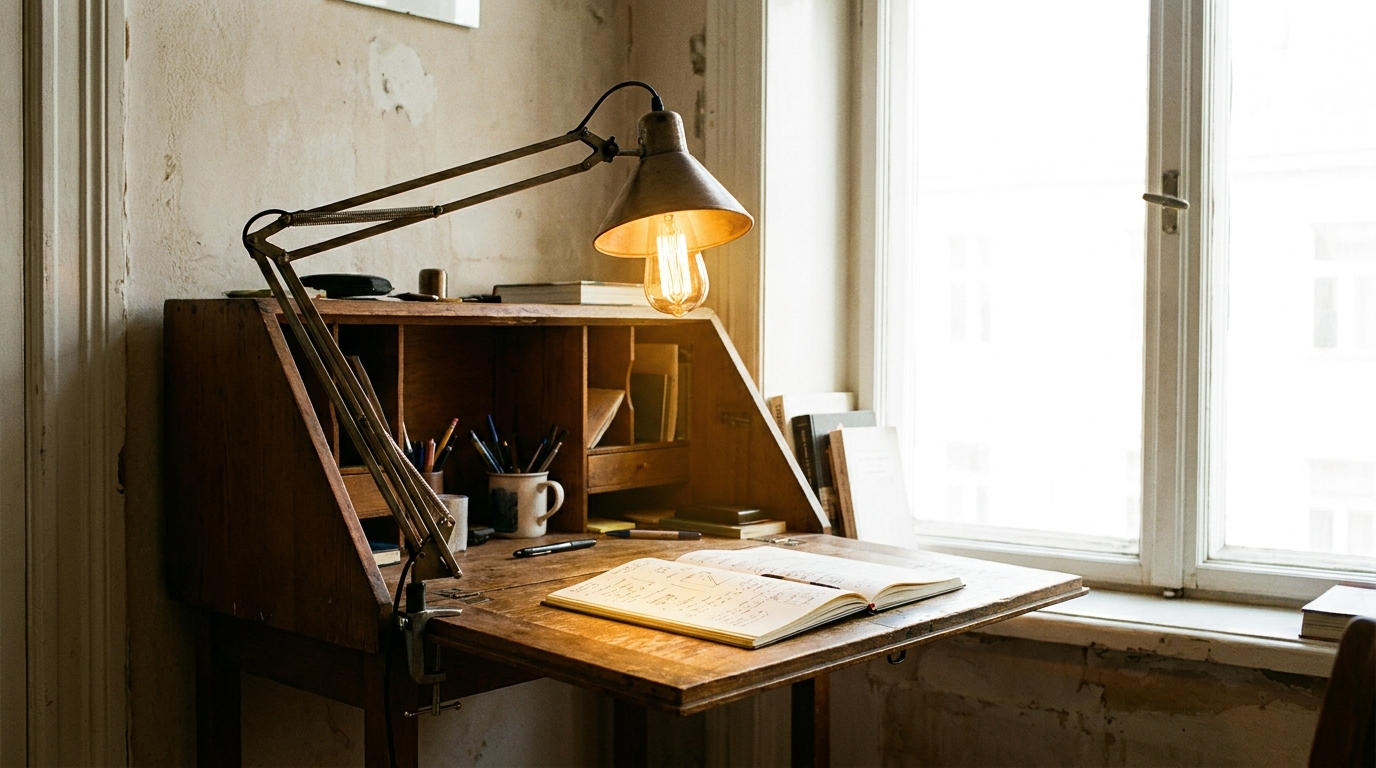
A room's general overhead lighting is rarely positioned or bright enough for close reading and writing work, which means a child doing homework under only the room's main light is often working in less light than they need, leading to squinting or leaning too close to the page without anyone quite noticing why.
A dedicated desk lamp, or a small wall-mounted task light angled directly onto the desk surface, fixes this specifically for the one activity that actually needs strong, even, close-range light — and it's worth choosing a warm-white or neutral-white bulb rather than a harsh cool-white one, since the harsher tone tends to feel clinical for a child's room.
5. Open Cubby Storage at a Child's Own Reachable Height
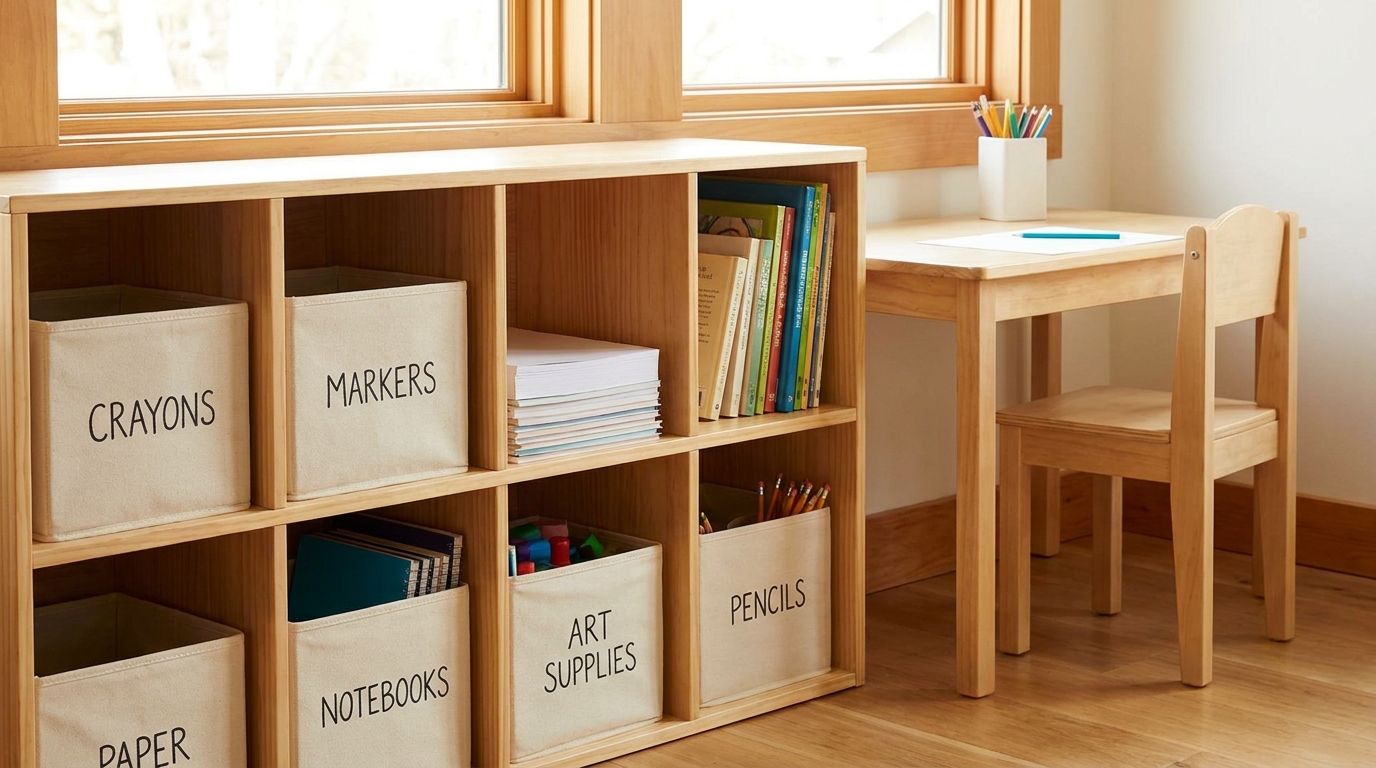
Study supplies stored in cabinets too high for a child to reach independently mean an adult ends up fetching pencils, erasers, and notebooks constantly, which undermines the entire point of a dedicated study corner — a spot a child can use and maintain mostly on their own.
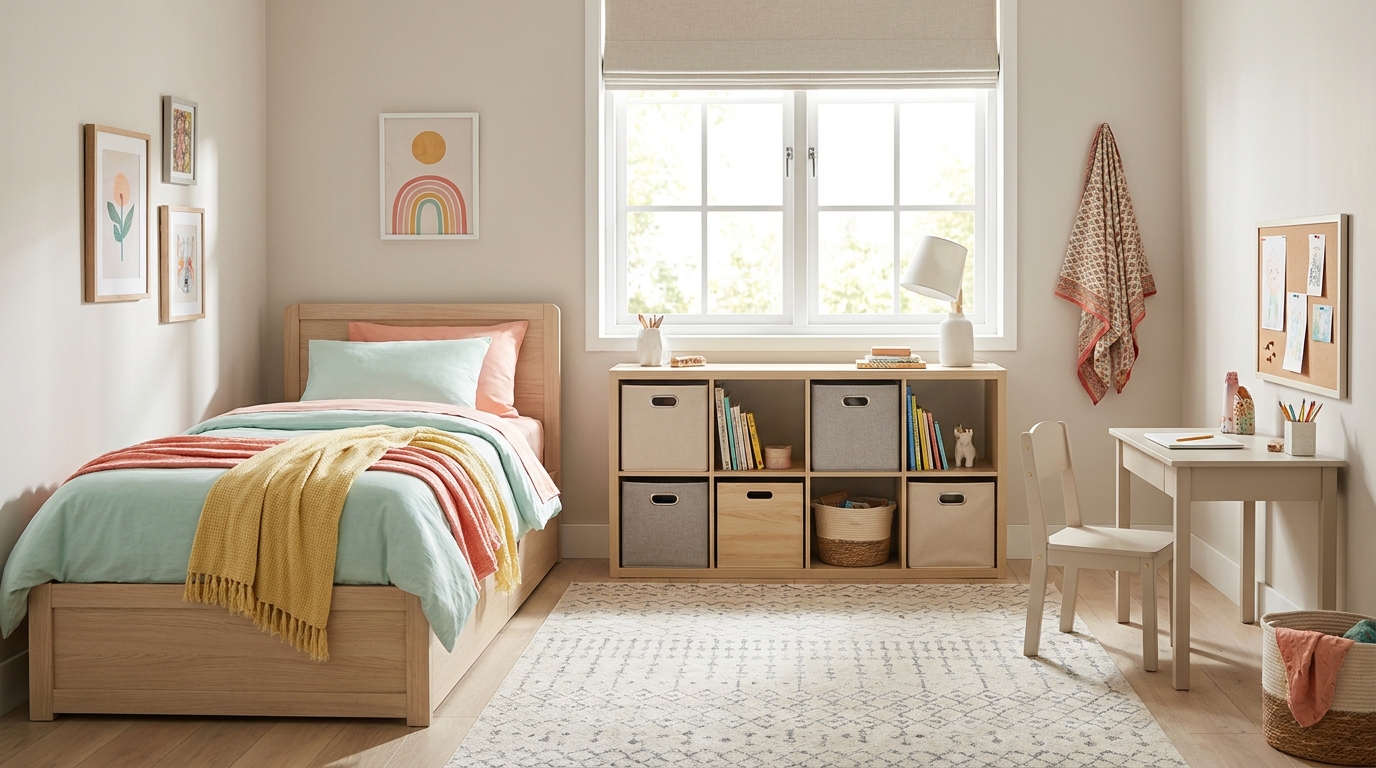
Open cubby shelving, sized and positioned specifically at a child's own height rather than adult-standard shelf height, lets them actually reach, choose, and put away their own supplies, which builds independence around the study routine itself, not just around the physical space.
6. Converting a Section of Closet Into a Mini Study Nook
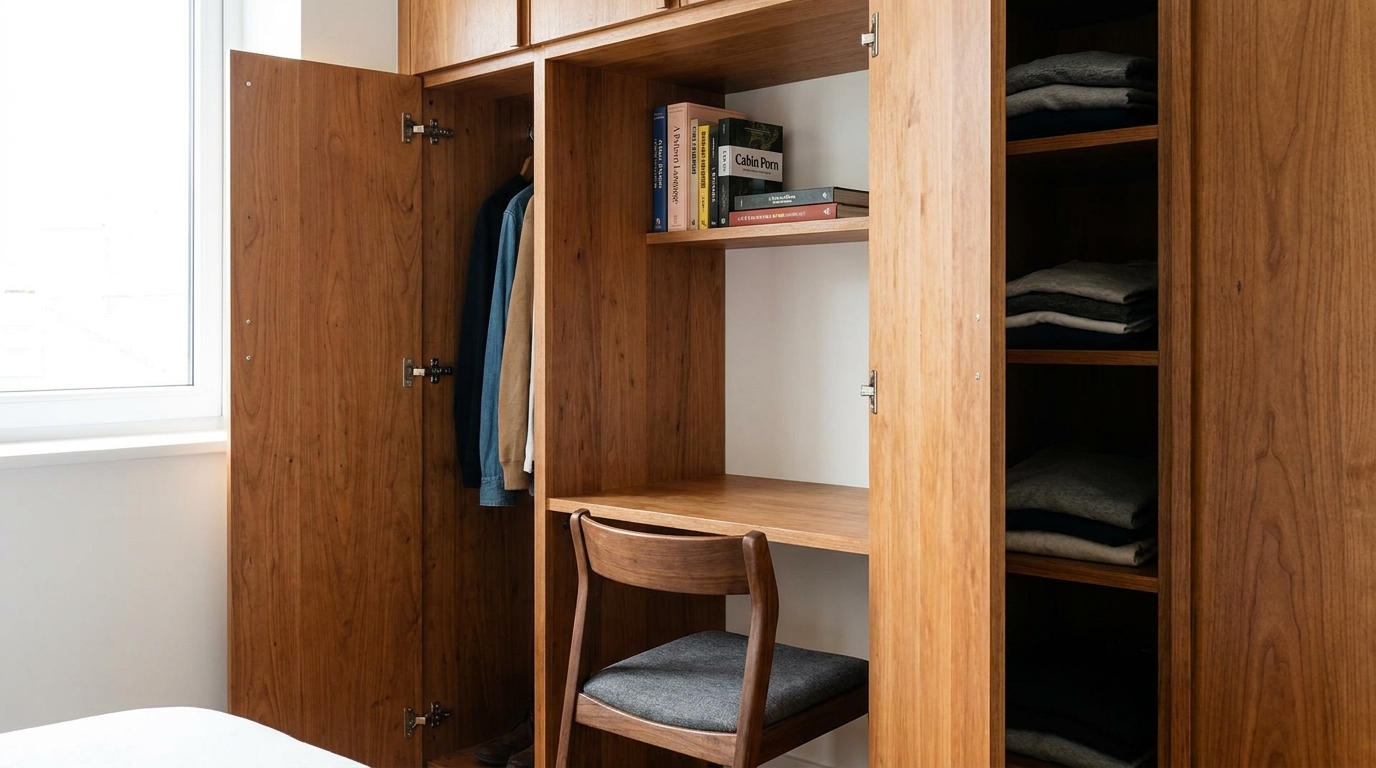
For a bedroom with genuinely no spare wall or corner, part of an existing wardrobe or closet — particularly a section that's underused or holds clothes that don't get worn often — can be converted into a small enclosed study nook, with the desk fitted where hanging rod or shelving used to be, doors left open or removed entirely during use.
This is one of the more space-creative solutions on this list, and it works particularly well for very compact single-occupancy rooms where every other wall is already accounted for by a bed and a wardrobe, since it doesn't require finding any new space at all — just repurposing existing storage into something more actively used.
Closing
None of these six ideas need a spare room, and most of them fit into space that already exists in some form — a wall, the underside of a bed, part of a wardrobe. What matters more than square footage is that a child has one consistent, specific spot associated with homework, set up with the right lighting, storage, and surface for it — not wherever happens to be free on a given evening.
Want a real estimate for your home?
Share your home in 2 minutes. We'll match you with verified designers in your city and give you a BOQ-level estimate before any work begins.
Share your home →