Your Dining Table Is Doing More Work Than the Rest of Your Home Combined
6 dining room ideas for Indian homes where the table is also the desk, the homework station, and the place guests actually gather
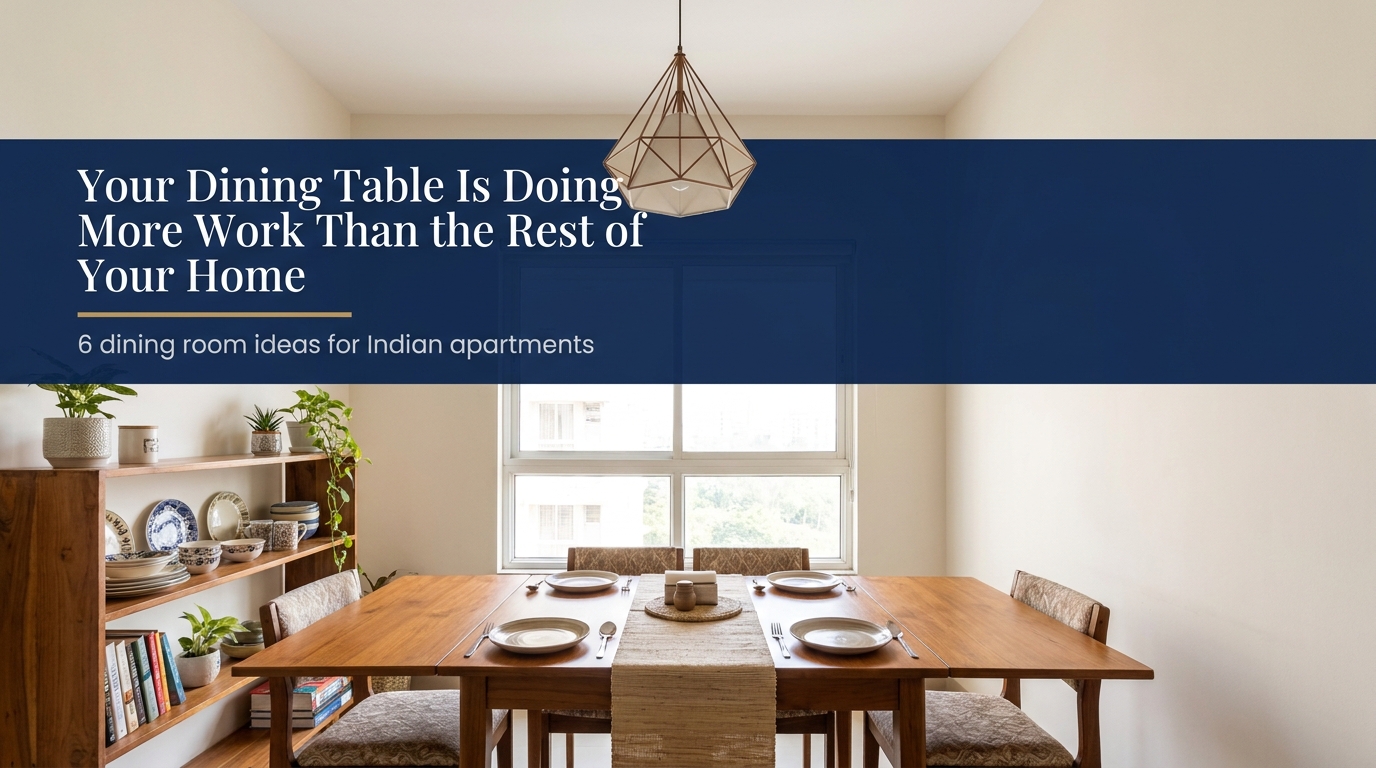
Ask most Indian households what the dining table is for, and "eating meals" is only technically true. It's also where kids do homework in the evening, where a laptop opens for a quick work call, where mail and keys land the moment someone walks in, and where guests actually end up standing around during a get-together instead of the living room sofa everyone assumed they'd use. Despite carrying all of that weight, the dining space is usually the least deliberately designed room in the house a table, some chairs, maybe a showcase unit inherited from a previous home, arranged with far less thought than the kitchen or living room ever gets. These six ideas start from what the space is actually asked to do, rather than what "dining room" implies it should look like.
1. An Extendable Table for a Space That Changes Size Daily
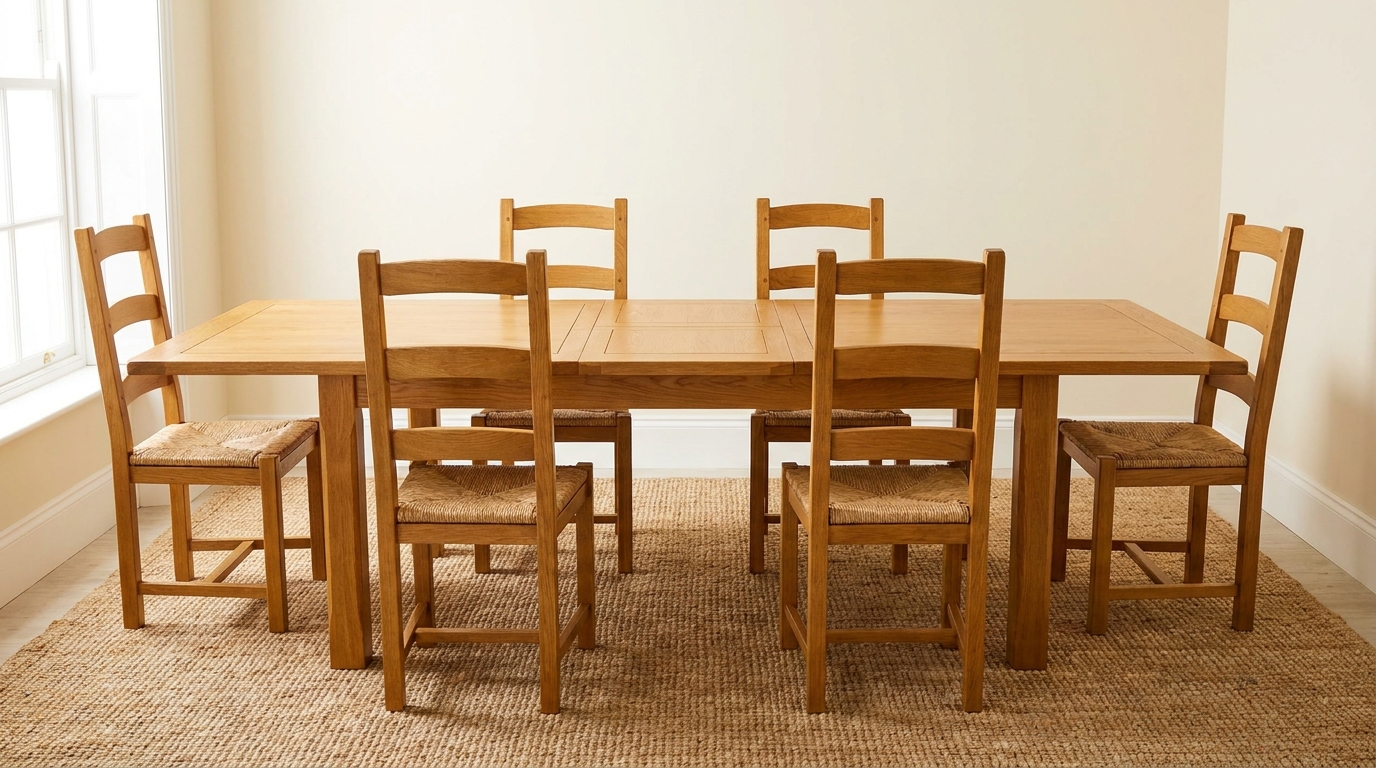
Most households don't need seating for eight on a random Tuesday, but they do need it twice a month when family visits and buying a large table sized for the occasional gathering means living with an oversized table crowding a small room for the other 28 days. An extendable table, with a centre leaf that folds out or slides in, solves this directly: compact for daily use, full-sized when it's actually needed. It's a specific fix for a specific mismatch most Indian dining spaces are sized for four, but expected to occasionally seat far more and it means the room doesn't have to compromise on either scenario.
How to Get This: Look for a solid wood (not veneer) table with a butterfly-leaf or drop-leaf mechanism — solid wood holds up better to the fold hardware over years of use.
2. Open Shelving Instead of a Bulky Showcase Unit
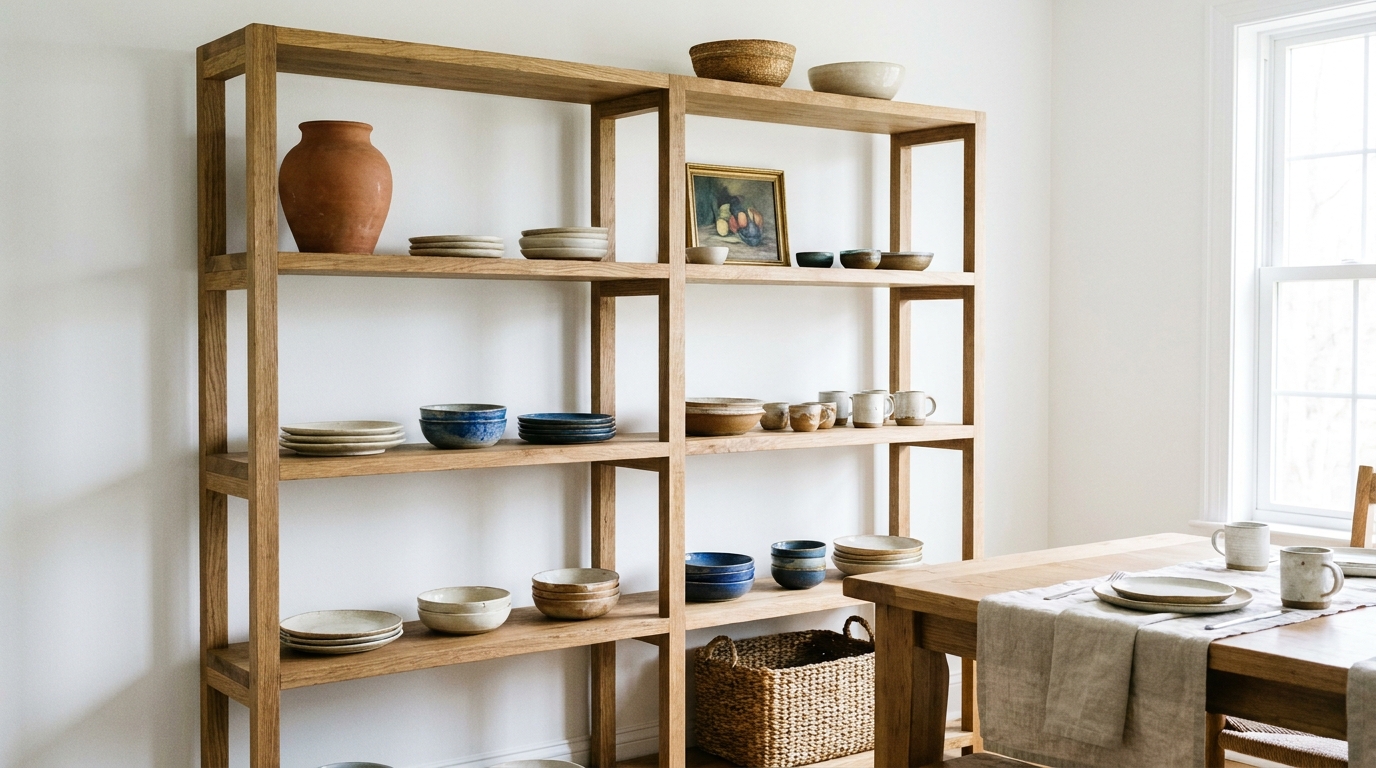
The traditional glass-front showcase unit inherited, gifted, or bought early in a home's furnishing tends to eat a disproportionate amount of wall space while displaying items nobody actually reaches for day to day. Open shelving in the same footprint does double duty: it holds the everyday crockery within actual reach of the table, while still giving a few decorative pieces room to be seen, without the visual bulk of a closed cabinet. It also reads as considerably lighter in a small room, since open shelves show the wall behind them instead of blocking it entirely.
How to Get This: Ask for floating wall-mounted shelves in 18–20mm plywood, at least 25cm deep to comfortably hold standard dinner plates.
3. A Bench on One Side to Save Real Floor Space
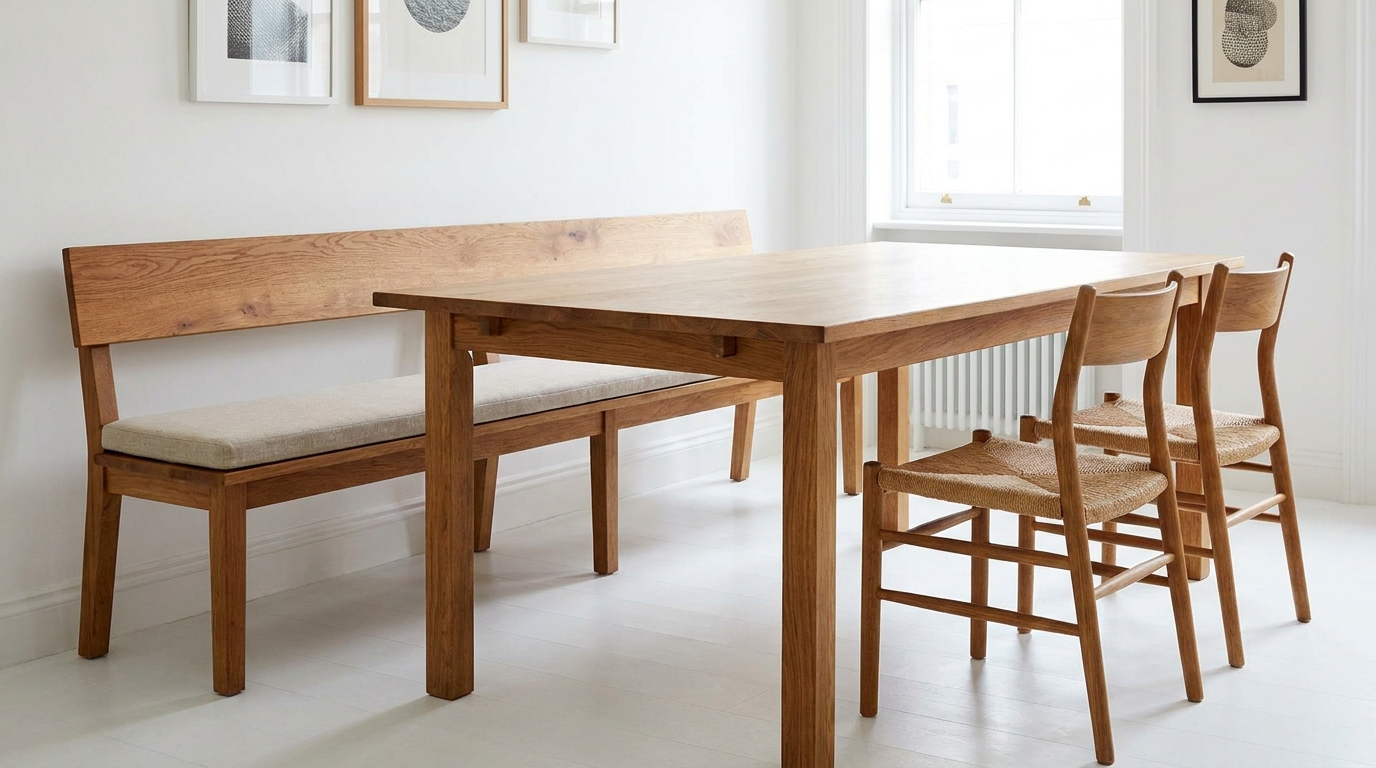
Four chairs plus a table takes up more clearly defined floor space than most compact dining areas actually have, especially once you account for the room needed to pull each chair out. Swapping one side of the table for a built-in or freestanding bench cuts that footprint meaningfully a bench can be pushed flush against the table when not in use, and it comfortably seats two people in roughly the space one chair's pulled-out clearance would need. It also tends to make the space feel more casual and social, since a bench naturally invites people to shift and make room rather than being locked into individual chair positions.
How to Get This: Size the bench to match your table's long side exactly, and choose a wipeable or outdoor-grade fabric for the seat cushion since it'll see more daily wear than individual chairs.
4. A Pendant Light Sized to the Table, Not the Room
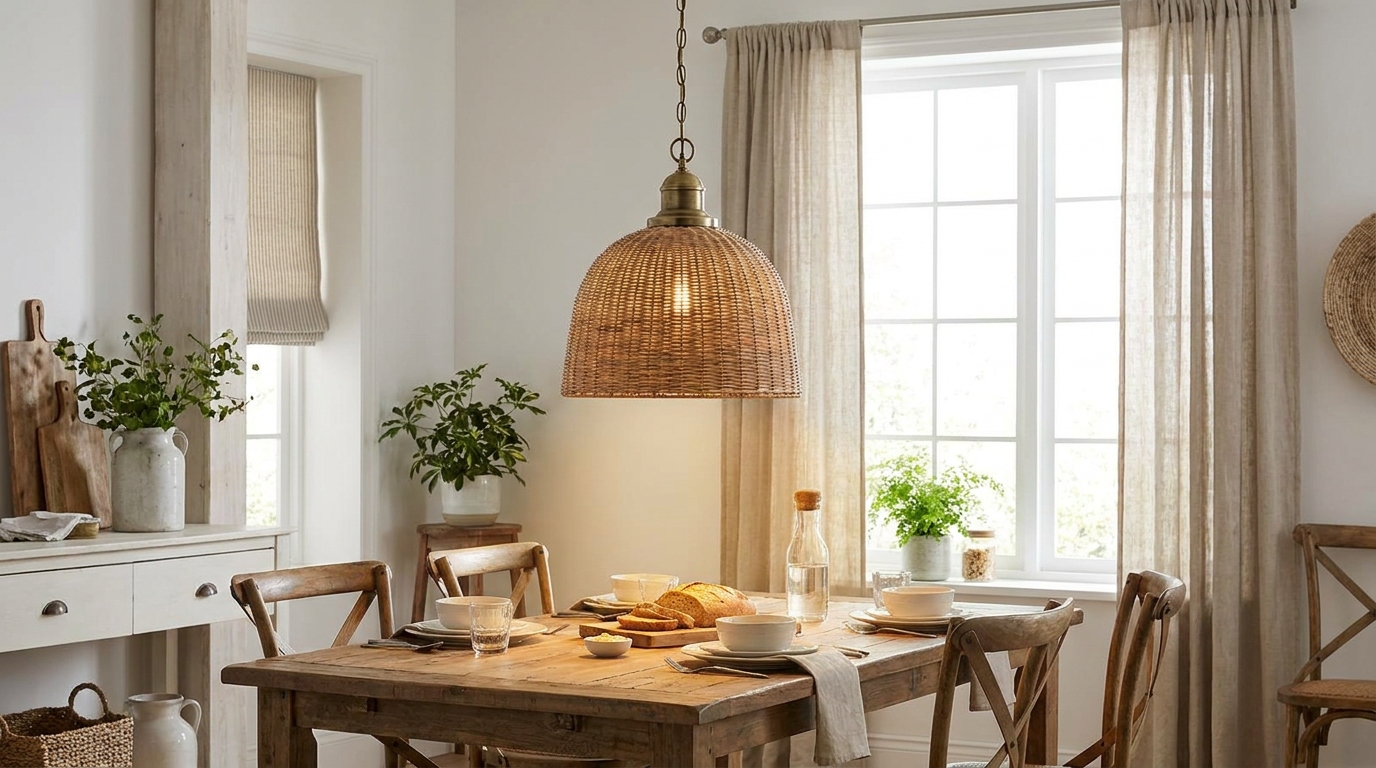
Dining spaces are often lit by whatever ceiling fixture came with the apartment, sized and positioned for general room lighting rather than the table specifically. A single pendant light, or a linear run of two to three pendants, hung at the correct height directly over the table centre does something a general ceiling light can't: it visually anchors the table as its own zone, even in an open-plan layout where the dining area isn't separated by walls. The height matters more than people expect too high and it lights the room instead of the table; roughly 75–80 cm above the tabletop is the range that actually pools light where people are sitting.
How to Get This: Hang the pendant 75–80cm above the tabletop. A single pendant works for round tables; a linear or two-to-three-pendant run suits a rectangular one.
5. A Drawer or Sideboard for the Things That Land on the Table
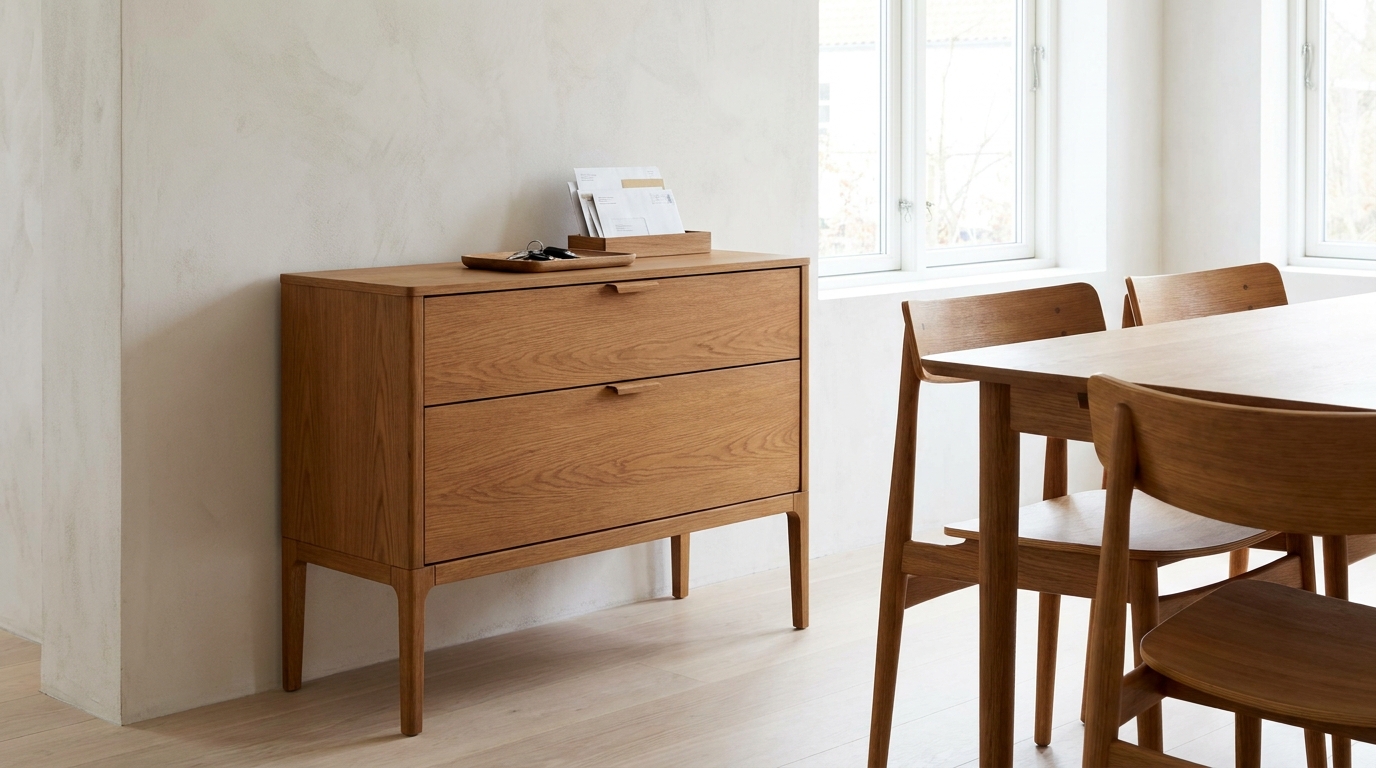
Keys, mail, a stray charger, a child's school notice in most homes, the dining table is where things get set down "just for a second" and then stay for a week, because there's nowhere else nearby for them to go. A slim sideboard or a set of shallow drawers positioned near the dining area gives all of that a home that isn't the tabletop itself, which is the single biggest factor in whether the table stays clear enough to actually eat on without clearing it first. It doesn't need to be large even one narrow drawer unit near the entry to the dining area absorbs most of the daily catch-all clutter.
How to Get This: A sideboard just 30–35cm deep fits against most dining walls without blocking chair clearance ask your carpenter to confirm the depth against your room's actual pull-out space first.
6. Chairs That Are Actually Comfortable to Sit In for an Hour
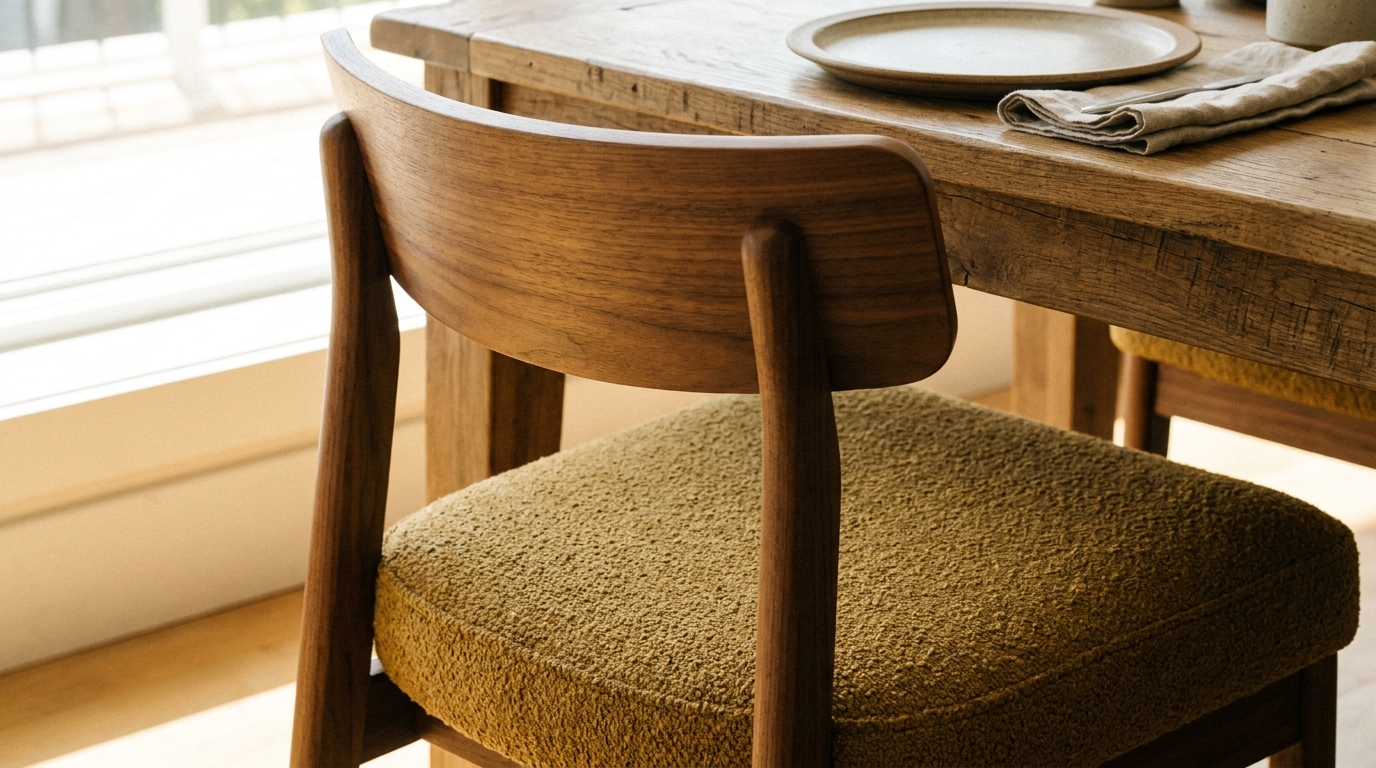
Dining chairs get chosen primarily for how they look with the table, and comfort for anything beyond a twenty-minute meal is often an afterthought which becomes a real problem once the table doubles as a homework desk or a work-from-home spot for part of the day. A chair with a slightly contoured backrest and a proper seat cushion, rather than a flat wooden seat chosen purely to match the table's finish, makes a real difference for anyone using that seat for longer stretches. It's worth sitting in the actual chair for several minutes before buying, not just judging it by how it looks next to the table in a showroom.
How to Get This: Look for a seat cushion at least 4cm thick and a slightly contoured backrest sit in the actual chair for a few minutes before ordering, not just a photo.
Closing
None of these six changes require redoing the dining room from scratch most of them are swaps or additions to a space that already exists. What they have in common is designing for what the dining table actually gets used for in an Indian home: meals, yes, but also homework, work calls, mail, and the moments guests end up gathered around it instead of the sofa. A dining space built for all of that works harder than one built for meals alone ever will.
Want a real estimate for your home?
Share your home in 2 minutes. We'll match you with verified designers in your city and give you a BOQ-level estimate before any work begins.
Share your home →