Why One Bold Color Can Transform Any Room (And Why Most Indian Homes Miss It)
Why color contrast—not size or budget—is the real reason some spaces feel professionally designed while others feel flat.
Why One Bold Color Can Transform Any Room (And Why Most Indian Homes Miss It)
Walk into ten Indian apartments and you'll notice something strange: most of them look the same. Beige sofa. Cream walls. A rug that matches the curtains that matches the cushions that matches everything else. Nothing clashes but nothing stands out either. This isn't a budget problem. It's a color problem. And it's the single easiest thing to fix in any home.
The "Safe Beige" Trap
When homeowners renovate, the instinct is almost always to play it safe. Light walls, neutral furniture, nothing too loud because nobody wants to make an expensive mistake. The result is a home that's technically finished but emotionally flat. It photographs poorly. It doesn't feel like anyone's home in particular. It just feels... done. The irony is that "safe" color choices are often what makes a space feel unfinished, not the other way around.
What Happens When You Add One Bold Color
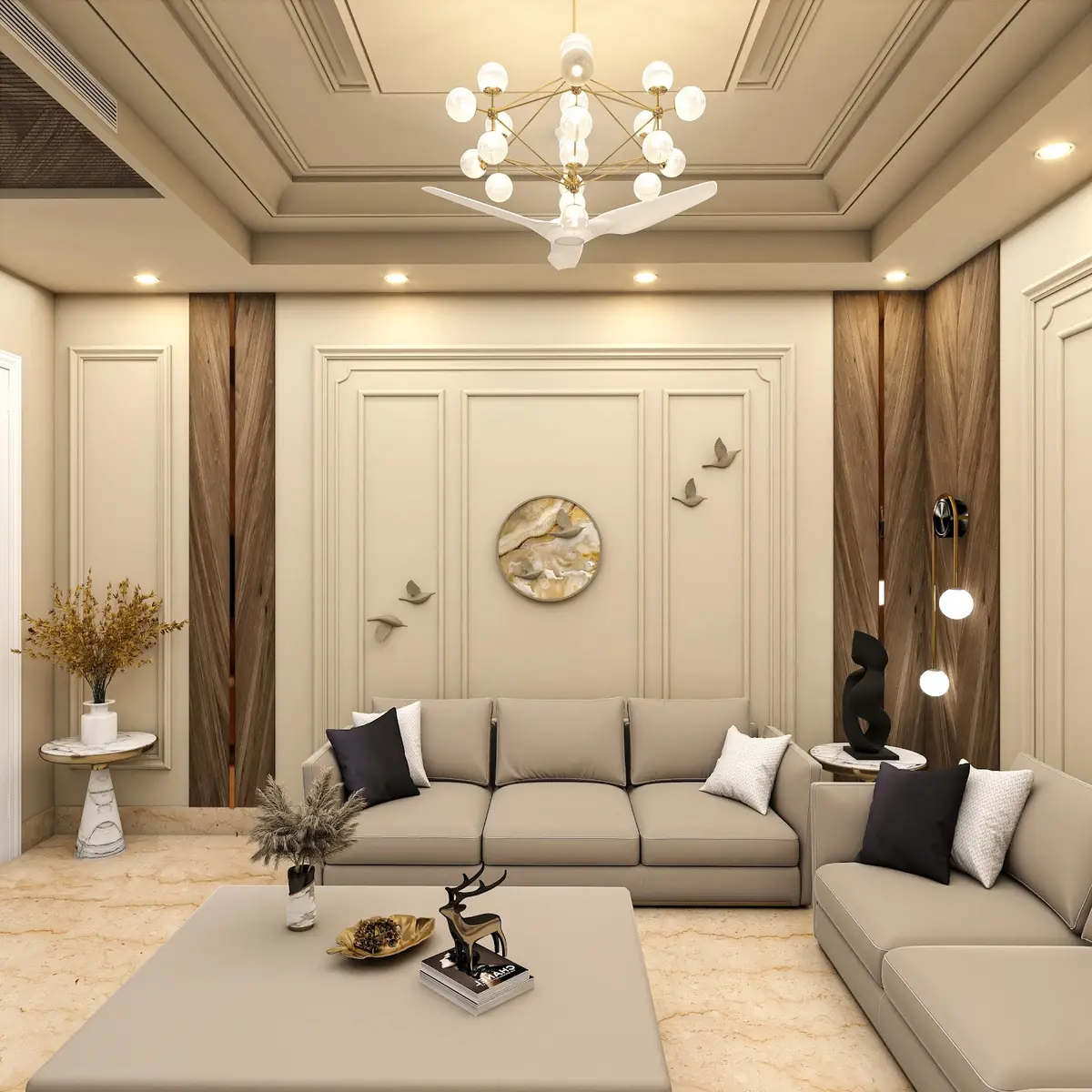
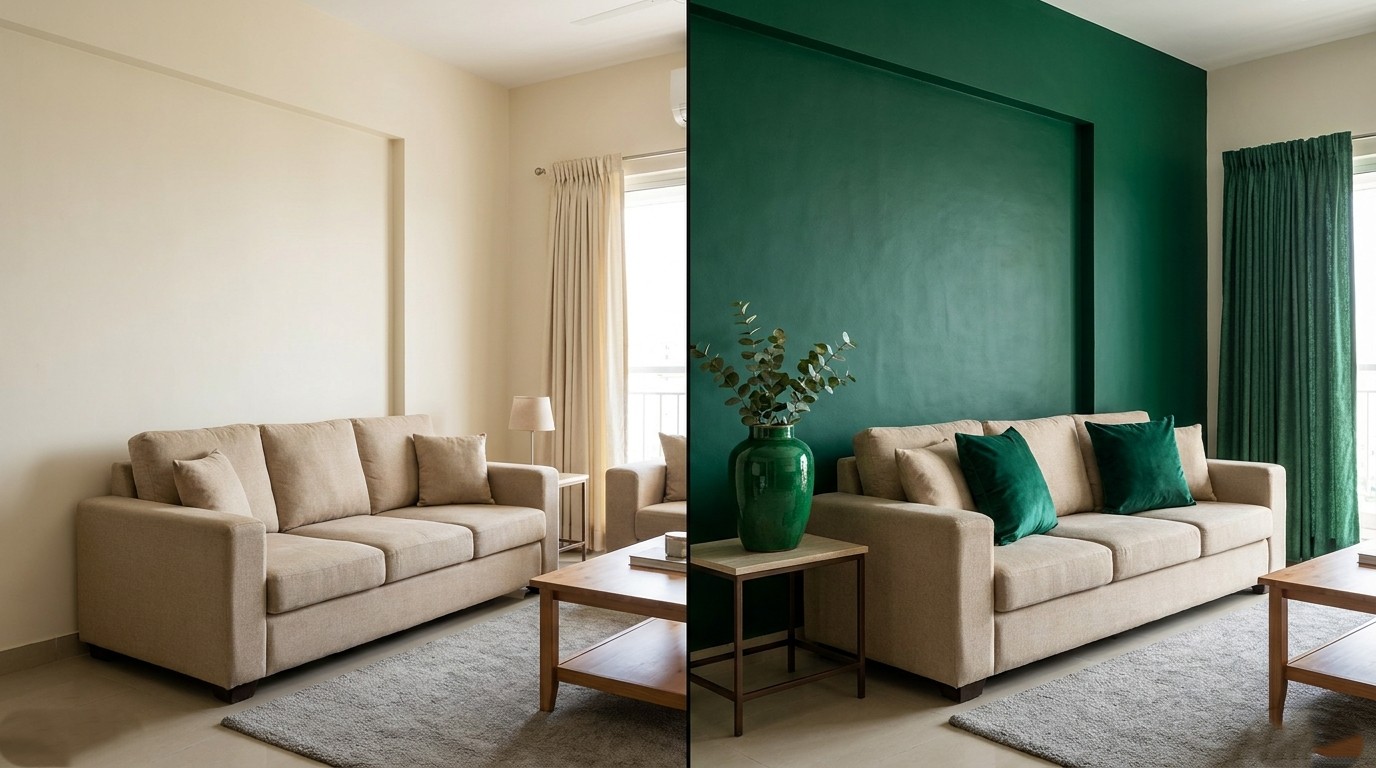
Living Room — Deep Emerald Green The before version had a beige sectional, beige walls, and a beige rug — visually correct, but with zero focal point. The after version kept the same sofa but layered in emerald velvet cushions and painted a single feature wall behind the sofa in deep emerald. Nothing else changed. The room instantly had a place for the eye to land.
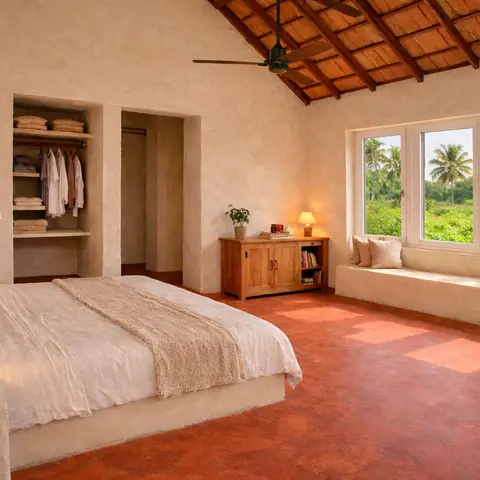
Bedroom — Deep Terracotta-Rust A plain cream bedroom became warm and grounded the moment the headboard wall was upholstered in a deep terracotta fabric panel. The cream bedding stayed exactly the same — it was the one wall that did all the work.
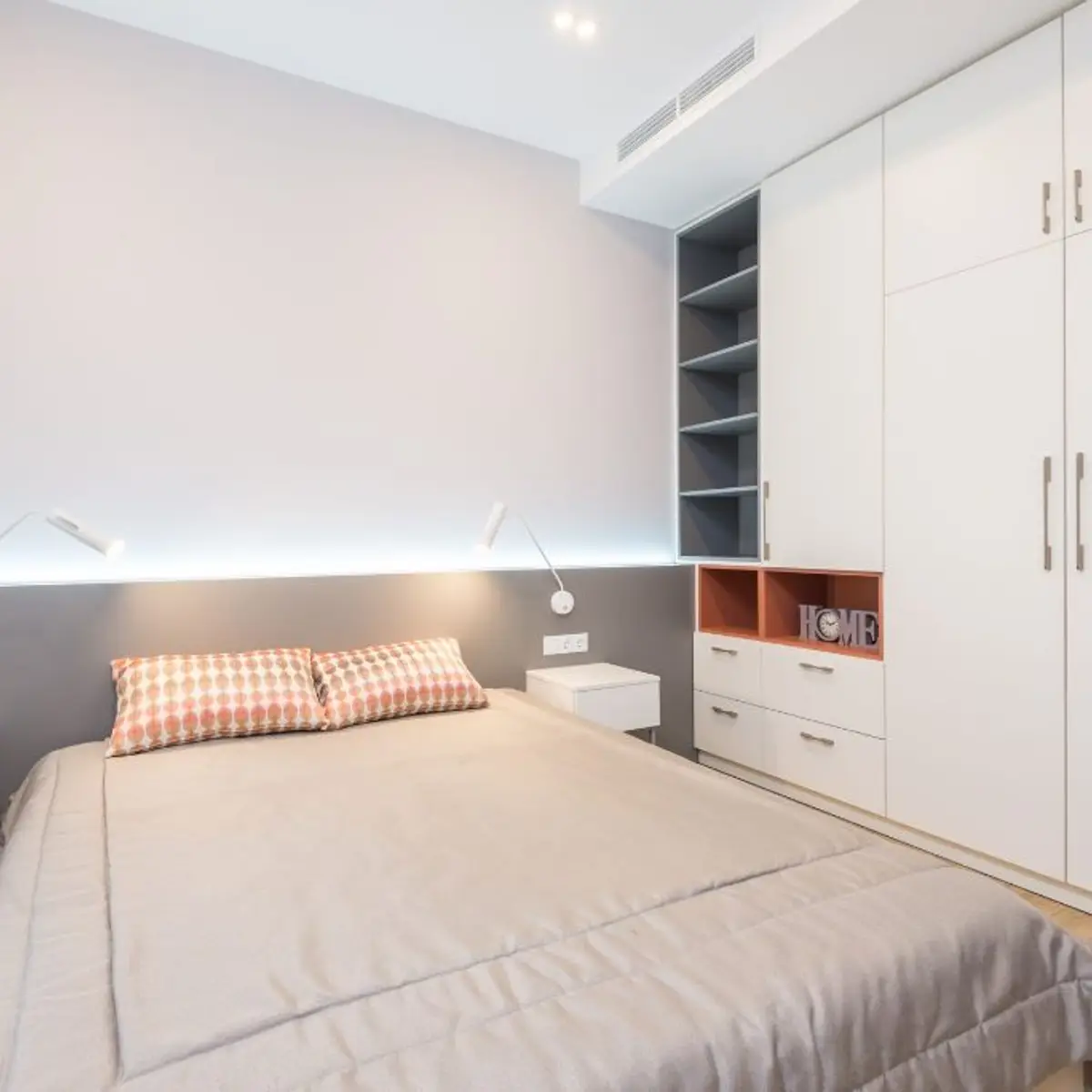
TV Wall — Deep Navy Blue This is the clearest example. A flat white wall with a TV mounted on it and a visible cable is, frankly, what most Indian living rooms look like today. Cladding that same wall in a navy wood panel with hidden LED backlighting turned an afterthought into the room's centerpiece — without moving the television an inch.
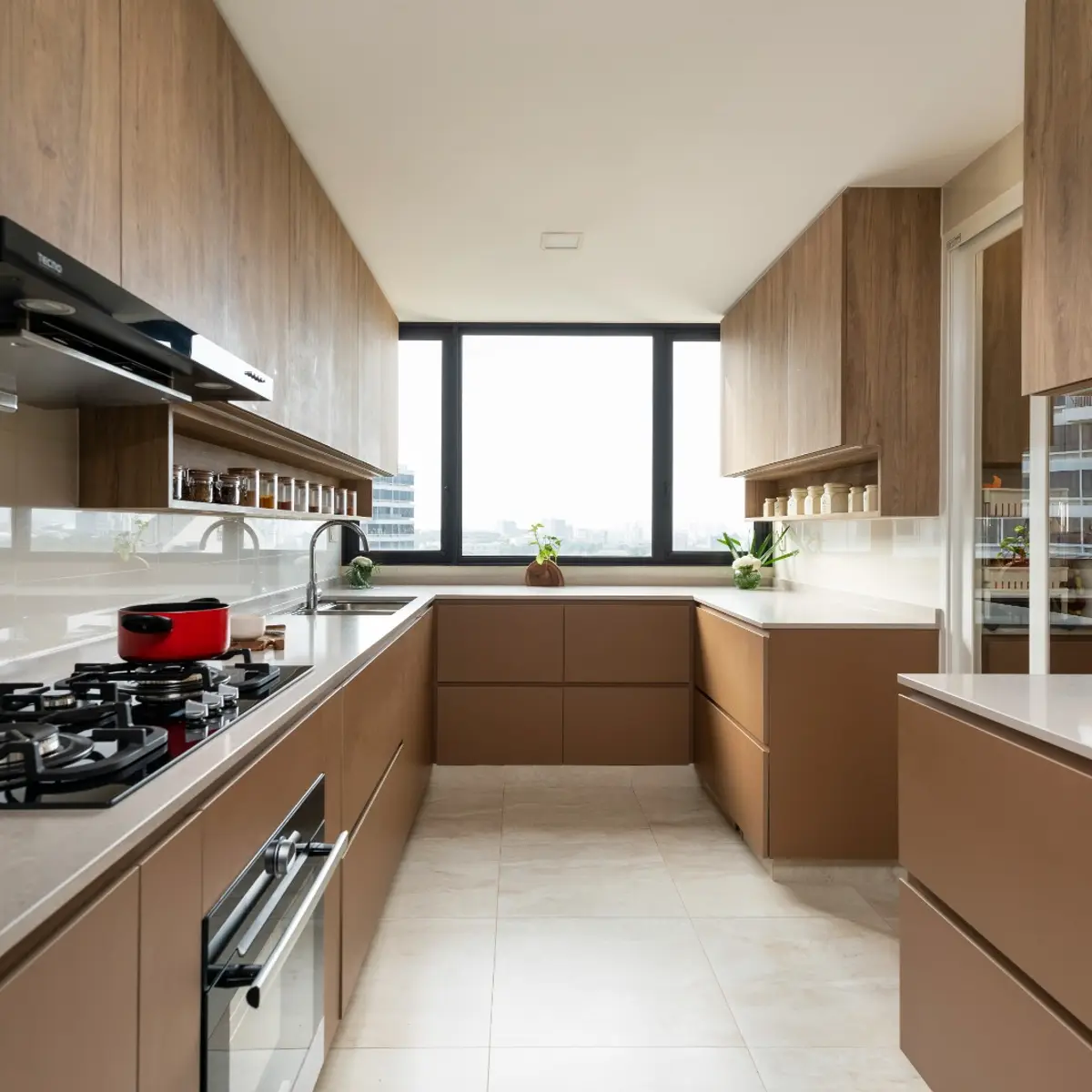
Balcony — Vibrant Mustard Yellow The most neglected space in any Indian apartment got the most dramatic transformation. A bare grey balcony with a plastic chair became a usable, photogenic corner the moment mustard yellow entered through a cushion, a rug, and a lantern.
Why This Works (The Short Version)
Designers call this "color anchoring." The human eye is drawn to contrast before it's drawn to anything else in a room — color, light, or texture. When everything in a space sits in the same narrow tonal range, there's nothing for the eye to focus on, so the brain reads the whole room as "background noise" rather than "a designed space."
One bold color — used deliberately on a single wall, a set of cushions, or a key piece of furniture — gives the eye exactly one place to land. Everything else in the room then supports that focal point instead of competing with it. This is also why a single accent color almost always outperforms "adding more stuff." You don't need new furniture. You don't need a full renovation. You need one decision, made confidently.
How to Apply This in Your Own Home
If you're staring at a beige room right now, here's the order to think in:
Pick one wall, not the whole room. A feature wall behind a sofa or bed does more work than repainting four walls.
Choose a color with depth — emerald, navy, terracotta, mustard, deep plum. Avoid pastels if your goal is contrast; pastels tend to blend rather than anchor.
Repeat the color in one or two small places — a cushion, a vase, a lamp base — so it doesn't feel isolated to one wall.
Keep everything else neutral. The whole point of an accent color is that it's the only loud thing in the room.
The Real Lesson
Most homeowners think a renovation means changing everything. Often, it means changing one thing — correctly. A single confident color decision, applied to the right surface, can make a finished-but-flat home feel intentional and alive.
If you're not sure where that one wall should be, or which color actually suits your space's light and layout, that's exactly the kind of decision a designer earns their fee for.
Want a real estimate for your home?
Share your home in 2 minutes. We'll match you with verified designers in your city and give you a BOQ-level estimate before any work begins.
Share your home →