5 Design Tricks That Make a Small Room Look Twice Its Size
Stop staring at your floor plan. These 5 designer-approved tricks use light, color, and smart structural placement to visually expand any cramped apartment room in minutes.
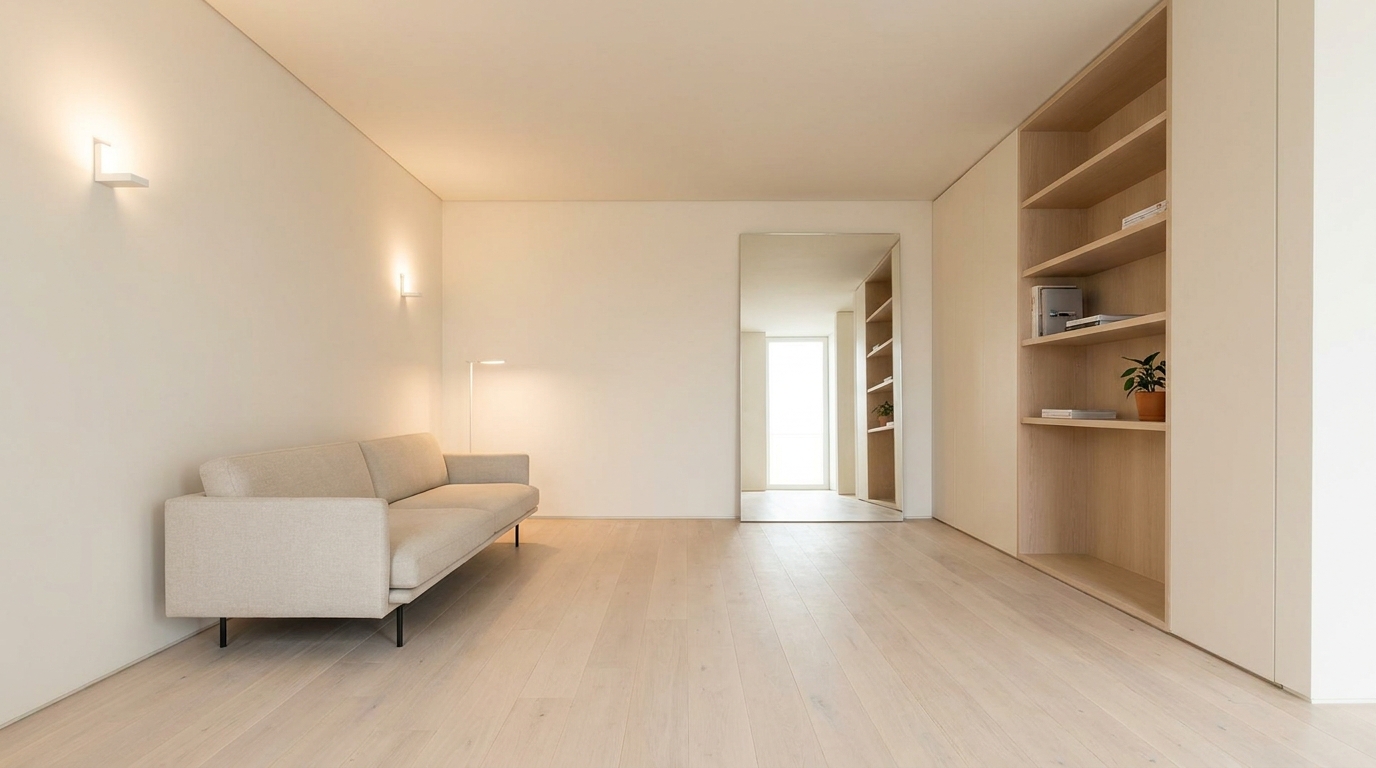
If you've ever stood in a 250 sq. ft. bedroom in a Gurgaon high-rise and wondered how to fit a bed, a wardrobe, and your sanity into it, you're not alone. Most homes in Delhi NCR especially newer apartments are built efficient, not expansive. The good news: square footage isn't the only thing that decides how big a room feels. A few smart design choices can make a small room feel noticeably more open, without knocking down a single wall.
Here are five tricks our verified HeyBuddy designers use again and again.
1. Let the Walls and Ceiling Disappear
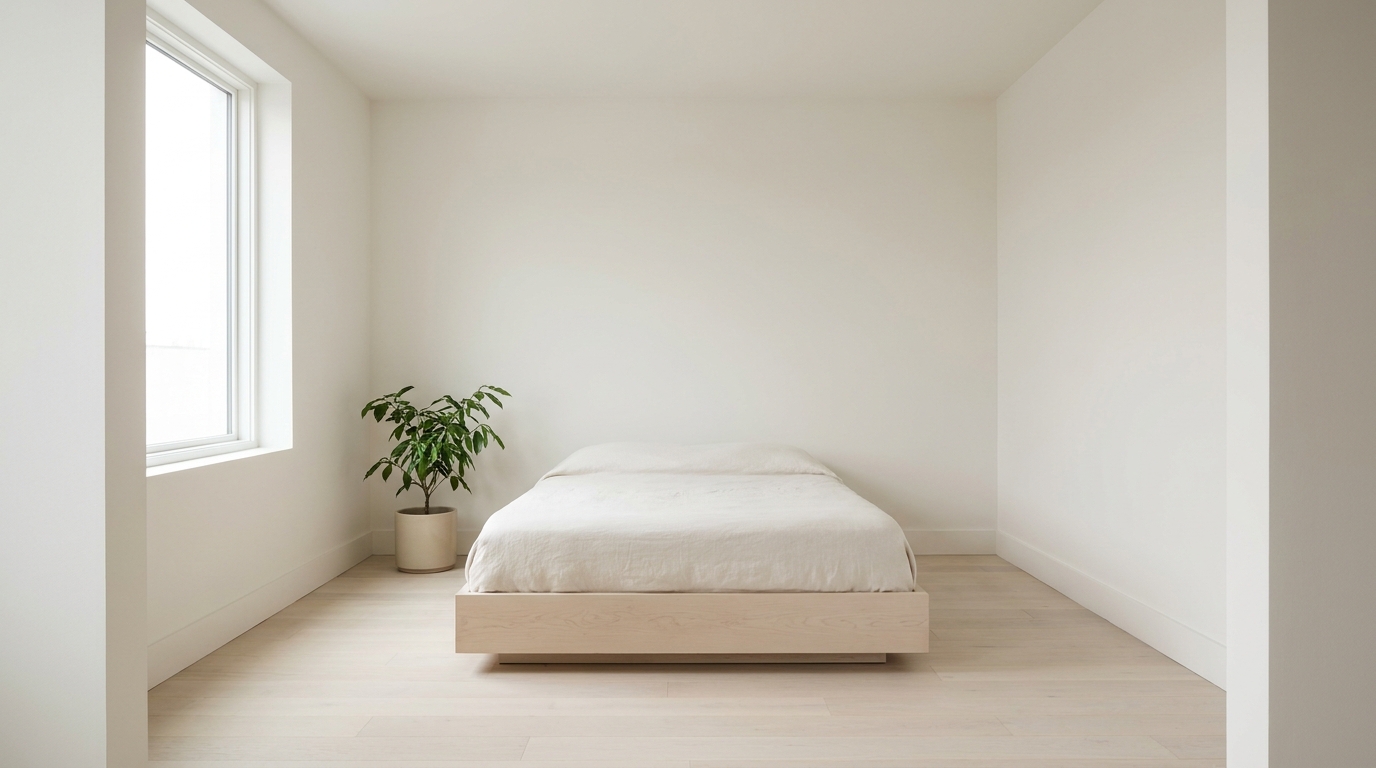
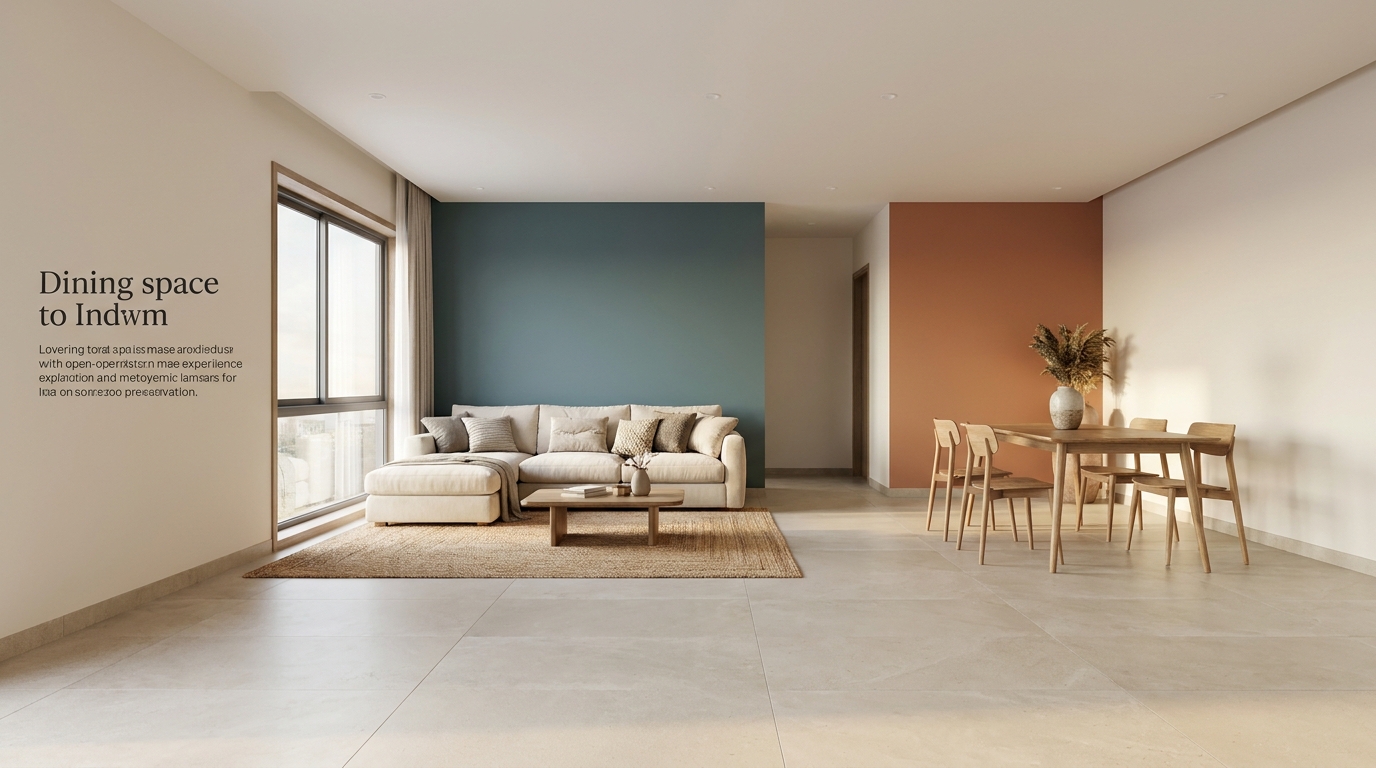
The fastest way to shrink a room visually is to break it up with too many colors. Dark skirting, a contrasting ceiling, an accent wall in a different shade each line where one color meets another tells your eye "this is where the room ends."
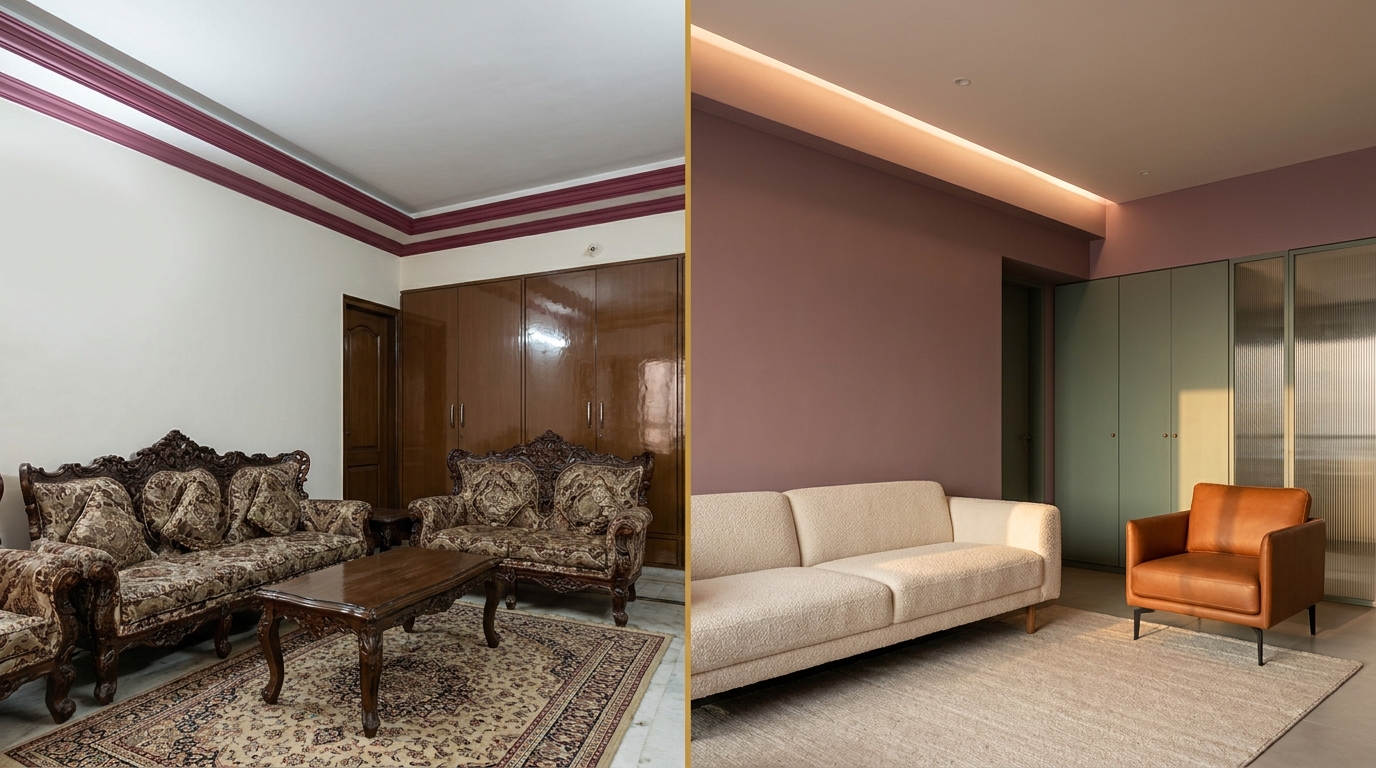
Flip that. Paint walls, ceiling, and even skirting boards in the same soft, light tone — think warm white, soft sand, or a pale greige. With no visual stopping points, the eye reads the room as one continuous volume instead of four separate walls boxing you in. If you want a pop of personality, save it for accessories, not architecture.
2. Choose Furniture That Floats
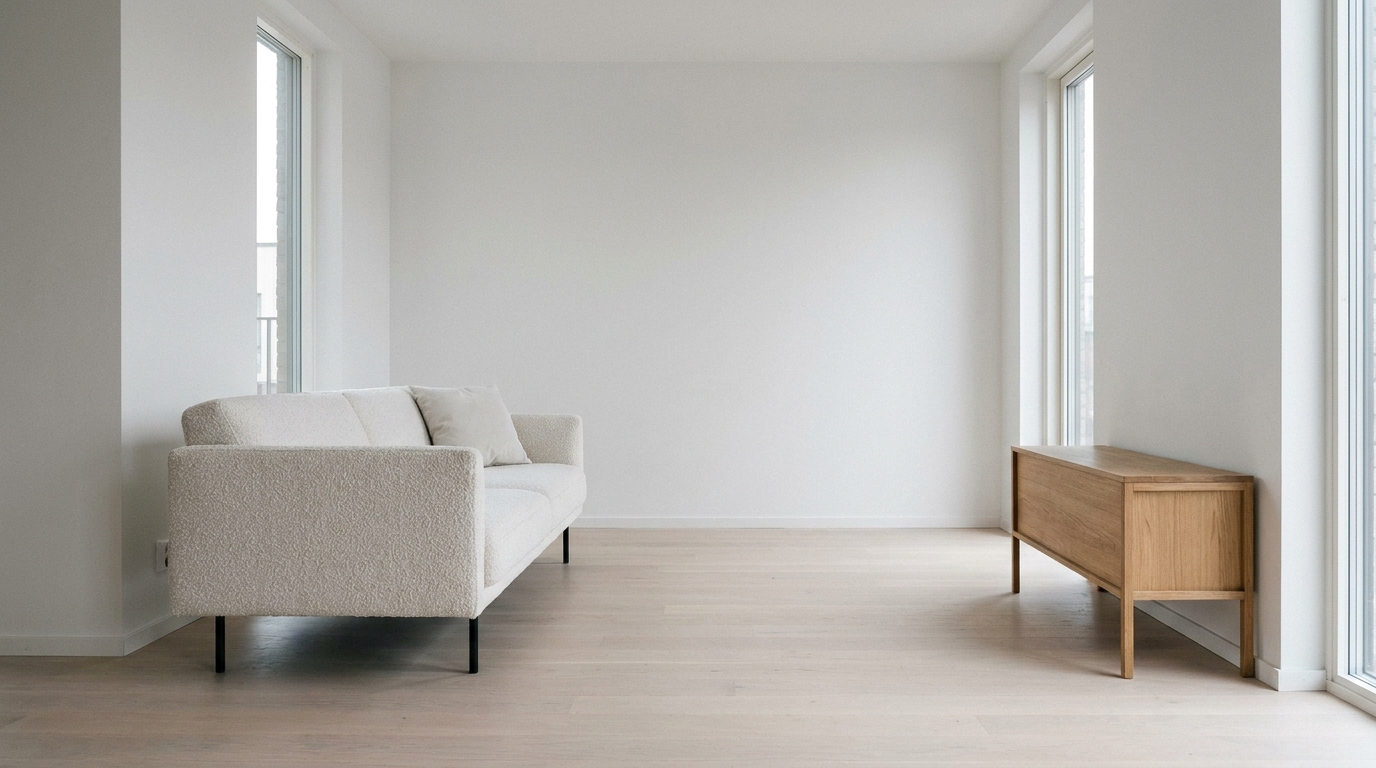
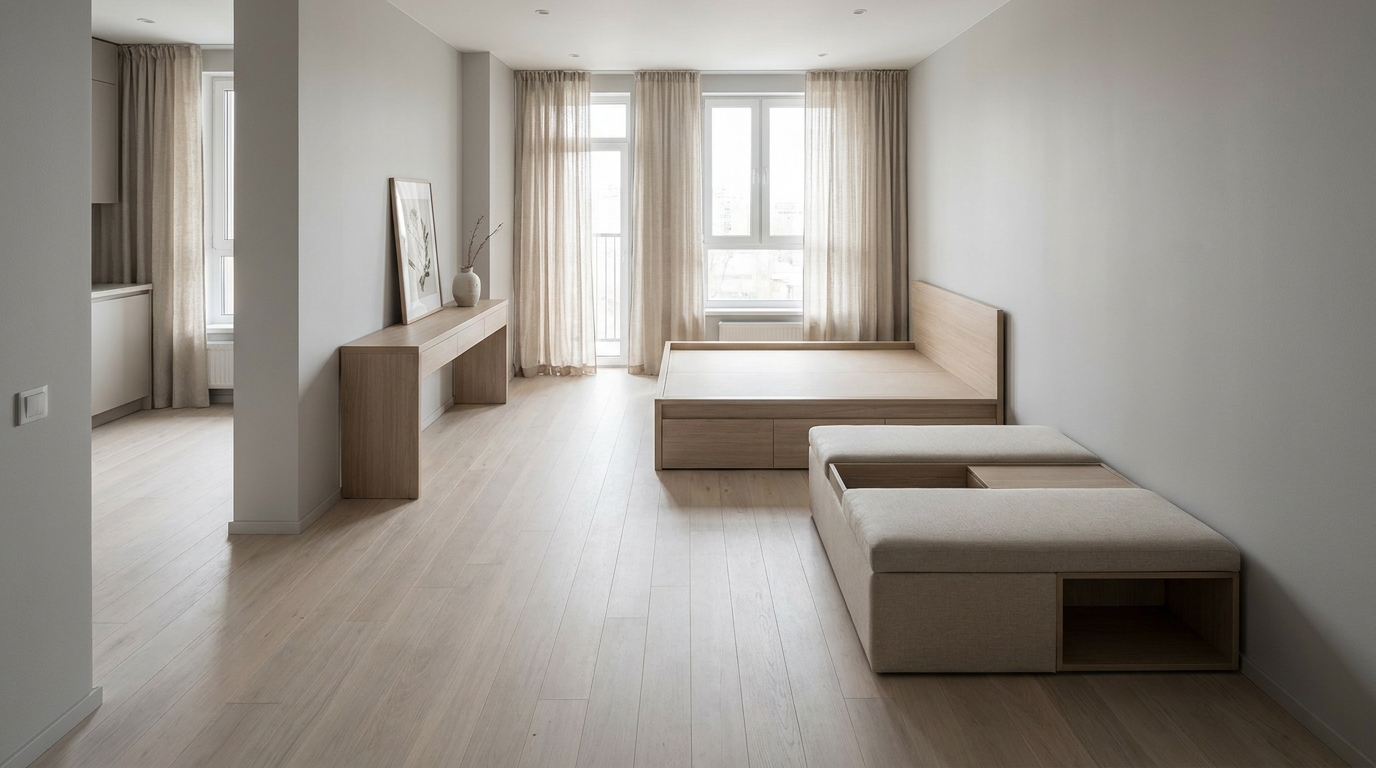
Bulky furniture sitting flush on the floor creates a wall of visual weight at eye level, and your brain reads that as "full room." Furniture with exposed legs sofas, beds, console tables lets light and floor pass underneath, so you can actually see more of the floor space that exists.
This is also why built-in storage with a slightly raised base, or open shelving instead of solid cabinet fronts, tends to make small kitchens and living rooms feel more breathable. The goal isn't less furniture it's furniture that doesn't block your sightline to the floor.
3. Use One Large Mirror, Not Several Small Ones
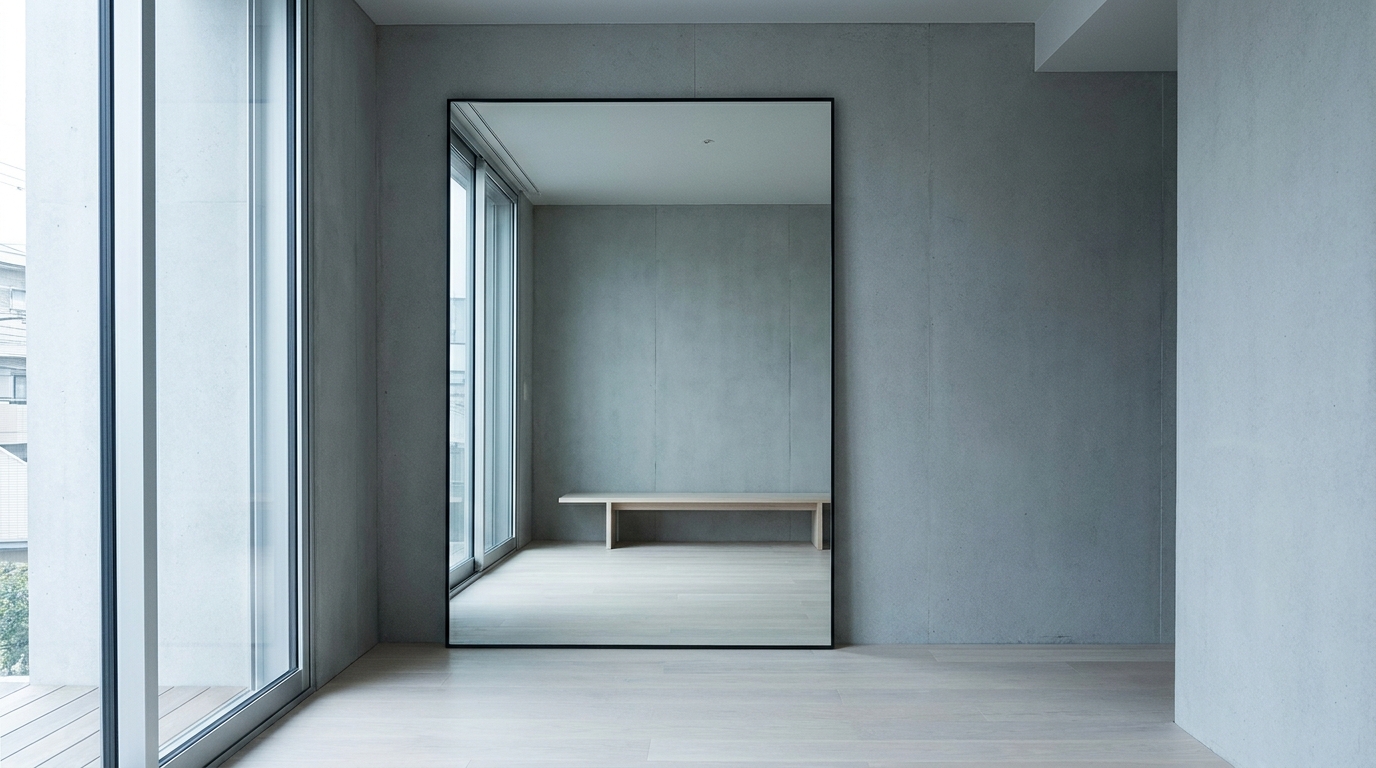
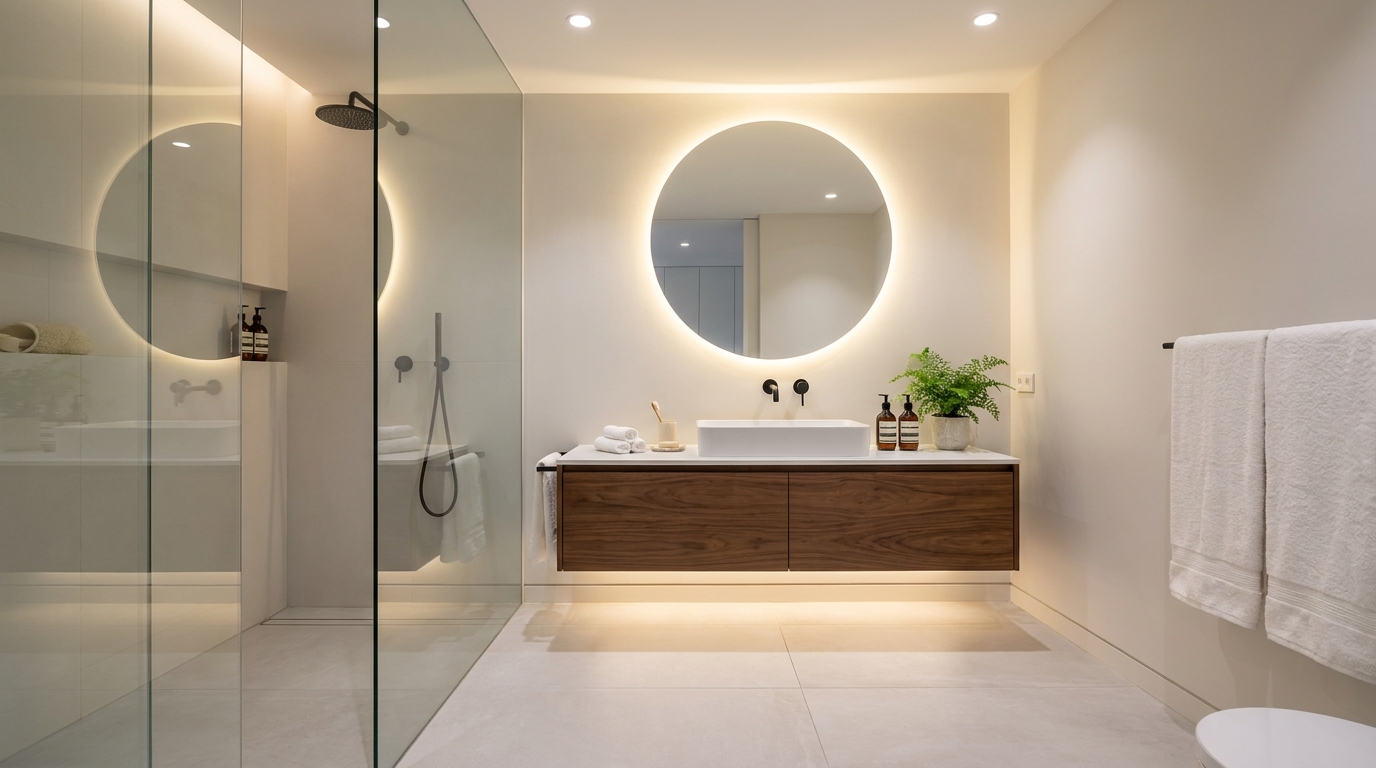
A well-placed mirror is the closest thing to a free renovation. Position a single large mirror opposite a window or a light source, and it doubles the perceived depth of the room by reflecting light and view back into the space.
The mistake most people make is hanging a cluster of small decorative mirrors instead. That reads as decoration, not illusion it draws attention to itself rather than expanding the room. One oversized mirror, ideally floor-to-ceiling or close to it, does far more work than five small ones.
4. Go Vertical with Storage
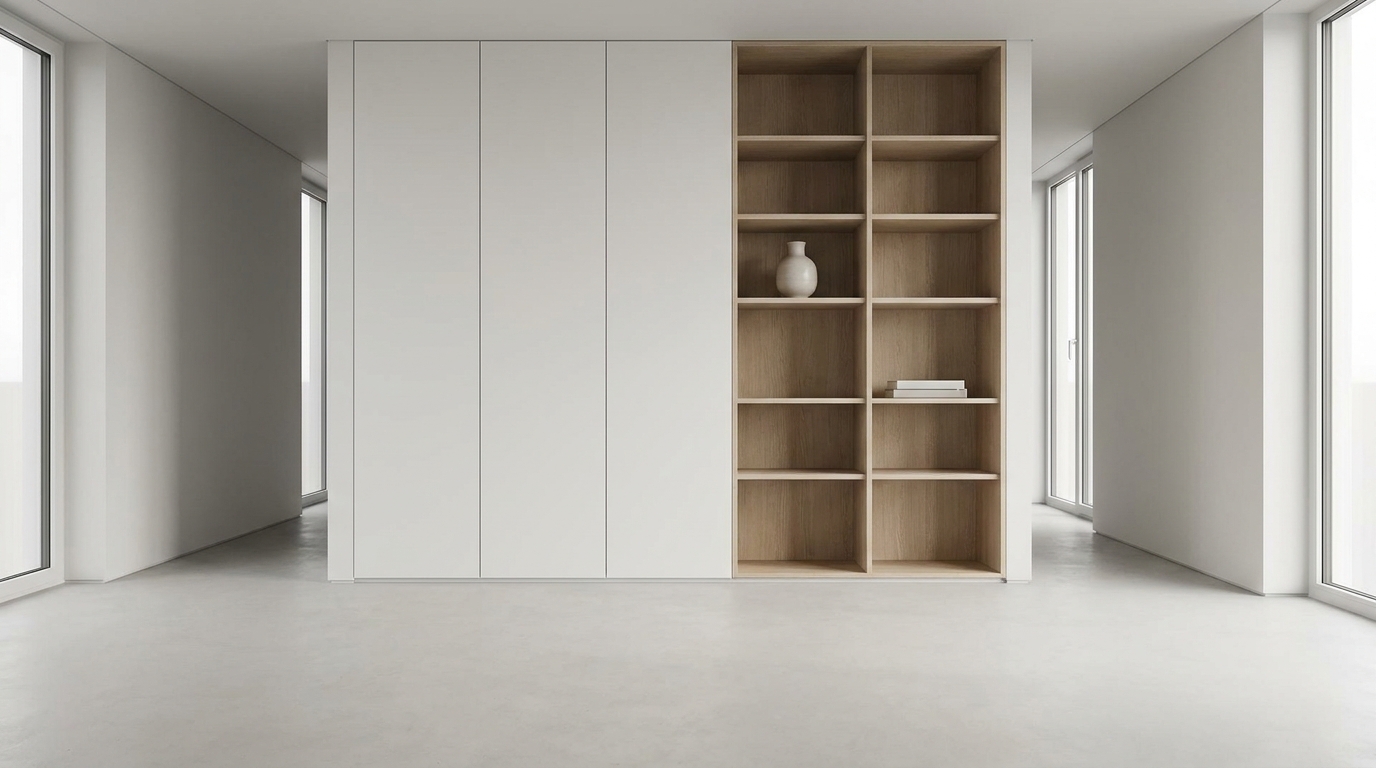
Small rooms tend to get cluttered fast, and clutter is the single biggest size-killer in design. Instead of spreading storage across the floor extra shelves, baskets, a second wardrobe push it upward. Tall, narrow wardrobes and ceiling-height shelving use wall space that's otherwise wasted, while keeping the floor area clear.
The floor you can see is the floor your brain counts as "the room." Every basket, ottoman, or extra side table sitting on it is silently shrinking your space.
5. Layer Light Instead of Relying on One Bulb
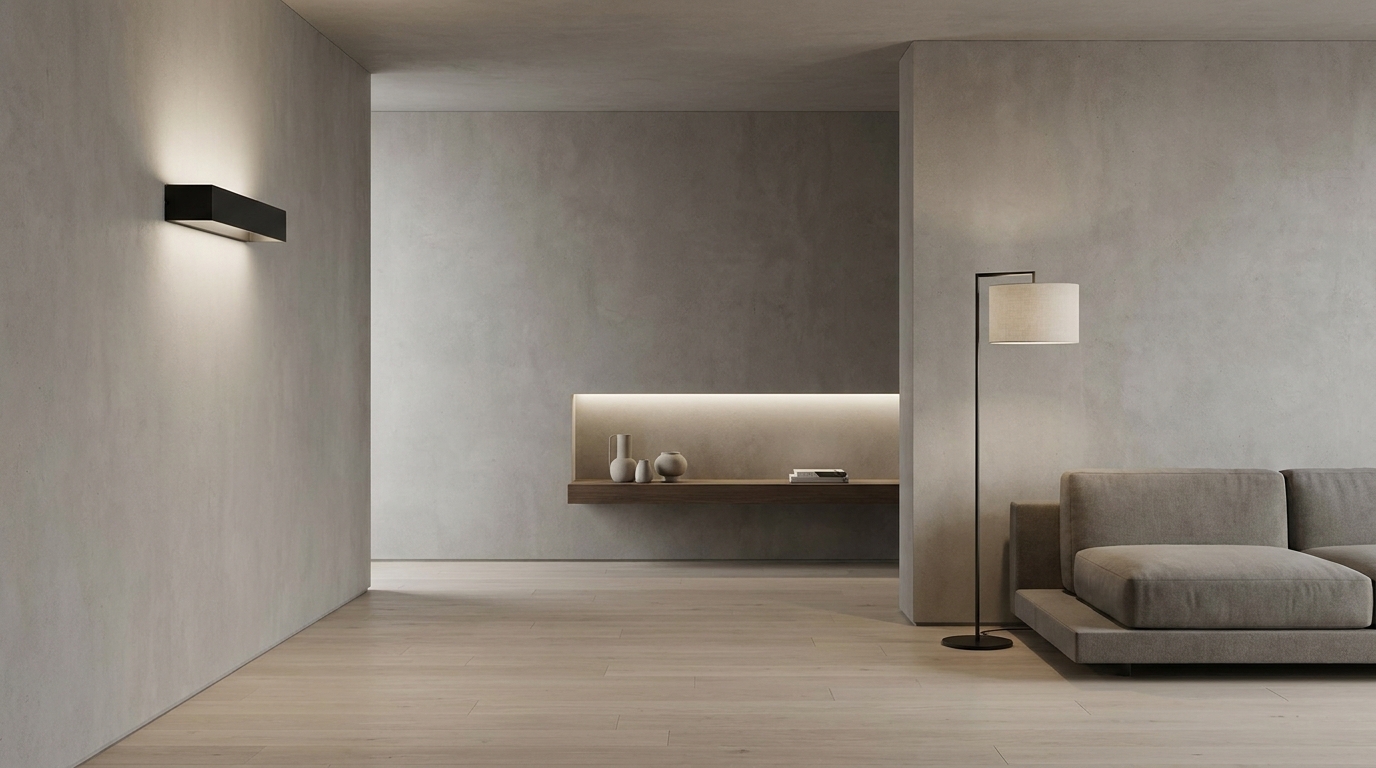
A single centered ceiling light creates one pool of bright light surrounded by shadow and shadow reads as smaller, enclosed space. Layering light sources (a wall sconce, a floor lamp, under-cabinet strip lighting) spreads brightness more evenly across the room, pushing shadows to the edges instead of the middle.
Warm, even lighting also makes a room feel calmer and more finished, which matters just as much as the actual square footage when it comes to how "big" a space feels to live in.
None of these tricks require breaking a wall or adding square footage they just require knowing where to put light, color, and furniture so your existing space works harder for you. That's exactly the kind of detail our verified designers plan for from day one, matched to your budget and your city.
Want a real estimate for your home?
Share your home in 2 minutes. We'll match you with verified designers in your city and give you a BOQ-level estimate before any work begins.
Share your home →