4 Indian Rooms Transformed With Just One Accent Color
How to take your space from "finished but boring" to professionally designed using a single bold hue—no major renovations required.
4 Indian Rooms Transformed With Just One Accent Color
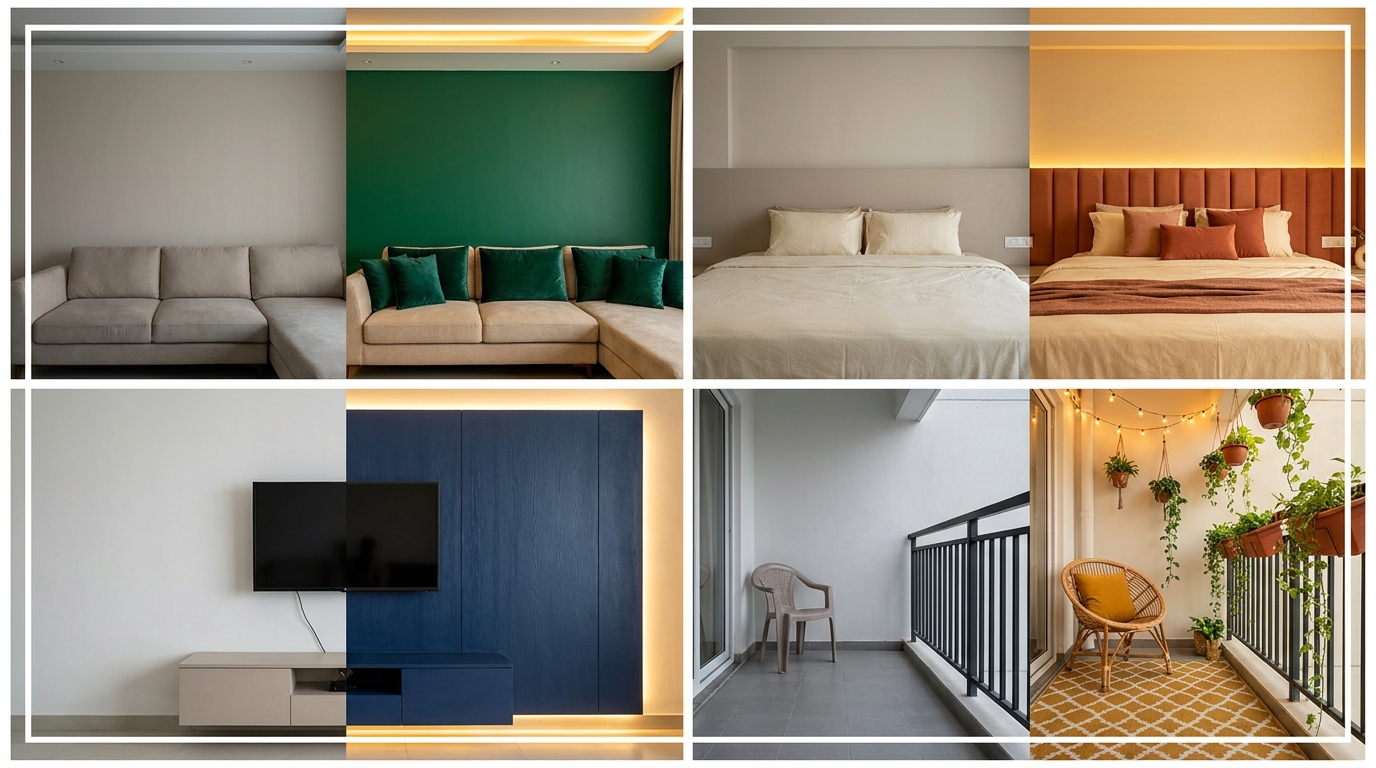
You don't need a full renovation to make a room feel designed. Sometimes you just need to stop being afraid of color. Below are four real before-and-after comparisons where the only change is the introduction of a single bold accent color.
Use this as a reference the next time you're staring at a "finished but boring" room in your own home.
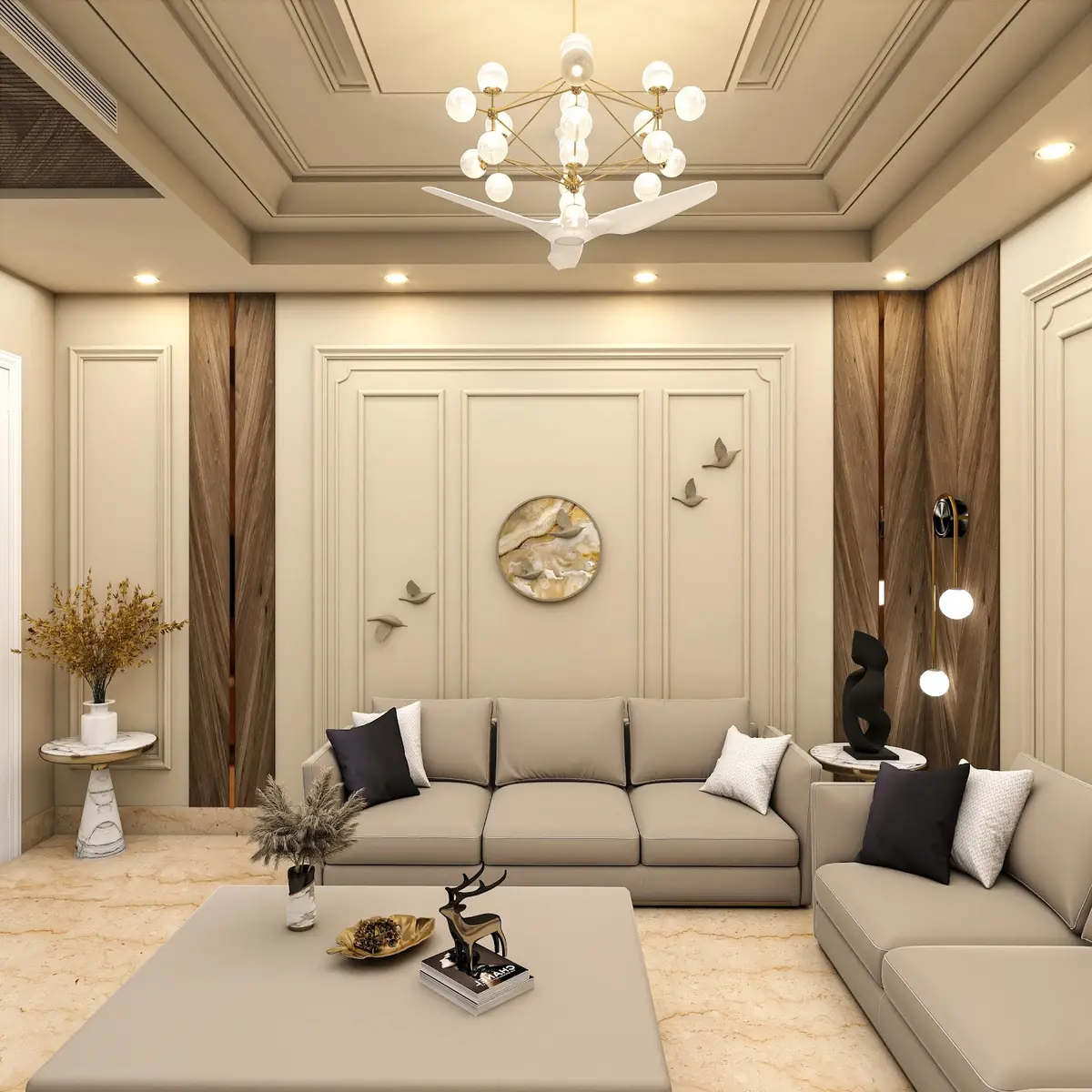
1. Living Room: Beige Sectional → Emerald Green Feature Wall
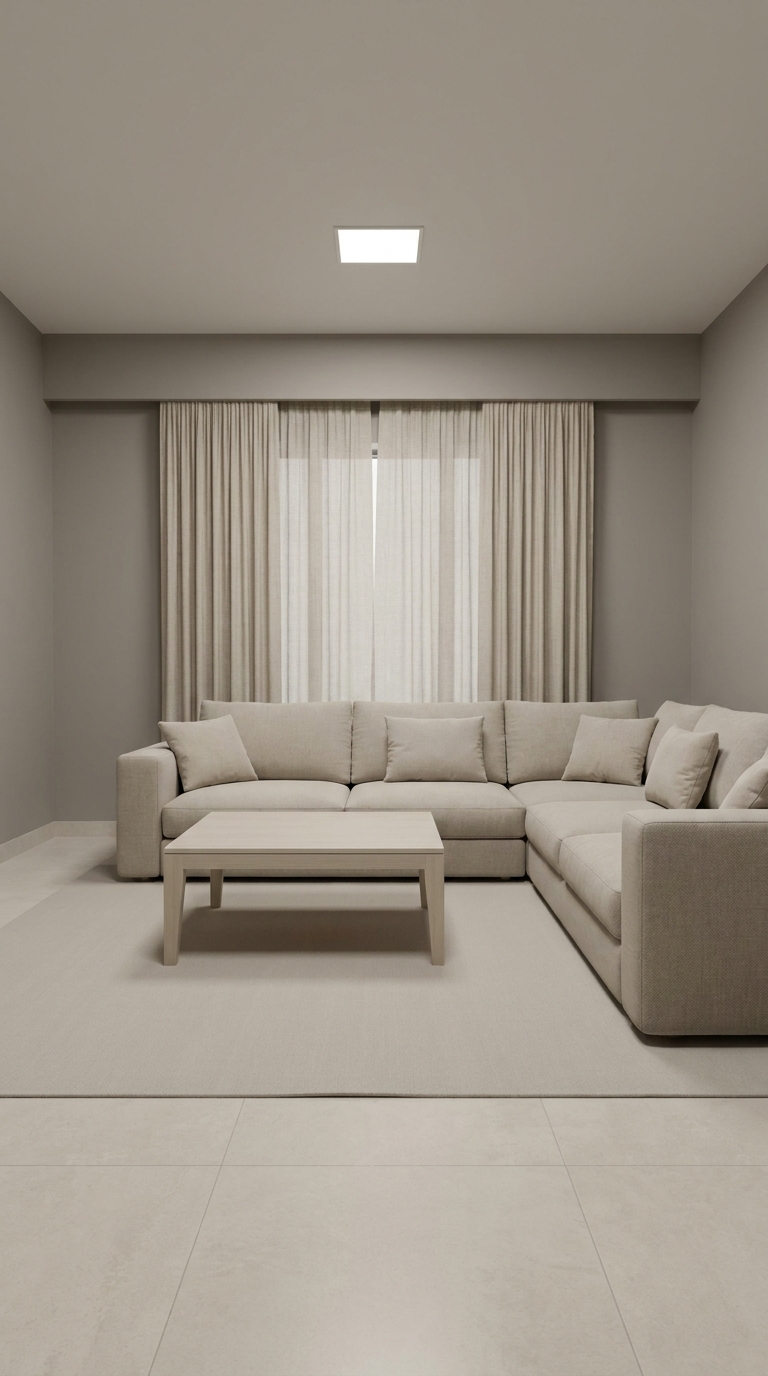
Before: A beige sectional sofa, beige walls, beige rug, and a single overhead light. Functional. Forgettable.
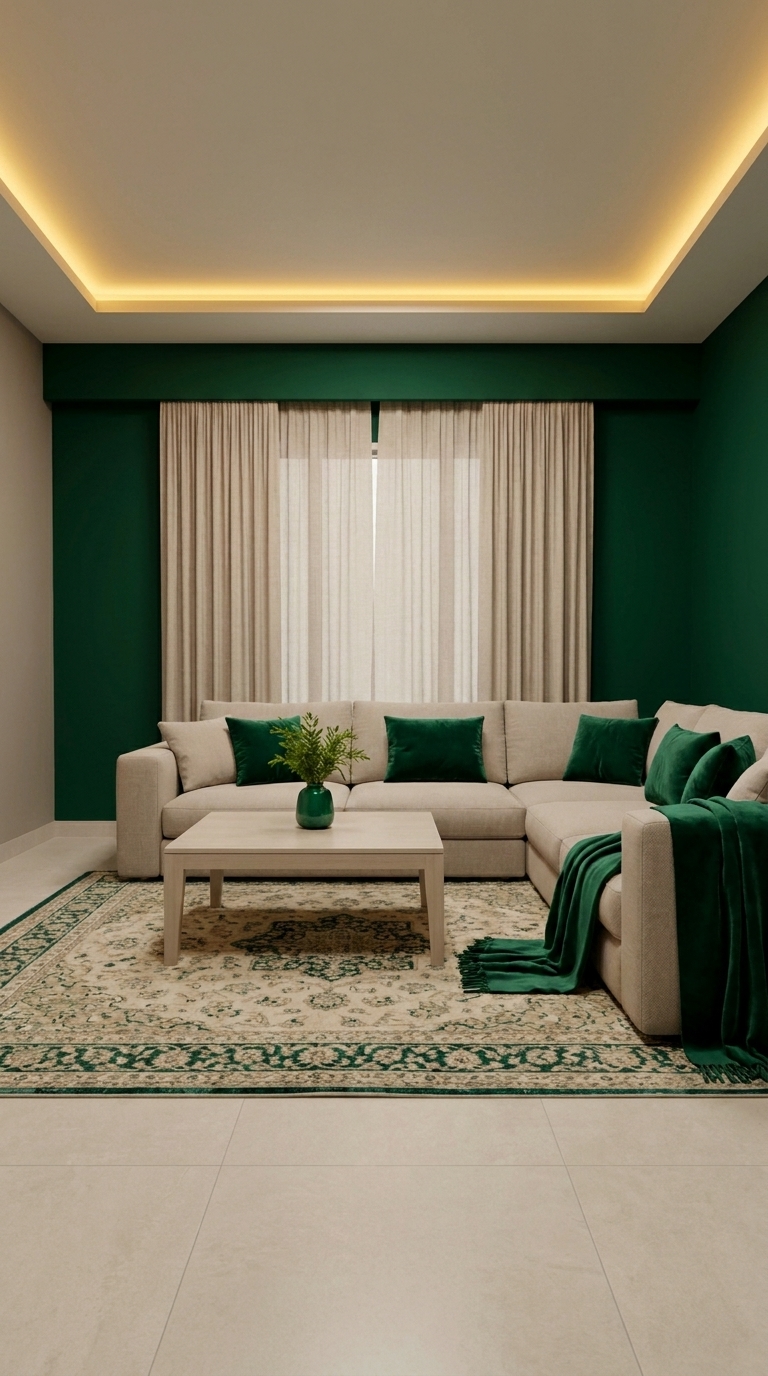
After: The same sofa, now layered with deep emerald velvet cushions and a throw. One wall behind the sofa repainted in emerald green. Warm cove lighting added along the ceiling perimeter.
What actually changed:
- One feature wall (paint only — no construction)
- A set of cushions and a throw
- Ceiling lighting upgraded from flat to layered
Why it works: Emerald green is dark enough to anchor the eye without making the room feel smaller — a common myth about dark colors in small Indian living rooms. Used on one wall behind the seating, it frames the sofa like a piece of furniture rather than swallowing the room.
Budget tip: This is achievable with paint and soft furnishings alone. No carpentry required.
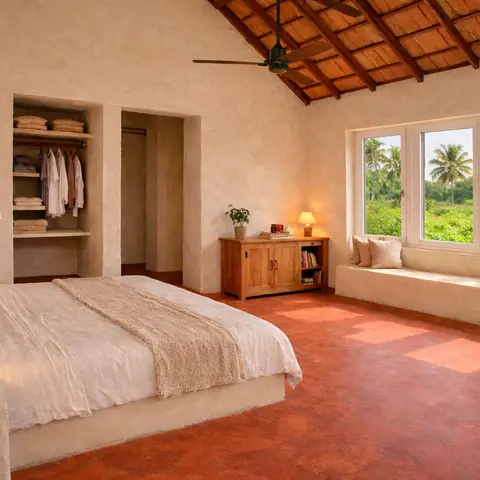
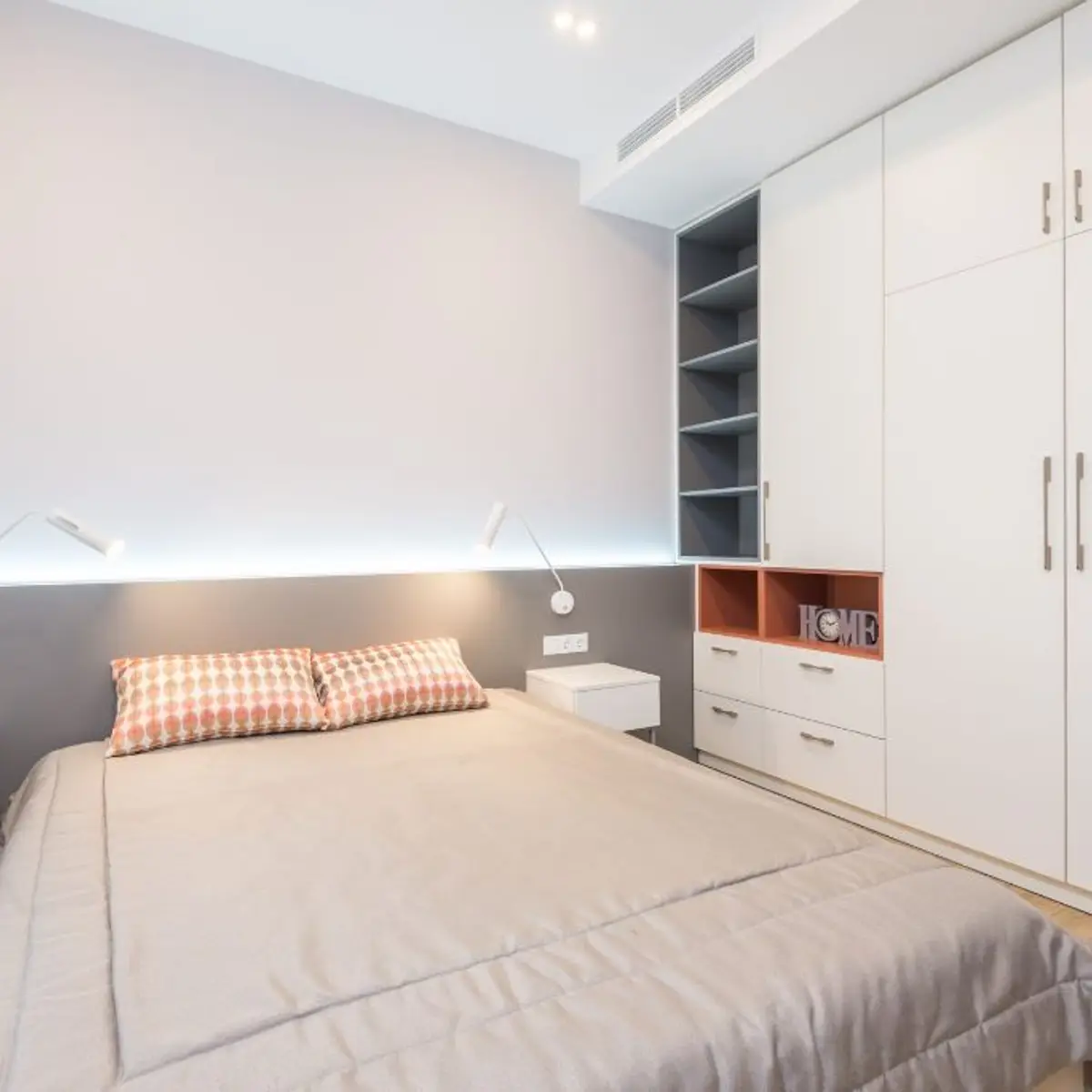
2. Bedroom: Plain Cream → Terracotta Upholstered Headboard
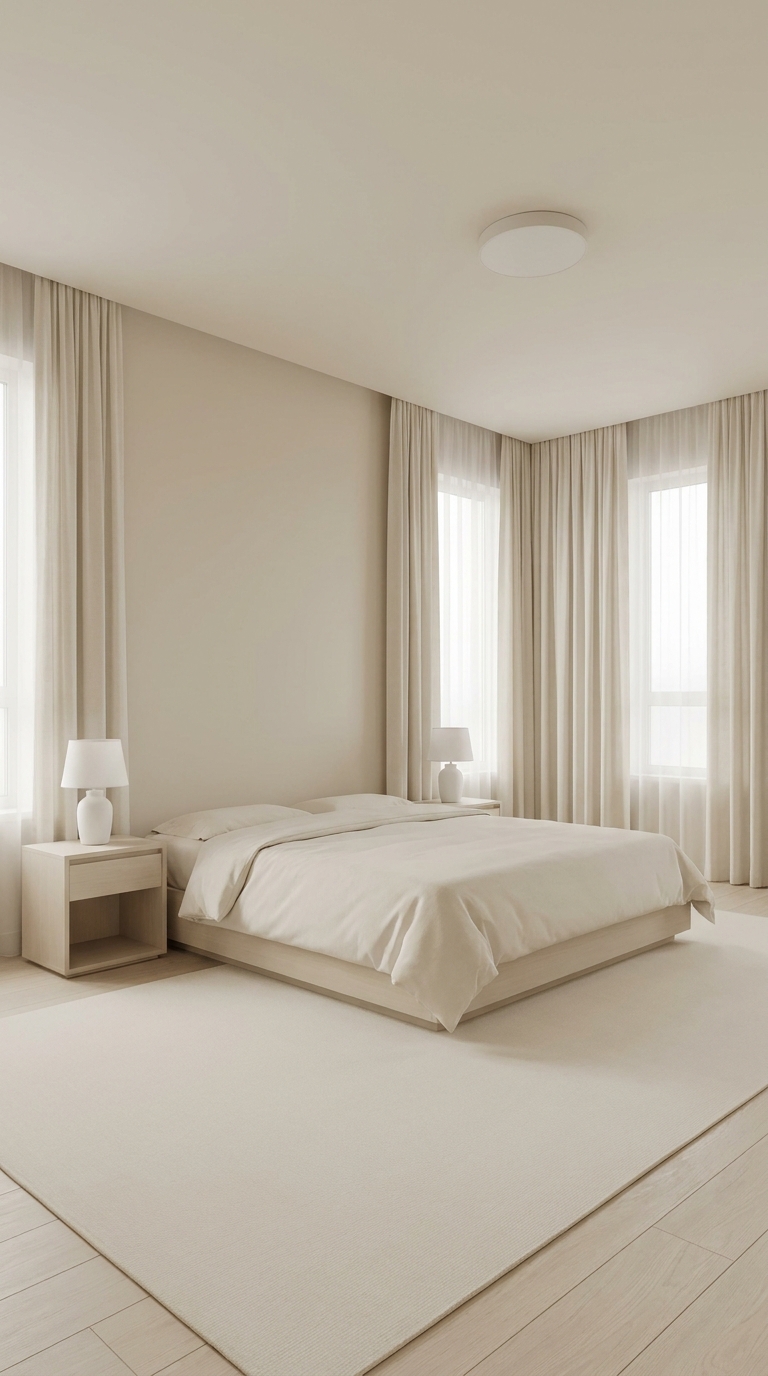
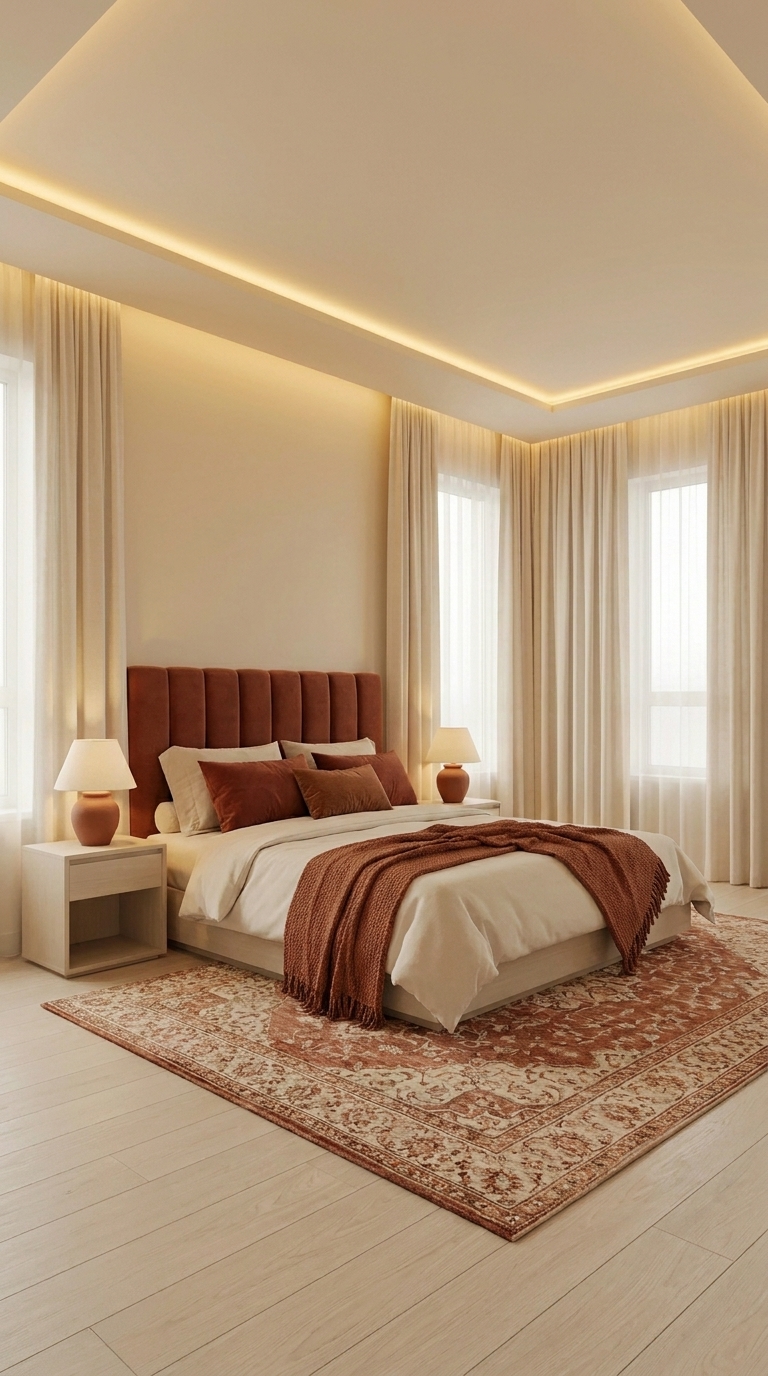
Before: Cream bedding, plain beige headboard wall, white lamps, flat overhead lighting. Calm, but lifeless.
After: Same cream bedding base, now with terracotta cushions and a rust-toned throw. The headboard wall upholstered in a channel-tufted terracotta fabric panel. One lamp base swapped for a terracotta ceramic.
What actually changed:
- One upholstered headboard panel
- Two-three cushions and a throw
- One lamp base
Why it works: Terracotta reads as warm and grounding rather than loud — ideal for a bedroom, where the goal is comfort, not drama. The upholstered panel also adds a soft, tactile texture that a flat painted wall can't deliver.
Budget tip: An upholstered headboard panel is one of the highest-impact, lowest-cost additions you can make to a bedroom — it changes the entire feel of the room from a single wall.
3. TV Wall: Plain White Wall → Navy Wood Panel
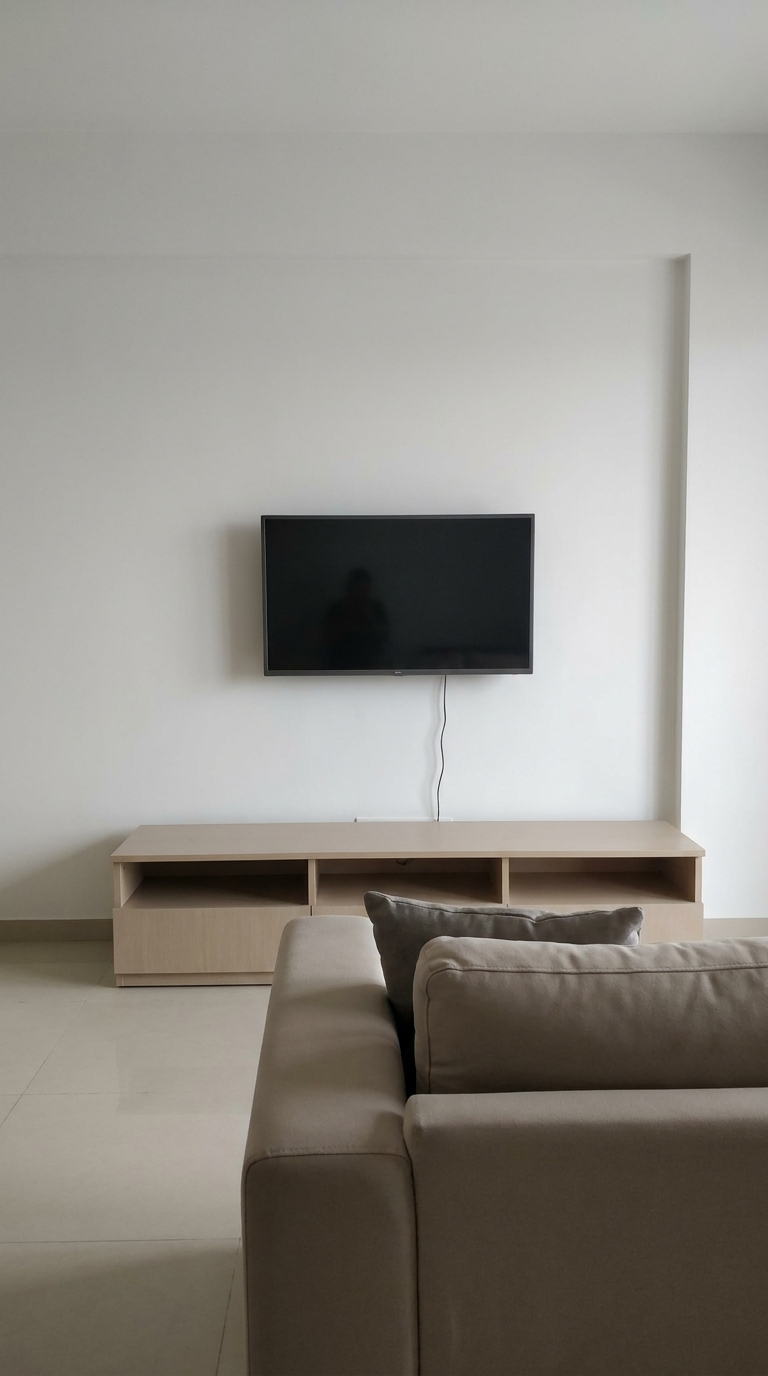
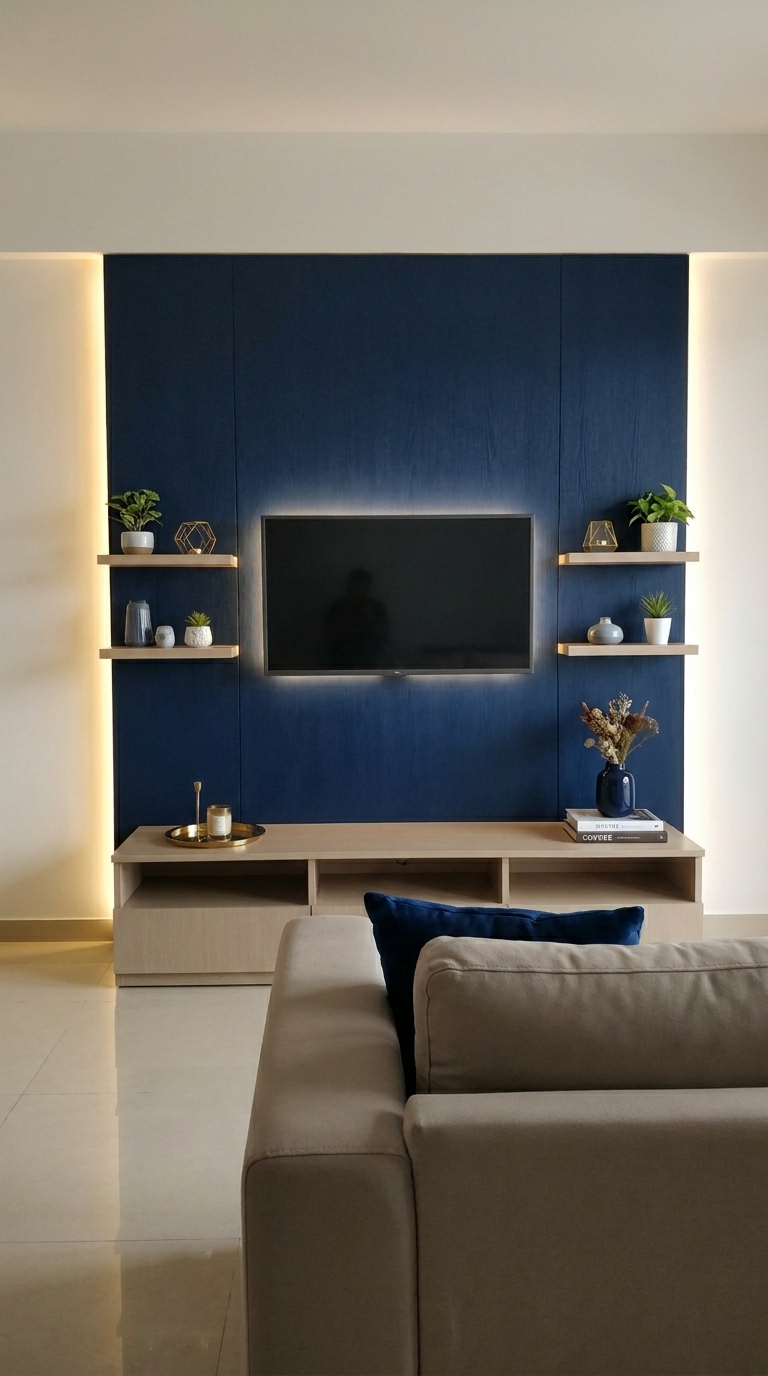
Before: A flat white wall, TV mounted directly on it, a visible cable running down to a plain beige media console. This is what the majority of Indian living rooms look like today.
After: The same wall now clad in a textured navy blue wood panel, floor to ceiling, with the TV flush-mounted and zero visible wires. Two floating shelves added on either side. Warm LED strip lighting installed behind the panel.
What actually changed:
- One wood panel installation (this one does involve carpentry)
- Wire concealment
- Two floating shelves
- Hidden LED backlighting
Why it works: The TV wall is the wall every guest faces and every photo is taken in front of. It's also the wall most homeowners do the least with — usually just the TV and a bracket. Cladding it in a dark, saturated color with hidden lighting turns the most-looked-at wall in the house into the room's actual design statement.
Budget tip: If a full panel isn't in budget, even a single coat of navy paint behind the TV with two added shelves gets you 70% of this effect.
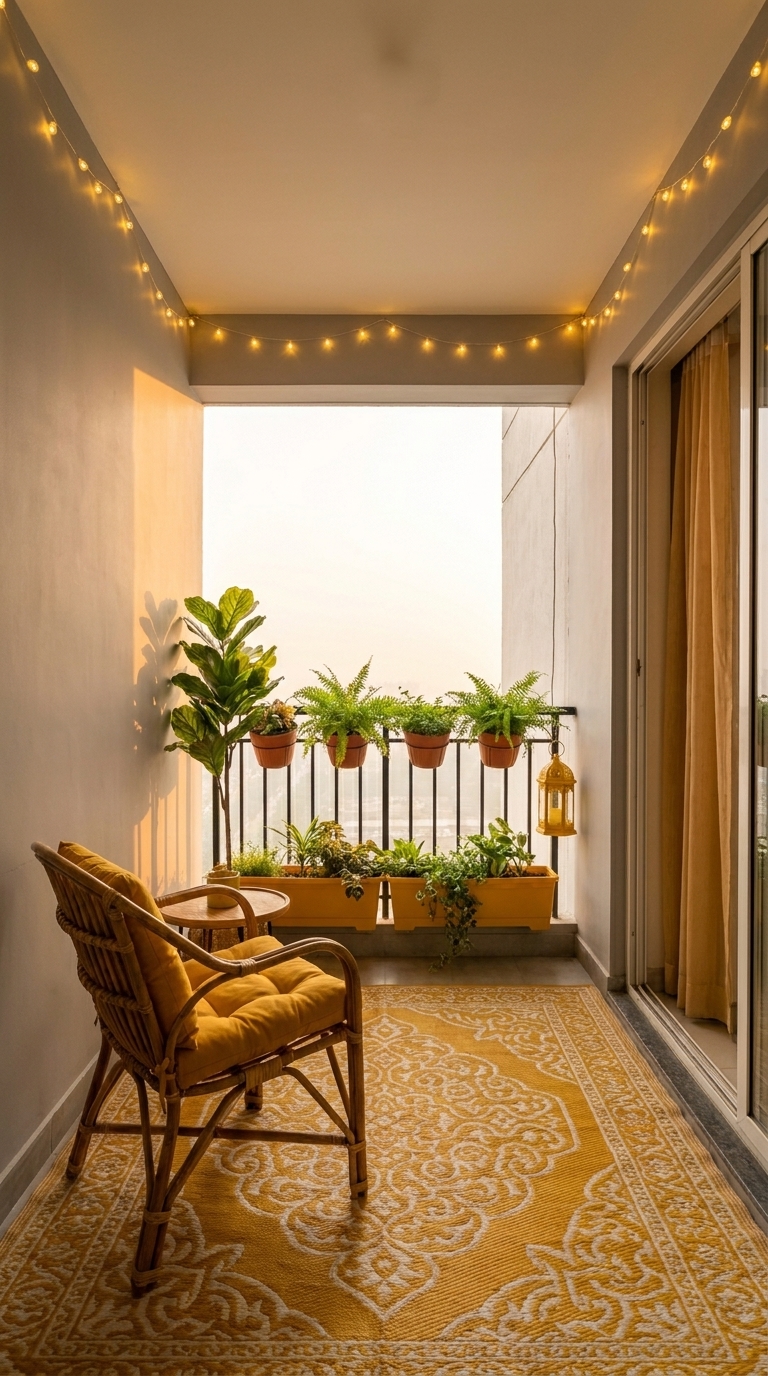
4. Balcony: Bare Grey Corner → Mustard Yellow Lounge
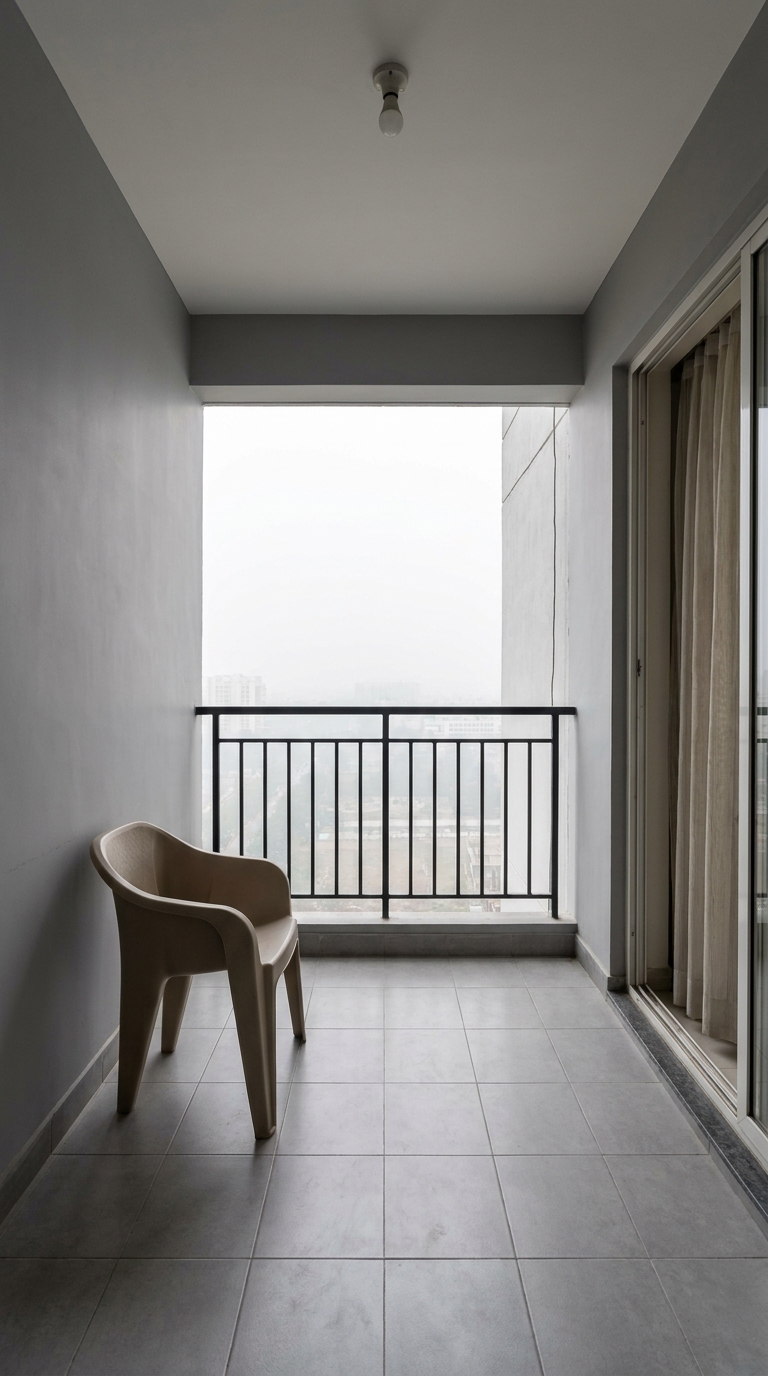
Before: Grey tile, a plain plastic chair, a bare black railing, no plants, no lighting. The most neglected space in almost every Indian apartment.
After: The same grey tile, now layered with a mustard and cream patterned outdoor rug. The plastic chair replaced with a rattan chair with a mustard cushion. Hanging terracotta planters with trailing greens added to the railing. Warm string lights installed along the ceiling edge.
What actually changed:
- One outdoor rug
- One seating piece
- Planters and greenery
- String lighting
Why it works: Balconies in Indian homes are almost always treated as storage space by default, not living space. Mustard yellow signals "this is a place to sit," not "this is where we keep the extra chair." Combined with greenery and warm lighting, the smallest space in the home becomes the most photographed.
Budget tip: This entire transformation is furniture and accessories only — zero structural work, making it the fastest and cheapest room on this list to actually complete.
The Pattern Across All Four Rooms
Notice what stayed constant in every single example:
- The furniture didn't change
- The layout didn't change
- The budget-heavy items (sofa, bed, sectional) stayed exactly where they were
The only thing that changed was where one bold color was allowed to exist — a wall, a cushion set, a rug, a chair. That's the entire difference between "finished" and "designed."
Which Room Should You Start With?
If you're working with a limited budget, start with whichever room gets the most daily use or the most guest visibility — usually the living room or the TV wall. If you want the fastest, lowest-cost win, start with the balcony or bedroom cushions and throws, since neither requires construction.
Want a real estimate for your home?
Share your home in 2 minutes. We'll match you with verified designers in your city and give you a BOQ-level estimate before any work begins.
Share your home →