Plywood vs MDF vs Particle Board: What Your Furniture Should Be Made Of
Plywood for load and moisture, MDF for painted and routed shutters, particle board only for furniture you plan to replace. The referee's verdict, with 2026 rates at 18mm.
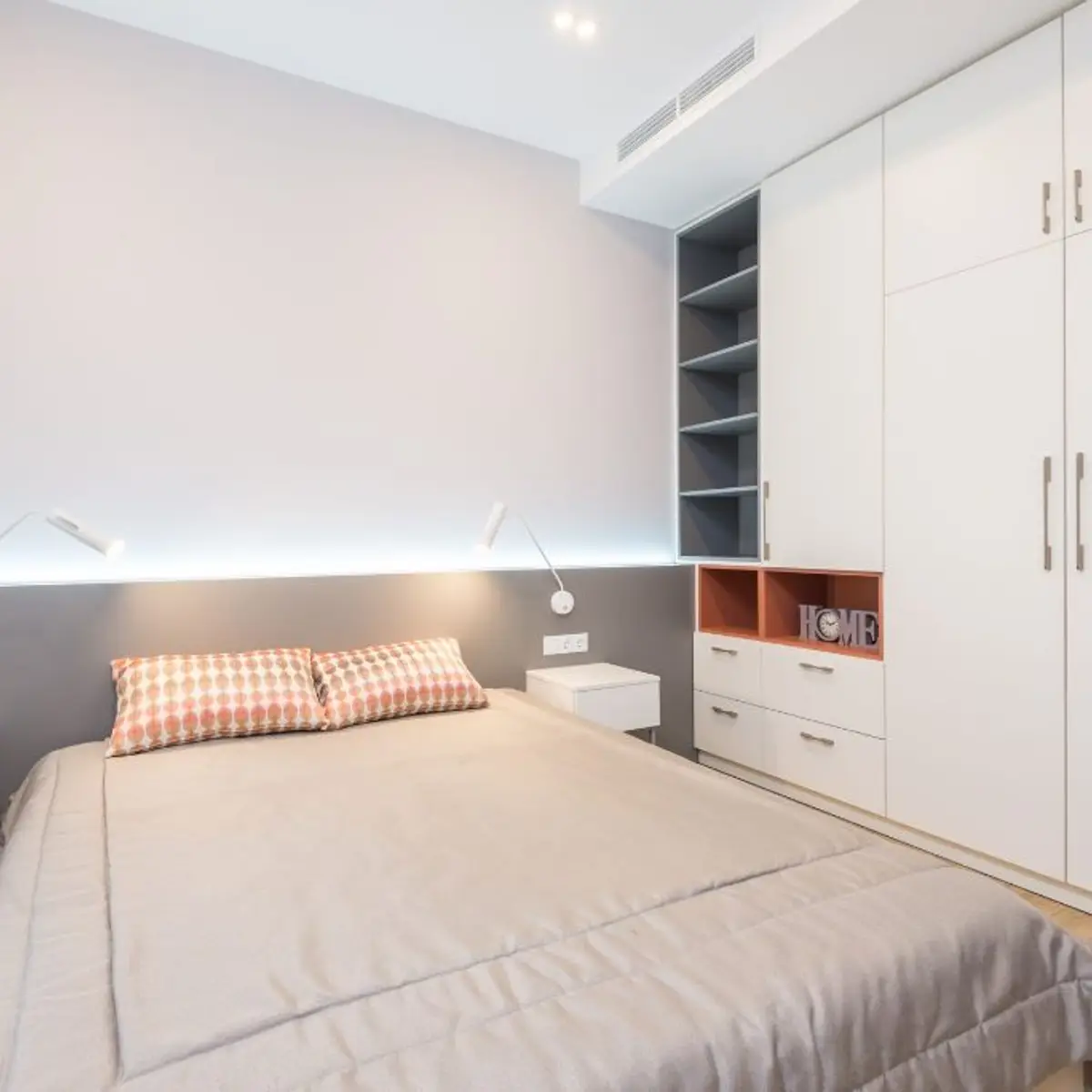
Here is the short answer: plywood for anything that carries load or lives near water, MDF for painted or machine-routed shutters, particle board only for flat-pack furniture you expect to replace. At 18mm thickness in 2026, plywood costs roughly ₹90–160 per sq ft depending on grade, MDF ₹55–85, and particle board ₹35–55. That price gap is exactly proportional to how each board behaves when a Bangalore monsoon, a packed wardrobe shelf, or a third round of screw-tightening tests it. Almost every page ranking for plywood vs MDF vs particle board is written by a board manufacturer selling one of the three, so treat this as the referee's card: what each board is, the four tests that matter, and a verdict for every piece of furniture in your home.
What each board actually is
Plywood is thin sheets of real wood veneer glued in alternating grain directions and pressed. The cross-grain construction is why it holds screws, resists sagging and survives moisture better than anything else on this list. Grades matter enormously; the difference between MR, BWR and BWP plywood is its own topic, and the plywood grade decoder is worth reading before you sign any quotation.
MDF (medium-density fibreboard) is wood broken down into fine fibres and pressed with resin into a perfectly uniform board. No grain, no knots, no voids. That uniformity is its superpower: it machines beautifully, takes paint like glass, and never warps a shutter out of true.
Particle board is wood chips and sawdust bonded with adhesive. It is the cheapest way to turn wood waste into a flat panel, and it behaves exactly like what it is. Most ready-made furniture from big-box stores is pre-laminated particle board.
The four tests that decide it
1. Load and sag
A wardrobe shelf spanning 3 ft with a stack of jeans on it is a five-year sag test. Plywood wins comfortably; an 18mm ply shelf holds its line across a 3 ft span where particle board visibly bows within a year or two. MDF sits in between; it is heavier than ply but creeps under sustained load, so keep MDF shelves under about 2.5 ft of unsupported span or add a mid-support.
2. Screw-holding
Plywood's cross-grain layers grip screws; you can unscrew and refit a hinge a few times without trouble. MDF holds a screw acceptably on the face but poorly on the edge, which is exactly where hinge screws go. Particle board is the weakest; once a screw strips in it, that hole is finished, and hardware needs special fittings or glue to rescue it. If a piece of furniture will ever be dismantled and moved, this test alone rules out particle board.
3. Monsoon behaviour
This is the Indian test the international spec sheets skip. Interior-grade plywood shrugs off humid air; even MR grade handles an August in Mumbai as long as it is not in direct water contact. MDF absorbs moisture through any unsealed edge and swells permanently; a swollen MDF shutter edge never goes back. Particle board is worse; sustained humidity makes it puff, crumble and shed laminate. Anything within splash distance of a sink or an attached bathroom wall should be BWR-grade ply or better, full stop.
4. Taking a finish
Here MDF genuinely wins. Its dead-flat, grain-free face is the best base for PU paint, membrane foil and routed patterns; carved or grooved shutter designs are only practical on MDF or HDHMR. Plywood's surface can telegraph grain through paint and its edges need lipping. Particle board only really accepts pre-lamination done at the factory.
2026 price card at 18mm
Rates below are honest market ranges for branded boards in Indian metros in 2026, per sq ft of 18mm board. Local or unbranded material runs 20–30% cheaper and is usually where quality horror stories start.
| Board (18mm) | Price per sq ft | Screw-holding | Monsoon safety | Best finish |
|---|---|---|---|---|
| Particle board | ₹35–55 | Poor | Poor | Factory pre-laminate only |
| Plain MDF | ₹55–75 | Moderate | Poor on edges | Paint, membrane, laminate |
| HDHMR / moisture-resistant MDF | ₹70–95 | Moderate | Good | Paint, membrane, routed designs |
| MR plywood | ₹90–130 | Excellent | Good (humid air) | Laminate, veneer |
| BWR plywood | ₹110–160 | Excellent | Very good | Laminate, veneer |
| BWP / marine plywood | ₹140–210 | Excellent | Best | Laminate, veneer |
Two things follow from this table. First, the real fight in most homes is BWR ply vs HDHMR, not ply vs particle board. Second, when a quotation shows a suspiciously low carcass rate, the board grade is almost always where the money was saved.
Verdict by furniture piece
| Furniture piece | Verdict | Why |
|---|---|---|
| Wardrobe carcass | BWR plywood | Carries load for 15+ years; screw-holding for hinges and channels |
| Wardrobe shutters | MDF/HDHMR (painted or membrane), ply (laminate/veneer) | Shutters need flatness, not strength |
| Kitchen carcass | BWR ply; BWP under the sink | Permanent steam and splash exposure |
| Kitchen shutters | HDHMR or BWR ply | Moisture plus daily slamming |
| TV unit | MDF or ply mix | Mostly cosmetic loads; MDF panels look sharper painted |
| Bed with storage | Plywood | Highest sustained load in the house |
| Study table | Plywood top, MDF panels | Sag resistance where elbows land |
| Bookshelf | Plywood | Books are the heaviest thing you own |
| Ready-made side tables, décor units | Particle board is fine | Cheap, light, replaceable, dry location |
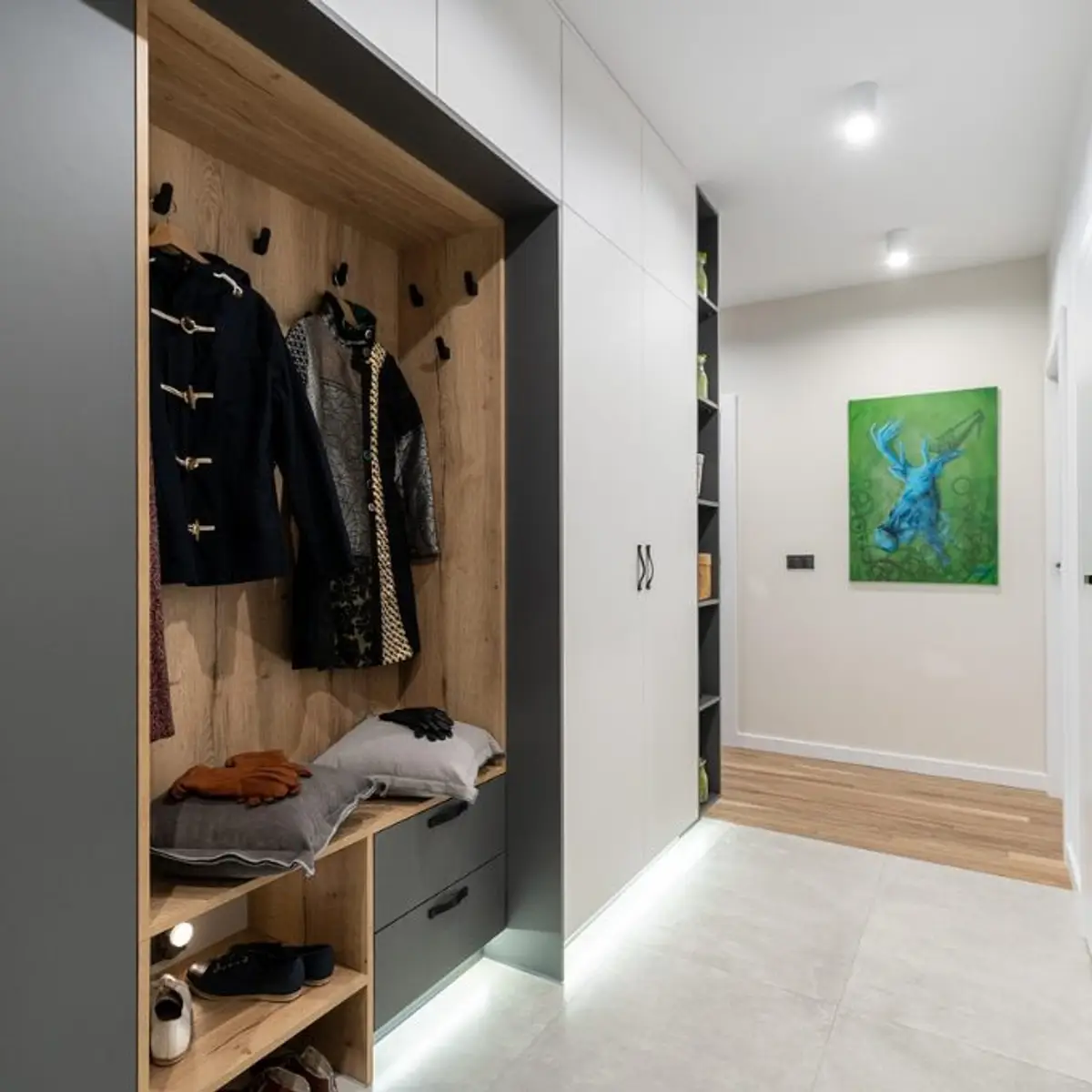
A good rule: the carcass earns plywood, the shutter can be MDF, and particle board is for furniture you would not mind replacing in five years. Wardrobe pricing follows the same logic, and the wardrobe cost per sq ft guide shows how board choice moves the total.
Where the seller pages mislead you
The marine-ply-everywhere upsell. BWP or "marine" plywood in every wardrobe and TV unit adds ₹30–60 per sq ft of board for waterproofing that a bedroom will never test. Marine grade belongs under the kitchen sink, in bathroom vanities and in utility areas; everywhere else BWR is already conservative.
"Engineered wood" with no further detail. On e-commerce listings this phrase almost always means particle board. Ask for the board type in writing; a seller confident in MDF or ply names it.
The imported-board halo. Country of origin matters far less than grade certification and density. A branded Indian BWR ply with an IS:303 marking beats an anonymous "imported" board every time.
Termite and borer warranties. Read what is actually covered; most warranties cover the board being pre-treated, not your furniture being repaired. Site-applied chemical treatment of the wall cavity matters more than the certificate.
How to specify this in your own project
You do not need to argue board chemistry with a contractor. Put three lines in the quotation instead: carcass material and grade (for example, 18mm BWR ply, IS:303 branded), shutter material and finish, and the board used in wet zones. If a line item just says "wood work", ask for it to be split. When the same spec is priced by two vendors, the cheaper one has usually moved one of these three lines down a grade.
If you are still at the layout stage, it helps to see the furniture before you fight about what it is made of; an AI design of your own floor plan gives you a room-by-room picture and a cost estimate, and the material decisions in this post are exactly the ones that estimate assumes you will make sensibly. Note that any AI figure is an estimate; the binding number is always the quotation your contractor or designer signs.
Frequently asked questions
Which is better for a wardrobe: plywood or MDF?
Use both, in different places. The carcass, shelves and any load-bearing panel should be BWR plywood, which holds screws and resists sagging for decades. Shutters can be MDF or HDHMR, especially if you want a painted, membrane or routed finish, because shutters need flatness rather than strength. Avoid MDF for shelves longer than about 2.5 ft.
Is MDF good for the Indian climate?
Plain MDF handles air-conditioned or dry rooms fine but swells permanently if moisture enters through an unsealed edge, which makes it risky near bathrooms, sinks and in coastal humidity. HDHMR and moisture-resistant MDF variants perform much better. For anything in a kitchen or within splash distance of water, BWR plywood remains the safer choice in India.
Is particle board furniture worth buying?
Yes, for the right things. Ready-made side tables, shoe racks, display units and rental-flat furniture in dry rooms are exactly what particle board is for: cheap, light and replaceable. It is a poor choice for wardrobes, beds and kitchens because it sags under load, strips screws permanently and crumbles when it gets damp.
How much cheaper is MDF than plywood in 2026?
At 18mm thickness, plain MDF runs roughly Rs 55-75 per sq ft against Rs 90-130 for MR plywood and Rs 110-160 for BWR plywood, so MDF is roughly 30-45% cheaper than comparable ply. HDHMR narrows the gap at Rs 70-95. On a full 3 BHK's worth of furniture, the board choice can move the total by Rs 50,000 or more.
Does MDF hold screws well?
Moderately on the face, poorly on the edge, which is exactly where hinge screws usually go. A screw refitted into MDF a couple of times loses grip, so hinges on MDF shutters should use proper inserts or longer screws into hardwood blocks. Plywood is clearly better here, which is one reason carcasses and hinged frames should be ply.
Want a real estimate for your home?
Share your home in 2 minutes. We'll match you with designers in your city and give you a BOQ-level estimate before any work begins.
Share your home →