6 Curtain Swaps That Make a Room Look Twice as Expensive
Curtains are the cheapest surface in a home to upgrade, and the one most people never revisit. Six before-and-afters that prove it's worth it.
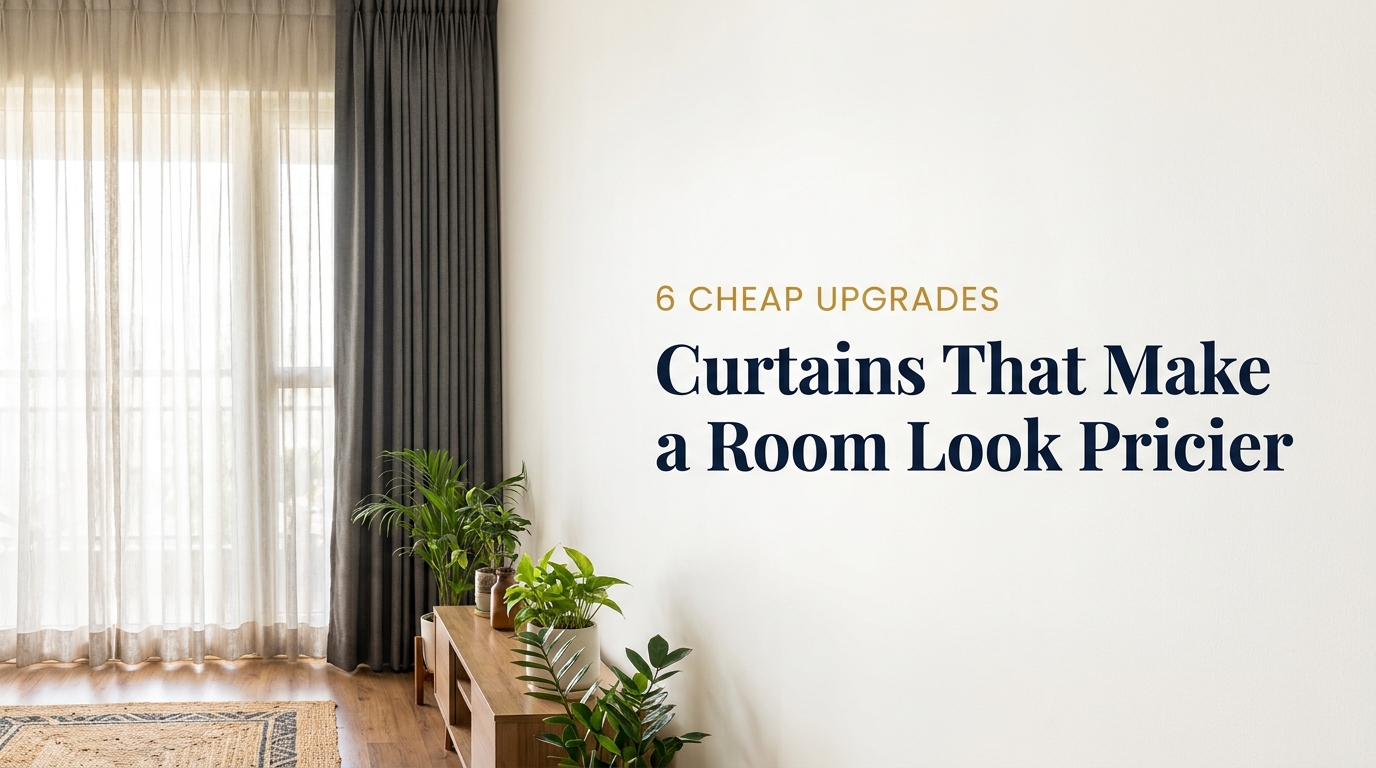
If a room feels like it's missing something despite decent furniture and a fresh coat of paint, the answer is often hanging right in front of the window and getting overlooked. Curtains are one of the cheapest surfaces in a home to genuinely upgrade, and one of the last things anyone thinks to change most households buy them once, quickly, close to move-in, from whatever's readily available in a standard size, and never revisit the decision again.
That's a real missed opportunity, because window treatments frame the single largest source of natural light in any room, and small, inexpensive changes to how that light gets filtered, layered, or dressed can make a room read as considerably more expensive than it actually cost to put together. This before-and-after story covers six Indian apartments where the existing curtains or blinds were working perfectly well nothing torn, nothing broken but got upgraded anyway, purely for how much it changed the room's perceived polish. Each pair includes what the swap involved, roughly what it cost, and what to expect in upkeep.
1. Single Fabric Panel → Layered Sheer and Blackout Curtains
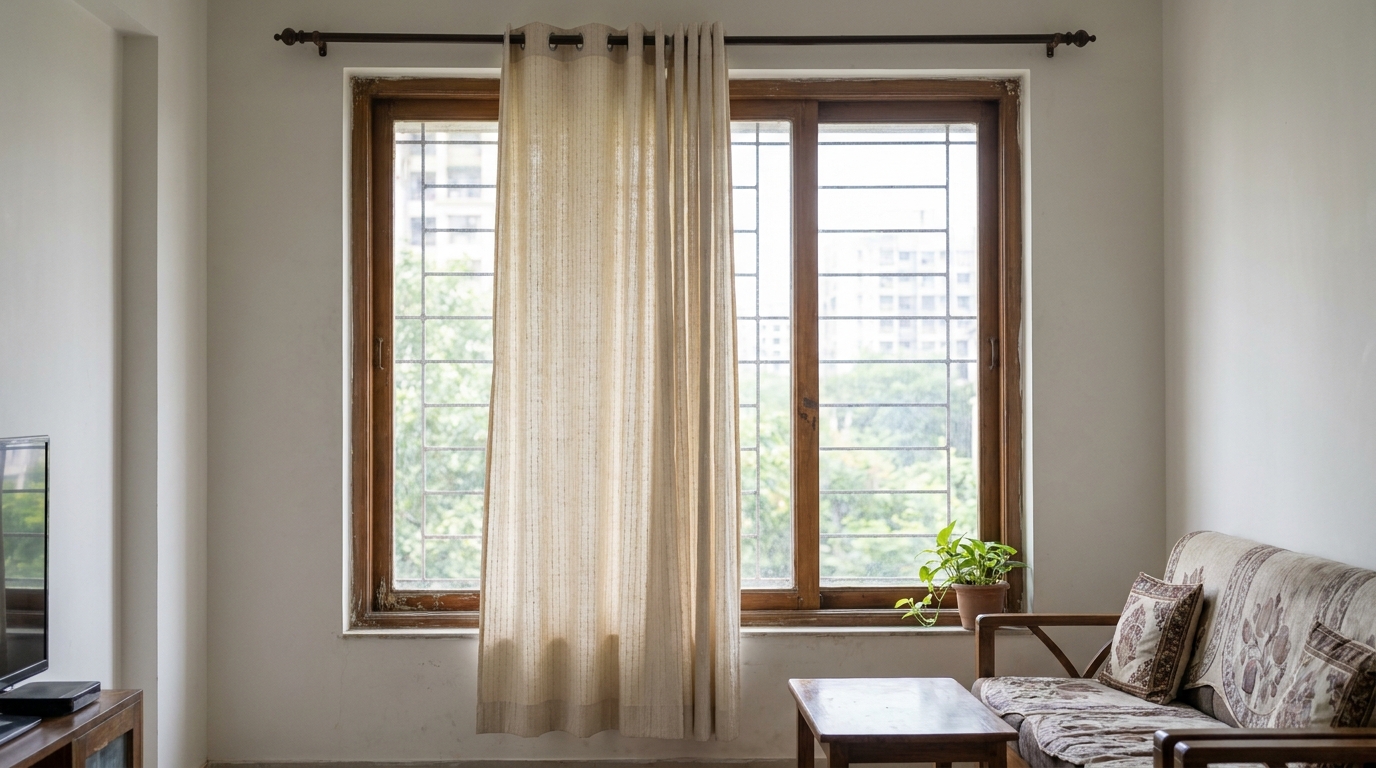
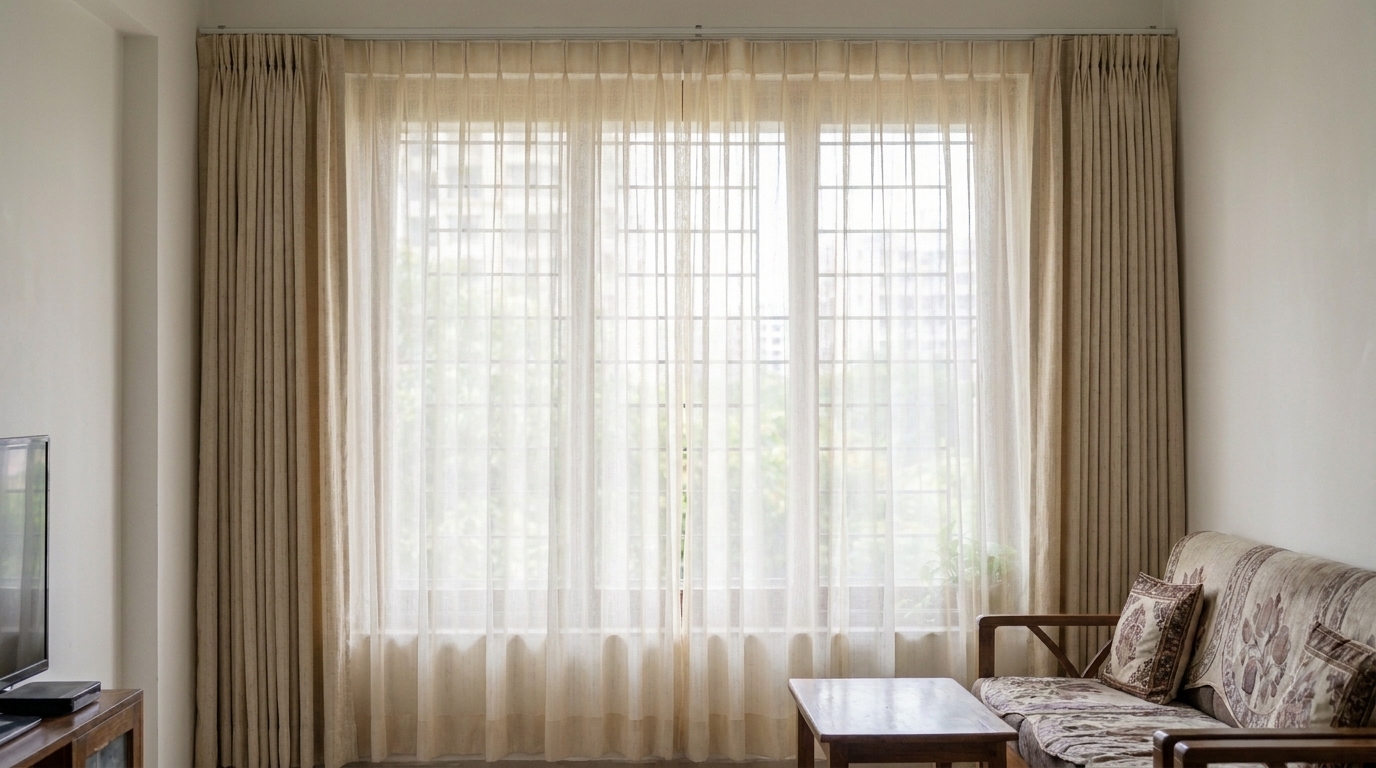
Before: A single flat fabric panel in a plain cream tone, hung from a basic curtain rod, doing its job well enough blocking direct sun during the day, offering reasonable privacy in the evening without adding much depth or dimension to the window itself.
After: Two layers working together: a sheer voile curtain closest to the glass that stays drawn through the day, softening and diffusing incoming light without blocking it entirely, and a heavier blackout curtain on an outer track that closes fully in the evening or during afternoon rest. The layered approach solves a genuine functional gap a single panel can't full daytime privacy and soft light simultaneously, something one flat fabric layer has to compromise on in one direction or the other.
This is a moderate cost increase over a single panel, mainly due to the second track and the additional fabric yardage, but it's one of the more functionally meaningful upgrades on this list, not purely decorative. Blackout fabric specifically also helps with temperature regulation in peak summer, keeping direct afternoon heat gain down when the outer layer is drawn.
2. Plain Roller Blind → Wooden Venetian Blinds
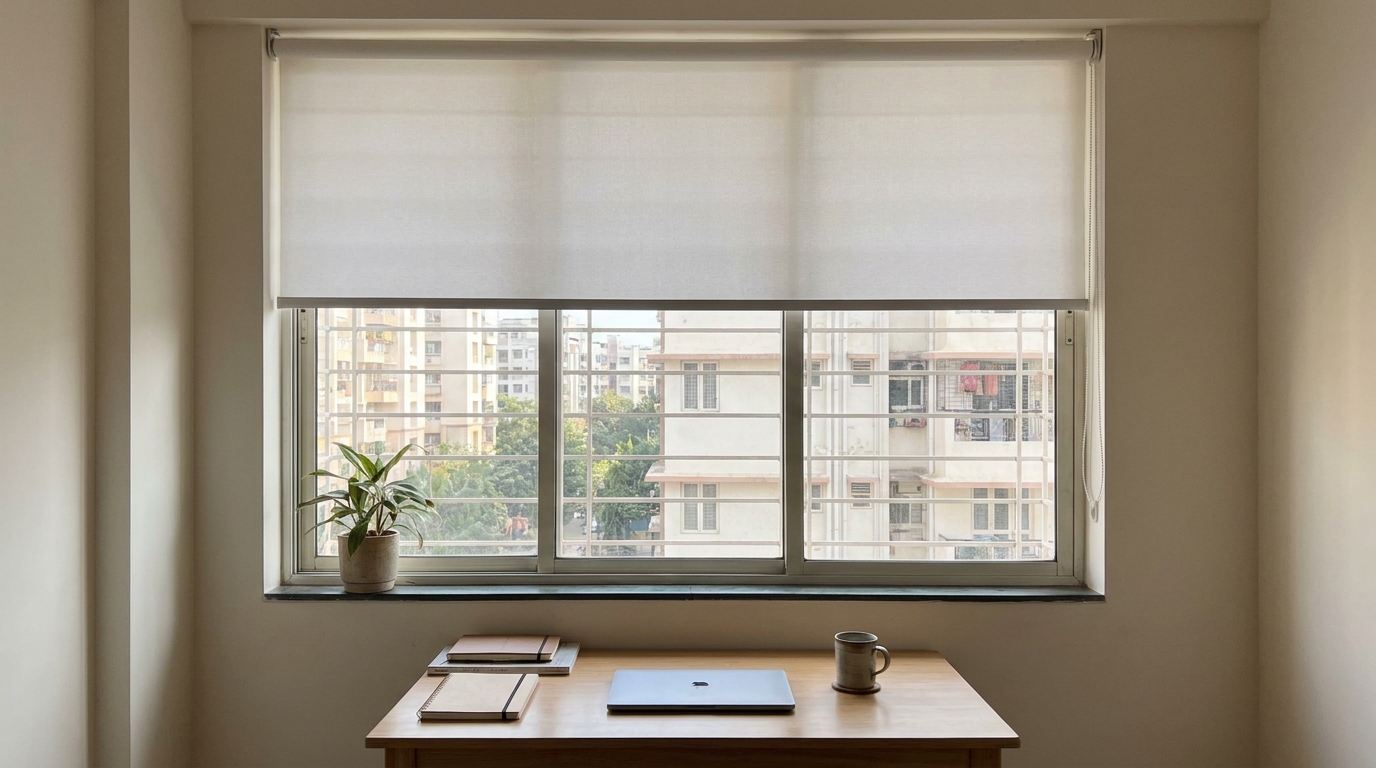
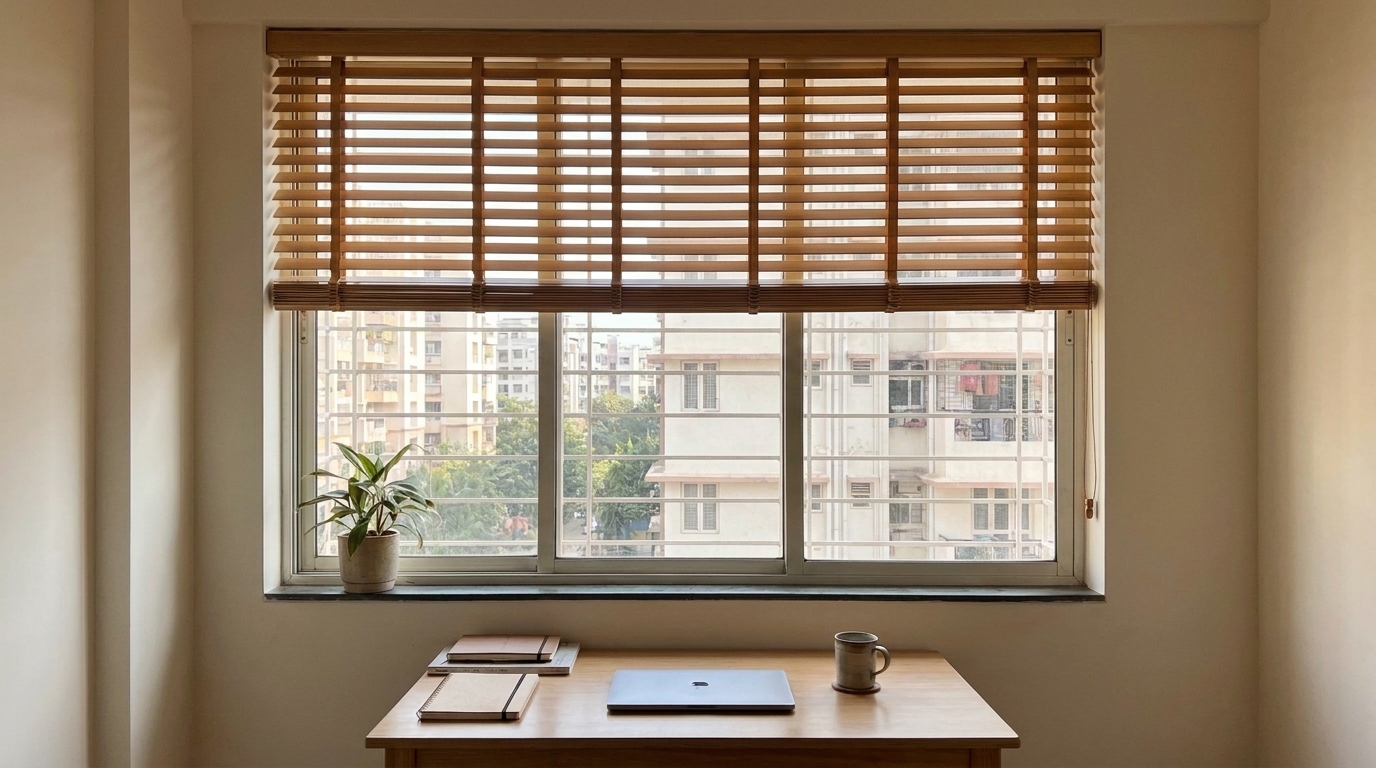
Before: A plain white roller blind, simple and effective at controlling light with a single pull, keeping the window treatment minimal and unobtrusive in a small home office that didn't call for anything elaborate.
After: Wooden venetian blinds in a warm honey-oak tone, with adjustable horizontal slats that let the room control not just how much light enters, but the direction and angle it enters from angled slightly upward to bounce light off the ceiling for a softer, glare-free effect during work hours, or closed flat for full privacy on a video call.
Wood venetian blinds cost meaningfully more than a basic roller blind, largely due to the material and the slat mechanism, but they add genuine material warmth to a room that a flat roller blind simply can't offer, since wood grain and texture read very differently from smooth fabric or vinyl. They need occasional dusting between the slats to stay looking crisp, which is a slightly higher maintenance ask than a roller blind's simple wipe-down, but manageable with a basic routine.
3. Sill-Length Curtains → Floor-to-Ceiling Drapery
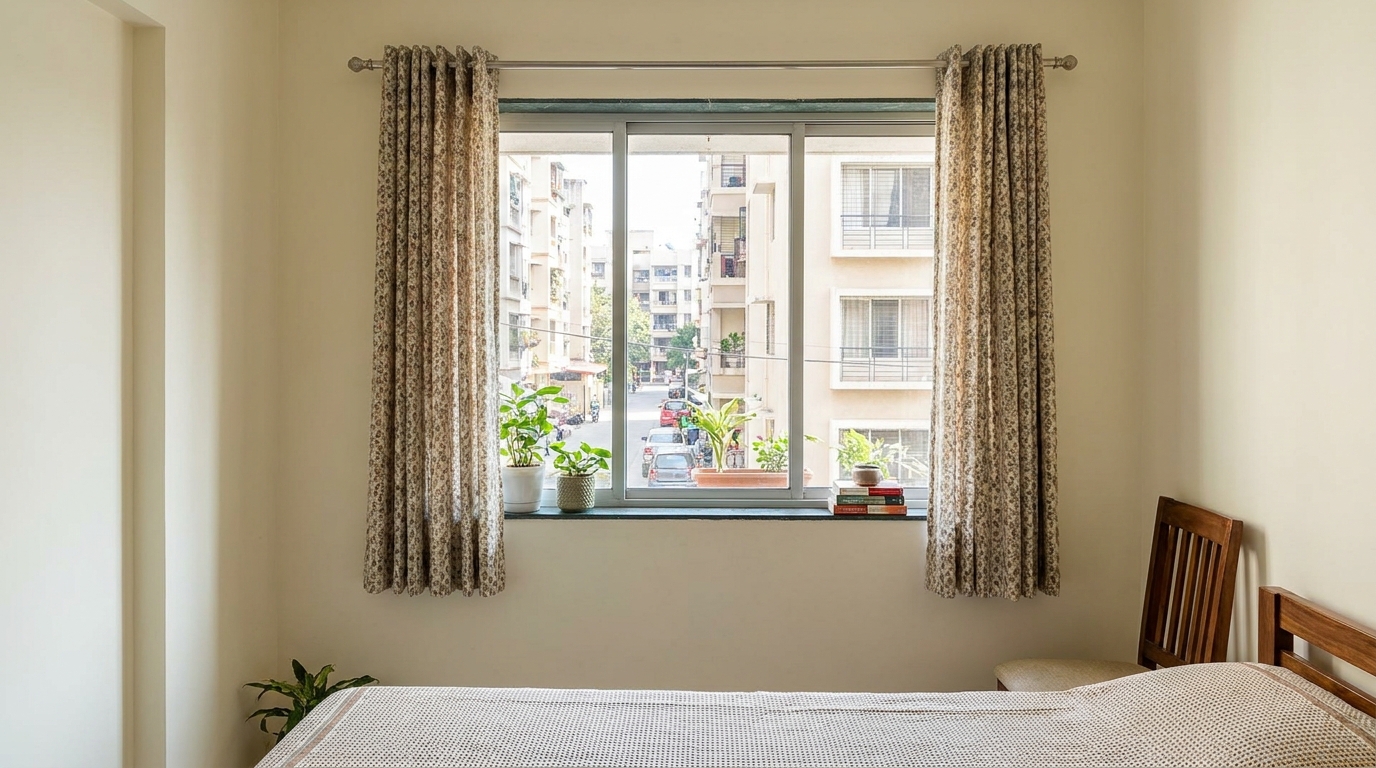
Before: Curtains hung at standard window height, stopping just below the sill a completely typical, tidy choice that does the job of covering the window without drawing any particular attention to the wall around it.
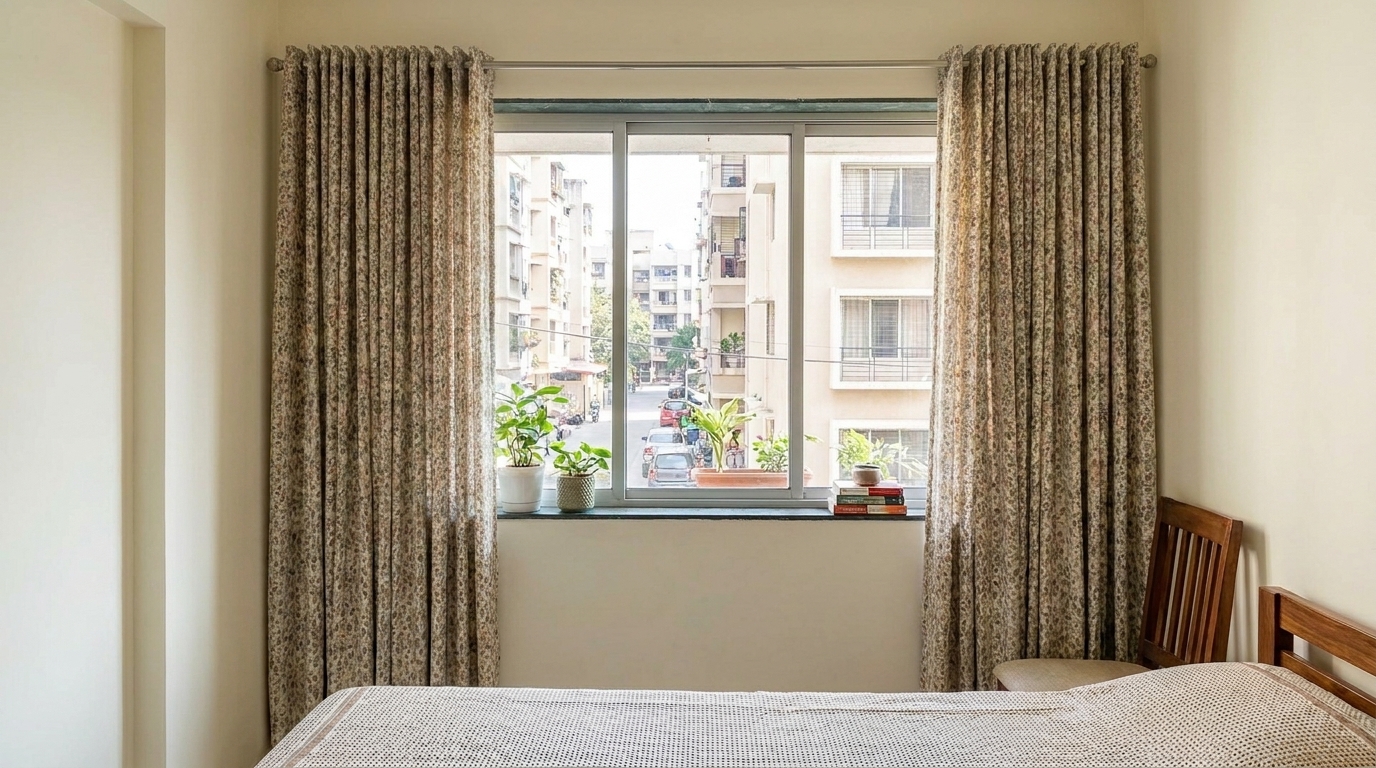
After: The same window fitted with a rod mounted close to the ceiling rather than directly above the window frame, with curtain panels extending all the way to the floor. This single change mounting height and panel length is one of the most disproportionately effective upgrades on this entire list, since floor-to-ceiling drapery visually stretches the entire wall upward, making the ceiling read as taller and the room as more generously proportioned than the sill-length version of the exact same window ever did.
This costs only modestly more than sill-length curtains, since it's mainly a matter of additional fabric yardage and a slightly higher rod mount, not a fundamentally different product. It's one of the few upgrades on this list that changes the perceived proportions of an entire room without touching a single structural element.
4. Exposed Curtain Rod → Concealed Pelmet Box
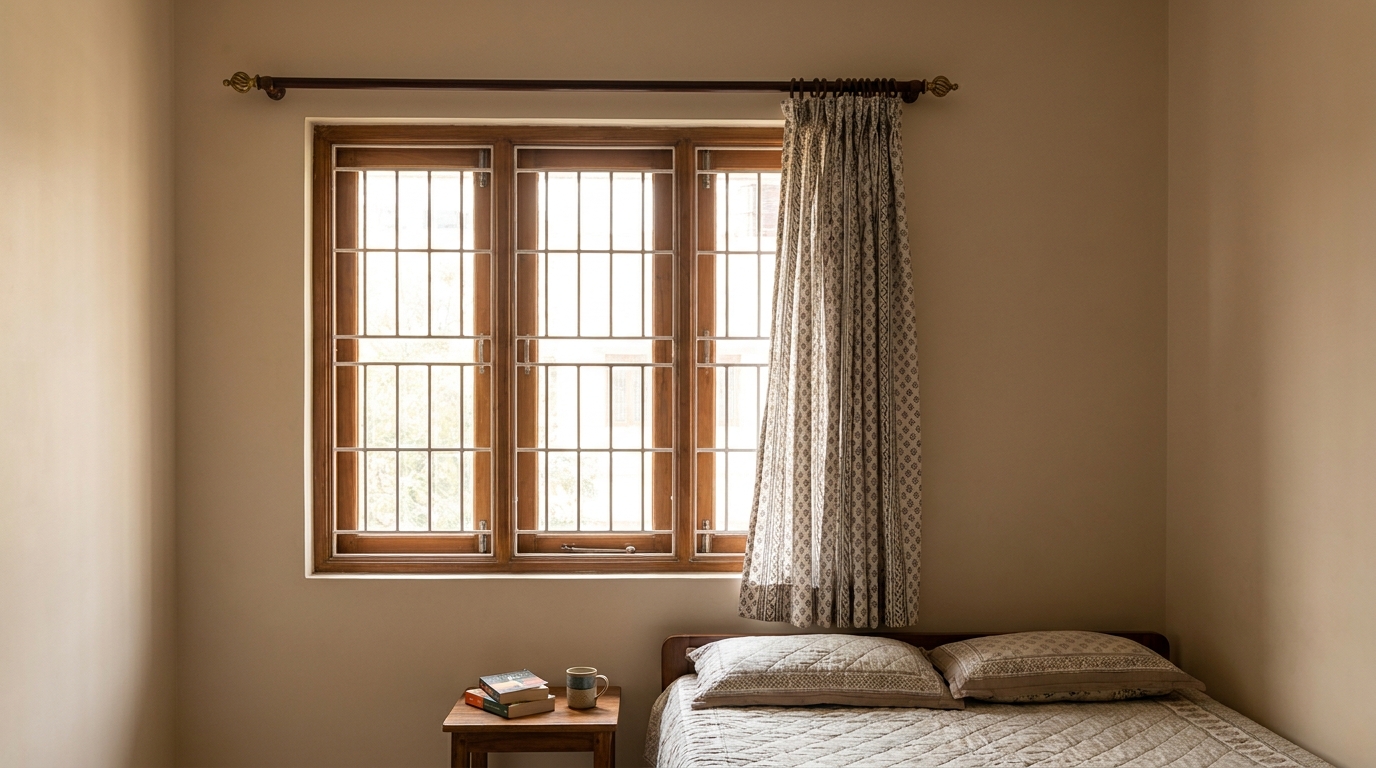
Before: A simple exposed curtain rod with decorative finials, curtains hanging directly from visible rings a clean, functional setup that shows the hardware as part of the window's overall look, which works fine but leaves the top of the curtain looking slightly unfinished compared to a fully dressed window.
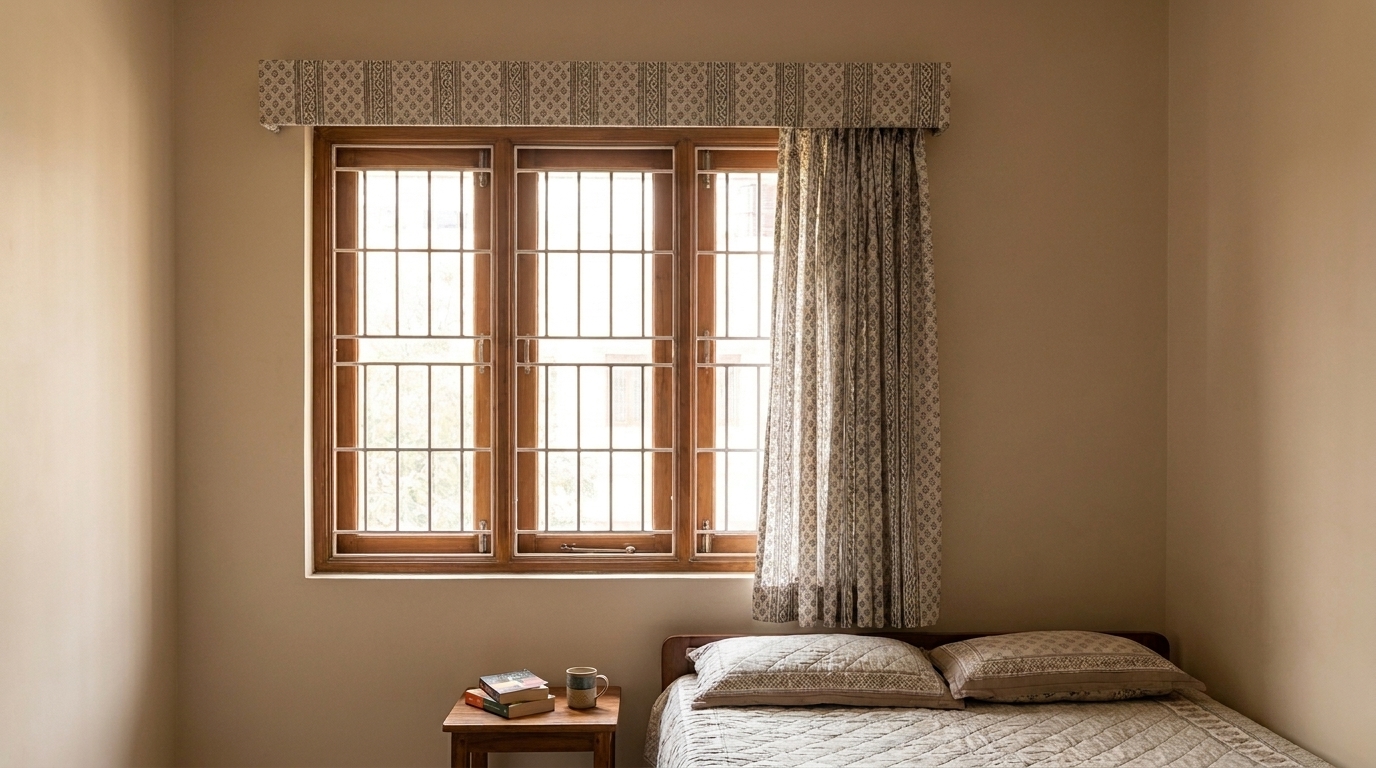
After: A concealed pelmet box built above the window, hiding the curtain rod, rings, and the gap where light typically leaks in above the curtain, faced with a fabric or painted panel that matches the room's palette. The pelmet does two things at once: it gives the window a considerably more tailored, finished look by hiding all visible hardware, and it blocks the strip of light that normally sneaks in above an exposed rod, which matters more than it sounds for anyone sensitive to early morning light in a bedroom.
This requires a small amount of carpentry to build and mount the pelmet box itself, putting it at a moderate cost above a standard rod-and-curtain setup. It's a detail that reads as more custom and considered than almost any other single window treatment change, precisely because it's the kind of finishing touch that's easy to skip and immediately noticeable once it's there.
5. Plain Fabric Roman Shade → Woven Bamboo Roman Shade
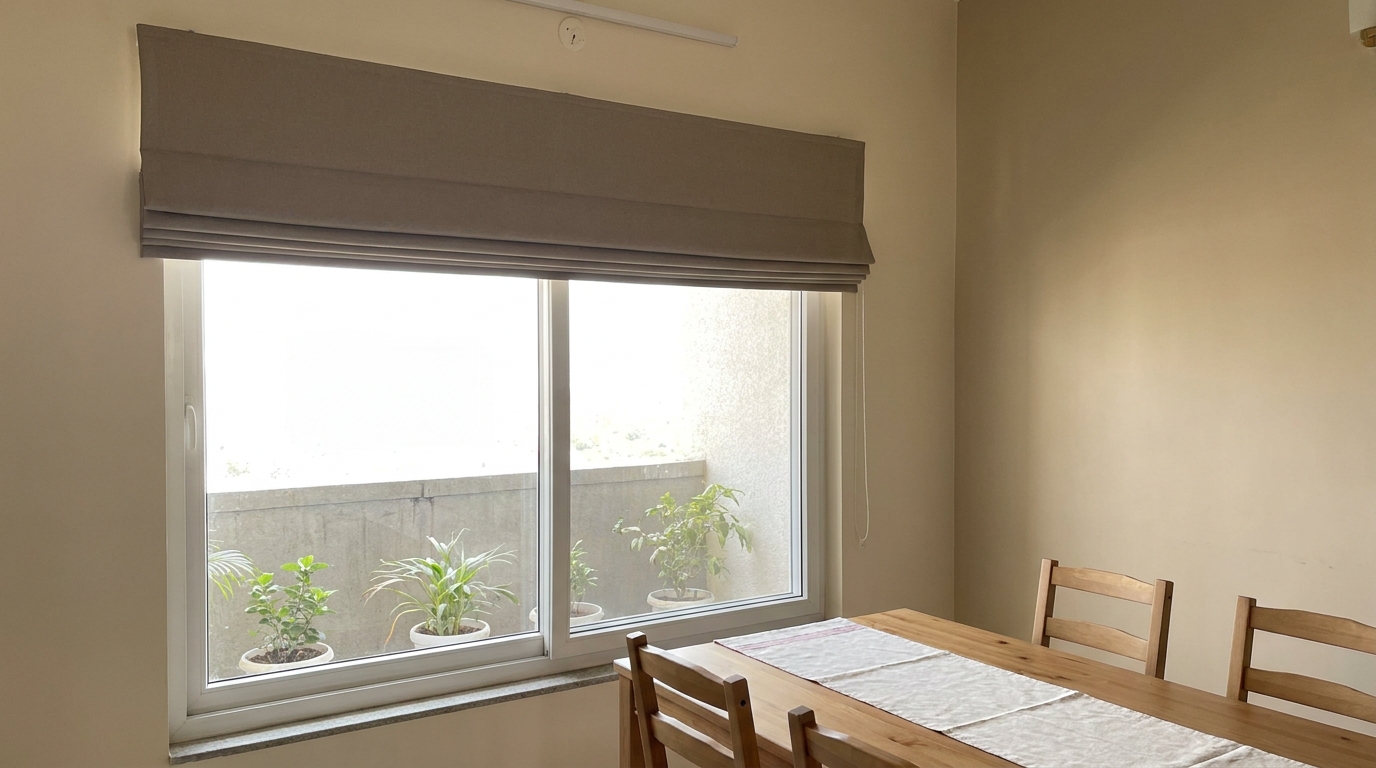
Before: A plain fabric roman shade in a solid taupe tone, neatly folding as it's raised, functional and unobtrusive a genuinely tidy, well-chosen window treatment that simply reads as fairly generic against the room's otherwise more textured, considered furnishings.
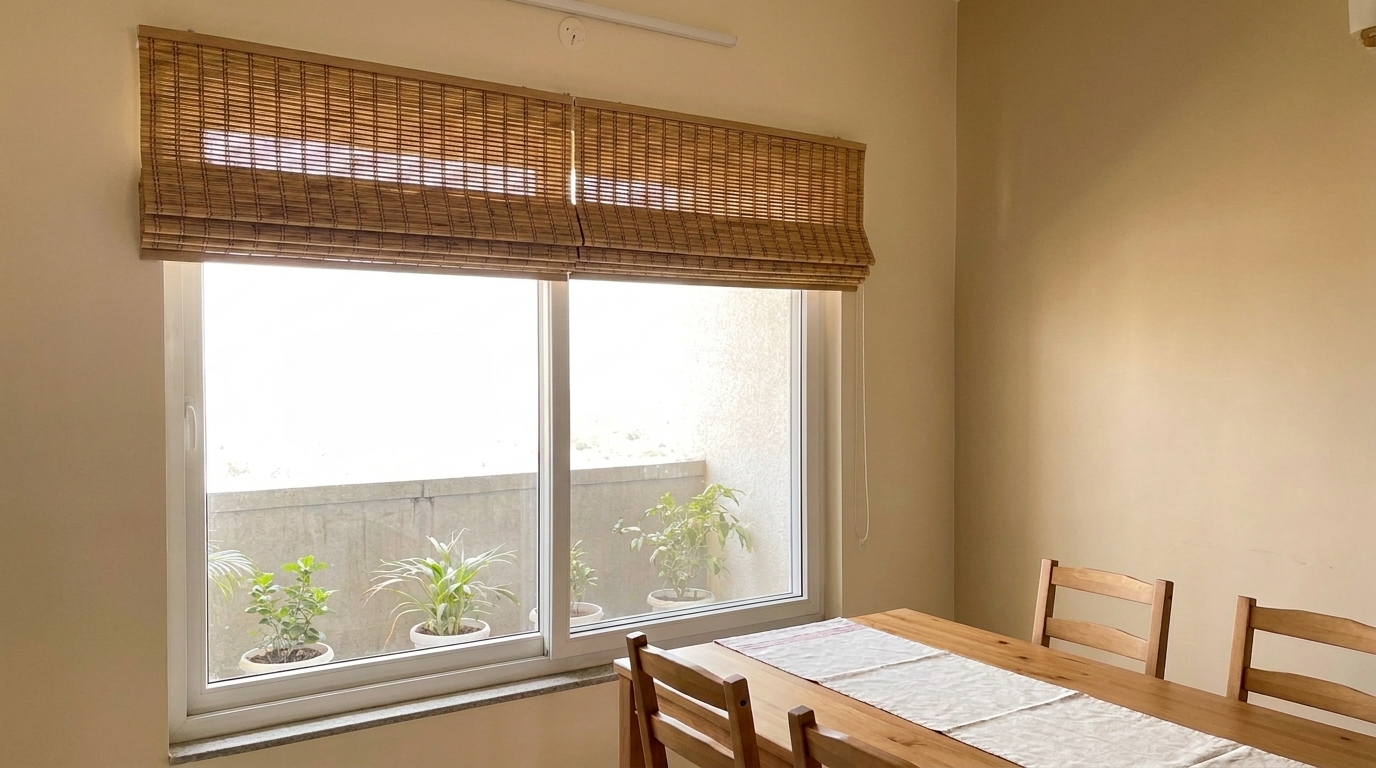
After: A woven bamboo roman shade in a natural warm tone, folding in the same mechanism but bringing genuine textile texture and organic material warmth that flat fabric doesn't have. The switch from smooth fabric to a woven natural material changes the tactile character of the whole window without altering the shade's function or operation at all it still raises and lowers exactly the same way, it just does so with considerably more visual and material interest.
Woven bamboo or grass-cloth roman shades cost somewhat more than plain fabric ones, largely due to the material sourcing, but they pair particularly well with rooms that already lean toward natural materials elsewhere wood furniture, rattan accents, stone surfaces tying the window treatment into the room's broader material language rather than leaving it as a purely separate, purely functional element.
6. Standard Pleated Curtain → Tailored Track Curtain with Pinch Pleats
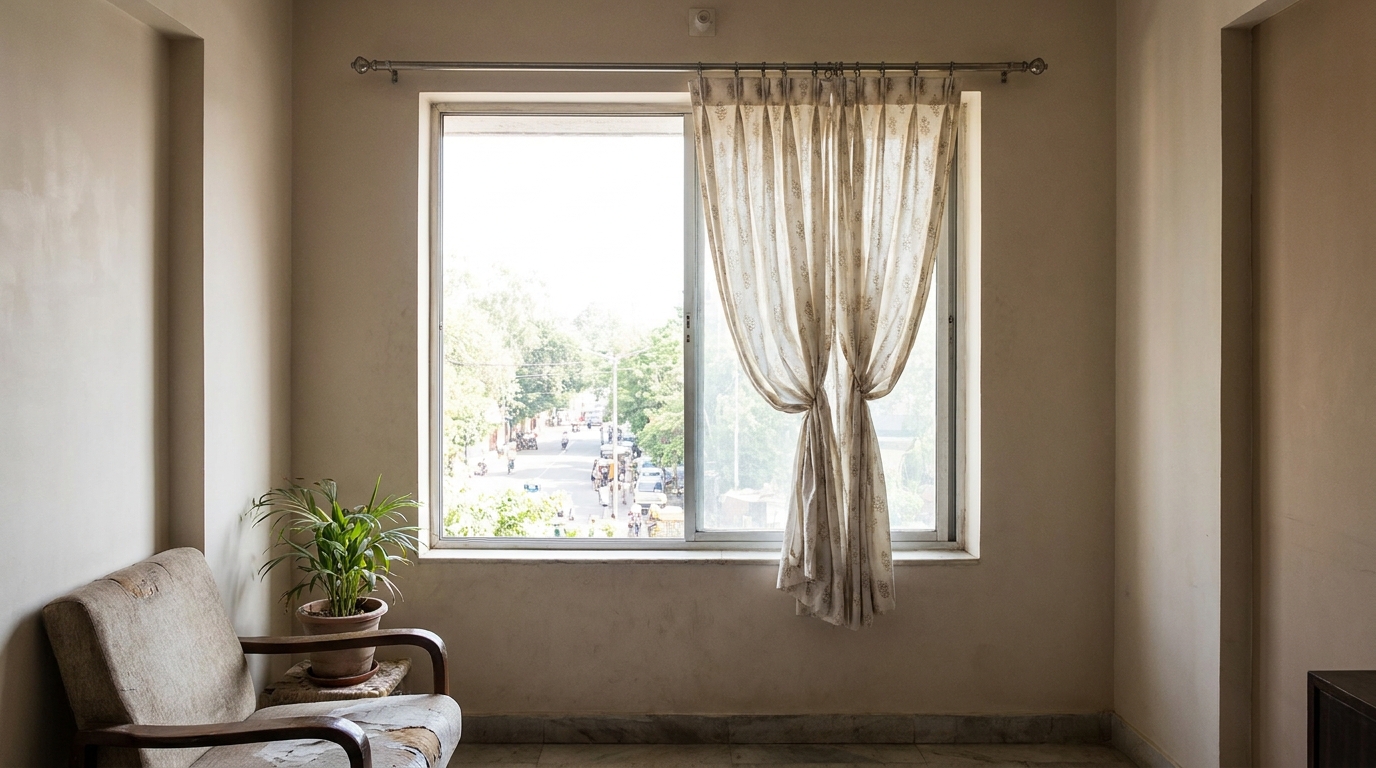
Before: A standard curtain gathered loosely on a simple rod, functional pleating that bunches somewhat unevenly when drawn a completely normal, everyday curtain that does its job without any particular tailoring to how it falls or gathers.
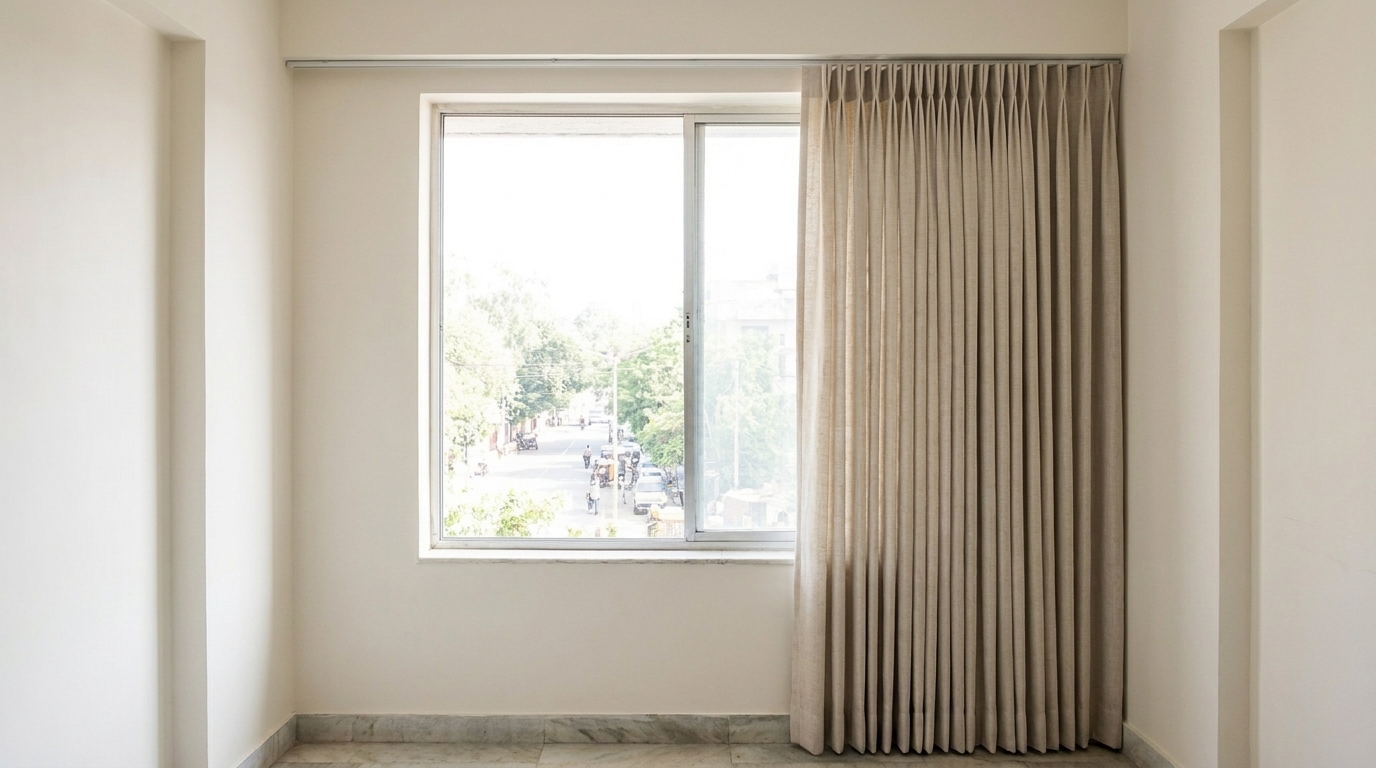
After: The same fabric rehung on a discreet ceiling-mounted track with precise pinch pleating evenly spaced, structured folds that stack cleanly to one side when open and fall in crisp, consistent vertical lines when closed. The difference in how the fabric moves and falls is significant even though the underlying fabric itself hasn't changed at all; tailored pleating is almost entirely a construction and hanging-hardware upgrade rather than a material one.
This is a moderate-cost upgrade focused on the making and hardware rather than the fabric, since achieving consistent pinch pleats requires more precise stitching at the top of each panel and a proper track system rather than simple curtain rings. For a living room or any space where the curtain is a genuinely visible design element rather than purely functional, this level of tailoring is often what separates a curtain that looks "bought" from one that looks "designed."
Closing Thought
None of these six windows had anything wrong with them before every "before" here was a clean, working curtain or blind doing exactly what it was meant to do. What changed in each case wasn't function, but finish: how the light gets filtered, how the fabric falls, how much thought went into a detail most people walk past without noticing. Of every soft-furnishing decision in a home, curtains are one of the cheapest to genuinely elevate, and one of the most consistently overlooked.
Want a real estimate for your home?
Share your home in 2 minutes. We'll match you with verified designers in your city and give you a BOQ-level estimate before any work begins.
Share your home →