8 Vastu Placements That Actually Hold Up When You Ask Why
The Vastu guidelines that keep showing up across generations and the practical reasoning behind each one
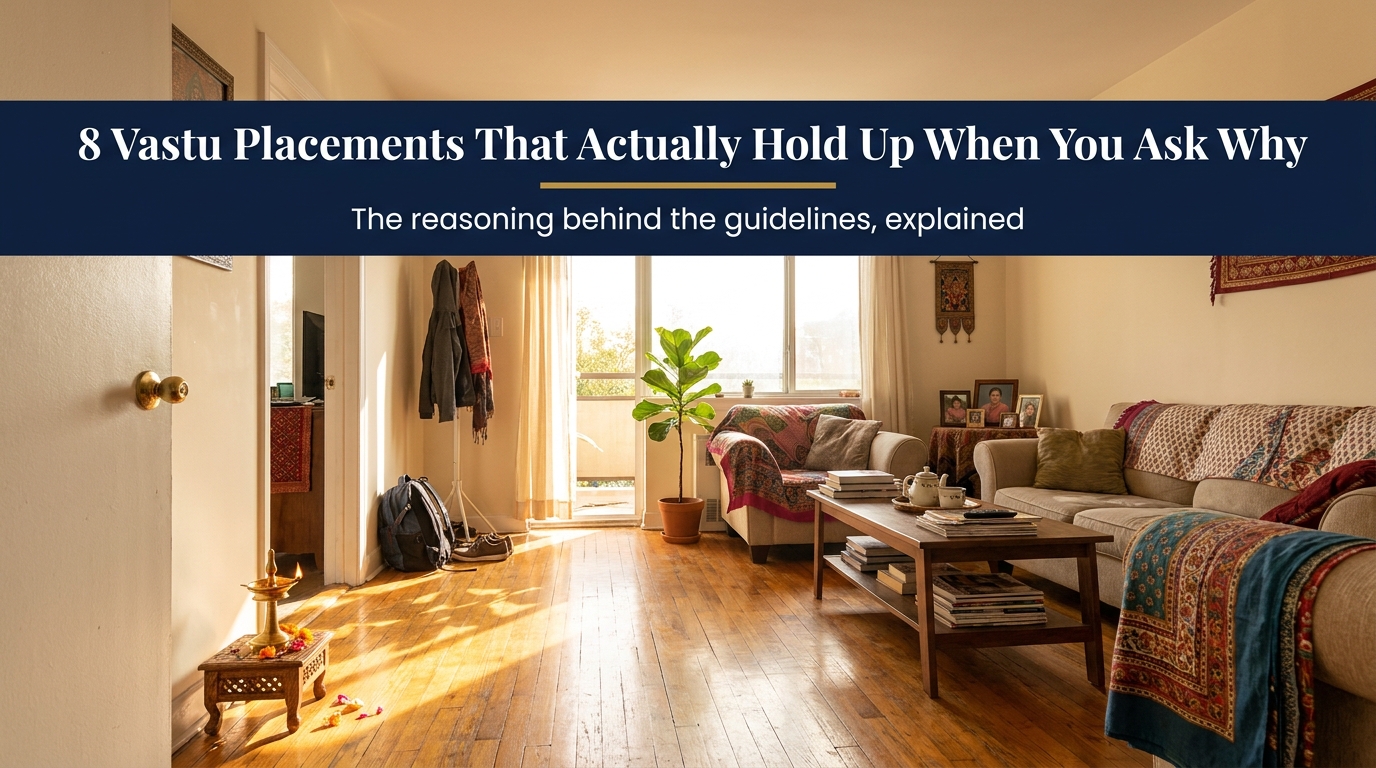
Vastu advice gets passed down constantly during a home renovation from parents, from the priest doing the housewarming, sometimes from the contractor himself but it's rarely explained, just prescribed. "Kitchen goes in the south-east" or "don't put the staircase in the centre" arrives as a rule to follow, not a reason to understand, which makes it easy for one generation to follow it out of respect and the next to quietly ignore it out of skepticism. What's interesting is that a lot of these placements, when you actually dig into them, line up with genuinely sound practical reasoning about light, airflow, safety, and daily function reasoning that predates the term "Vastu" by a long way and would hold up in a modern architecture brief regardless of tradition. Here are eight of the most common Vastu placements, along with the practical logic that sits underneath each one.
Kitchen in the South-East Corner
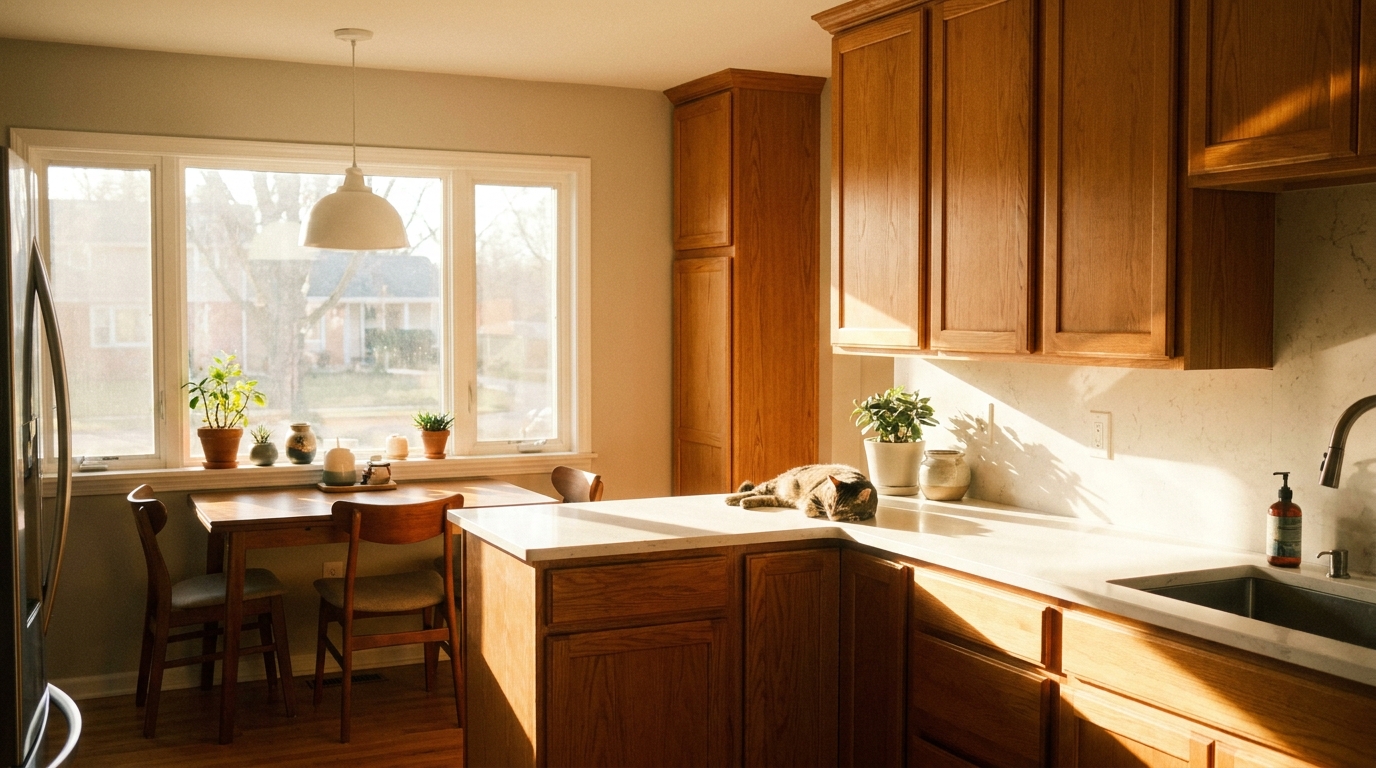
Vastu places the kitchen in the south-east, associated with the fire element (Agni). The practical reasoning lines up closely: in the northern hemisphere, the south-east corner of a home gets strong morning and early-afternoon sun, which historically meant better natural light for food preparation and, more importantly, a naturally warmer, drier corner of the house conditions that discourage the dampness and mould growth that a shaded, cooler kitchen corner would be more prone to over time. Even without any traditional framing, a kitchen that gets good natural light and stays dry is simply easier to keep hygienic.
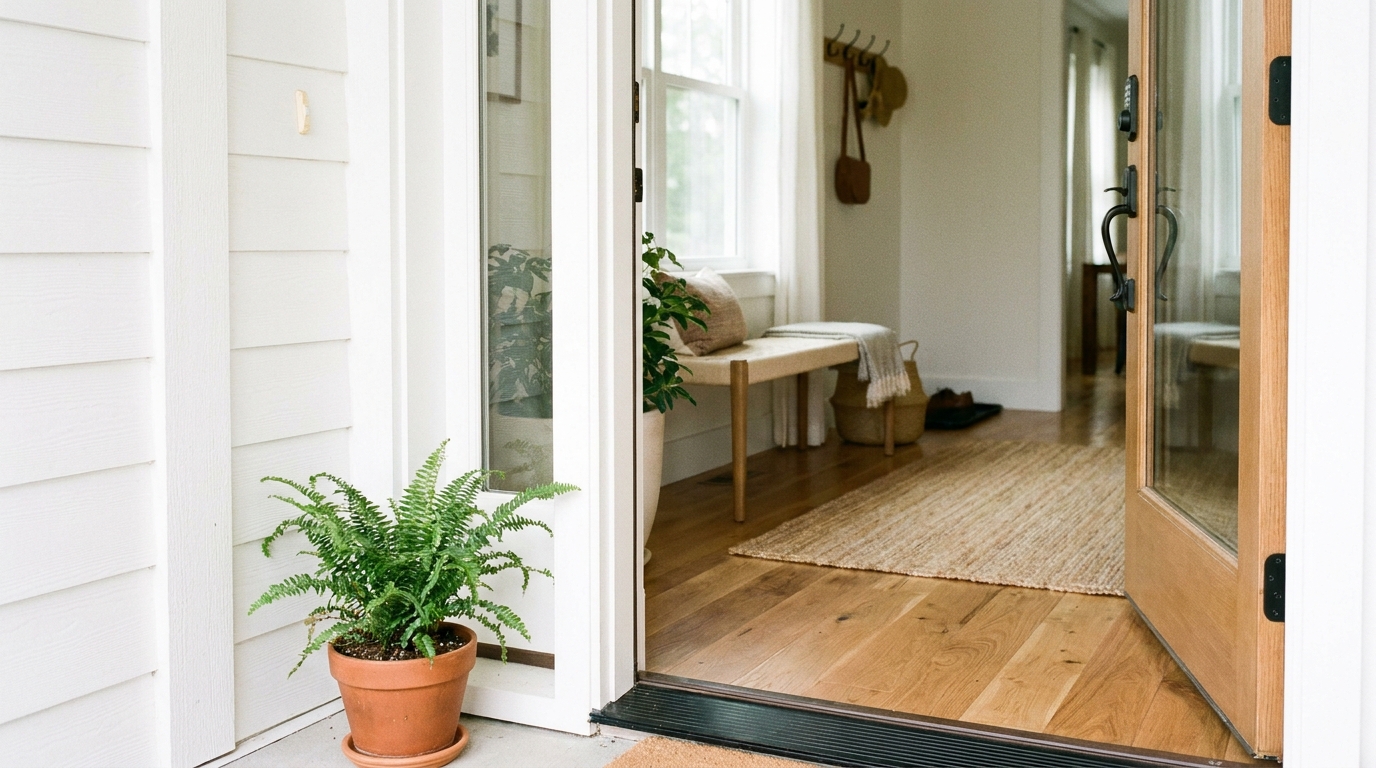
Main Door Facing North or East
A north- or east-facing main entrance is considered one of the most favourable Vastu placements, and the reasoning again tracks back to sunlight: a north- or east-facing door lets in softer, less harsh light through the day compared to a west-facing entrance, which takes the full force of the afternoon sun and heats up the entryway considerably more, especially in the hotter months. A cooler, better-lit entrance isn't just pleasant — it's also the first impression of the home, and a dim or overheated entryway tends to feel less welcoming regardless of how the rest of the house is decorated.
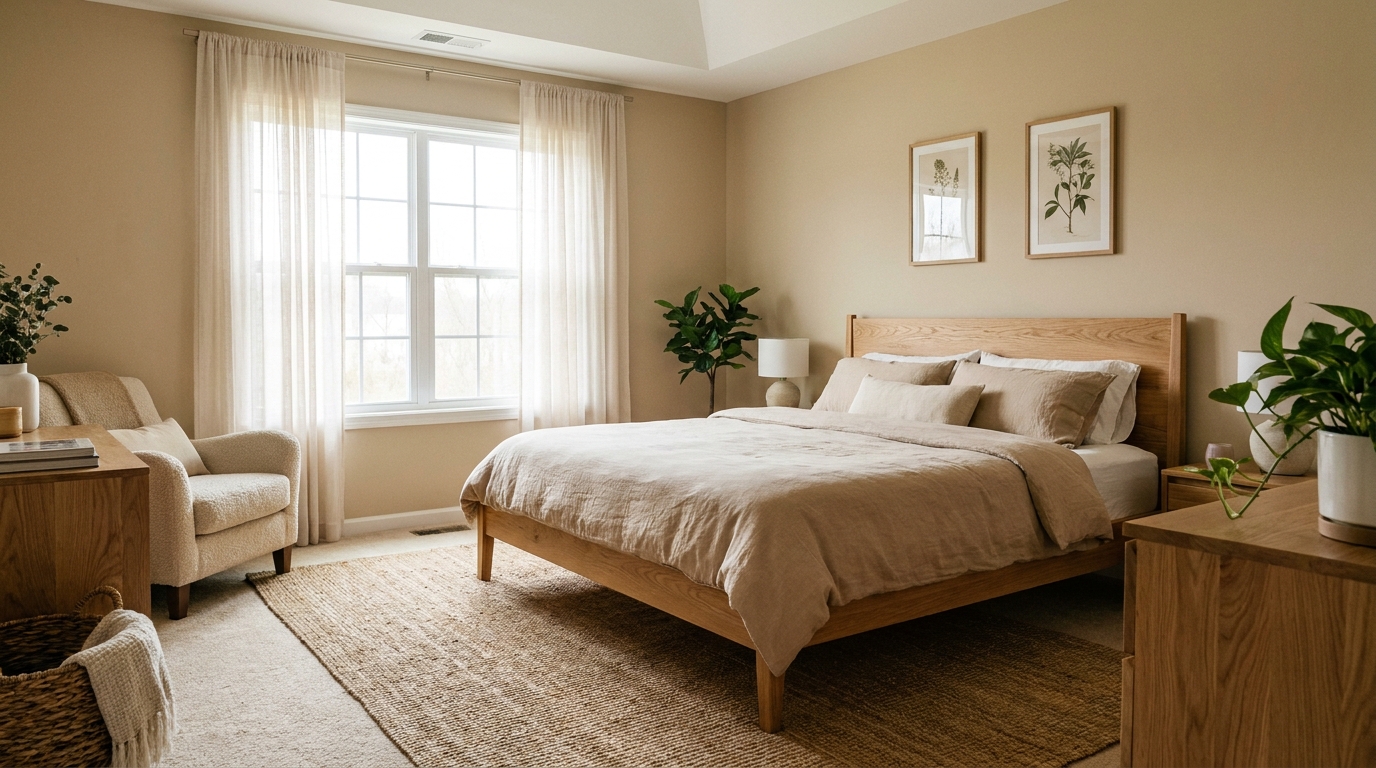
Master Bedroom in the South-West
The south-west corner of a home is considered the most stable, grounding direction in Vastu, and it's traditionally where the master bedroom is placed. Structurally, the south-west corner of a building is also often the most load-bearing and least exposed to direct wind and sun compared to corners facing other directions, which historically made it the most physically stable and temperature-consistent part of the home — a genuinely practical reason to place the room where the head of the household sleeps in the part of the house best insulated from extreme conditions.
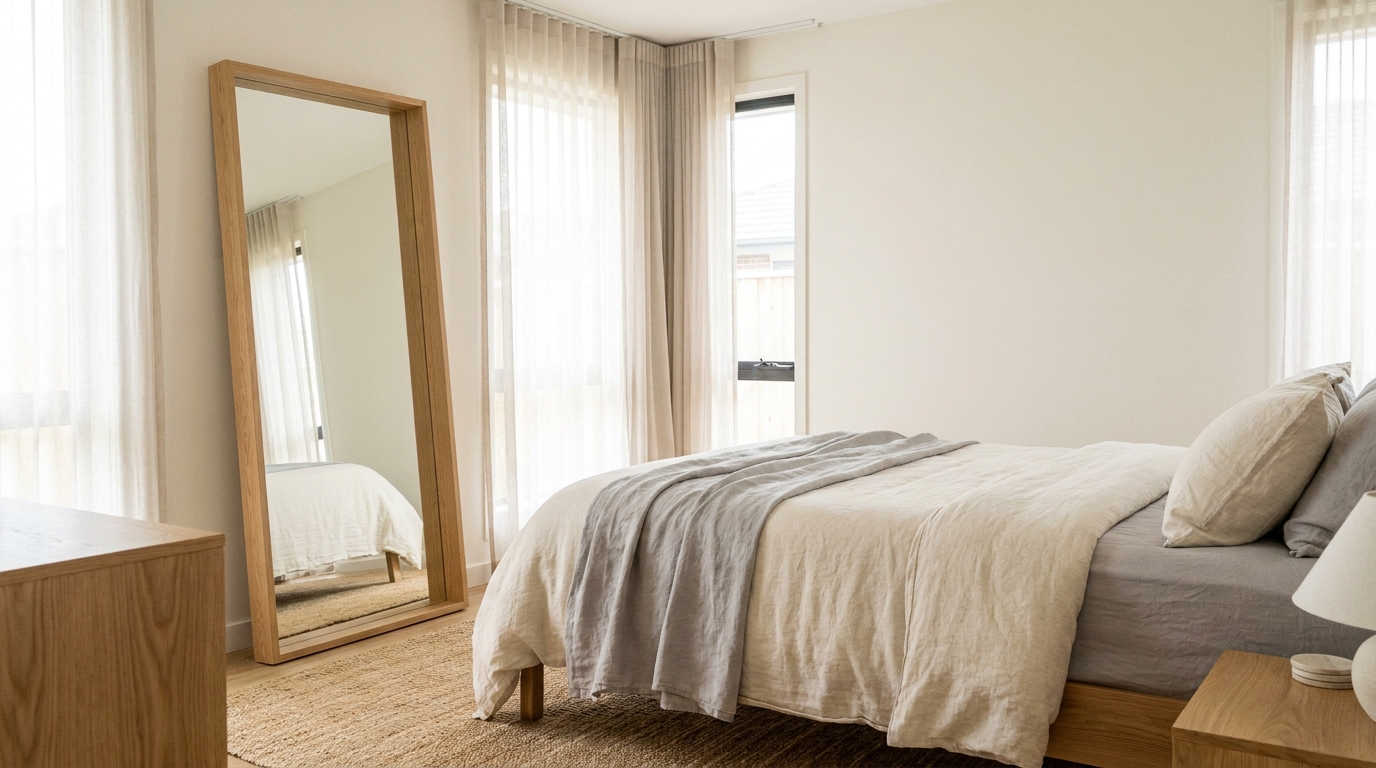
No Mirror Directly Facing the Bed
Vastu generally advises against placing a mirror directly opposite the bed, associated with disturbed sleep and restless energy. Independent of any traditional reasoning, sleep researchers have long noted that unexpected reflections or movement caught in peripheral vision during the night — even something as simple as your own reflected movement while turning over — can genuinely disrupt the sense of a calm, enclosed sleep environment. Whether or not the traditional framing resonates, the practical outcome — a bedroom that feels calmer without a mirror directly opposite the bed — holds up on its own.
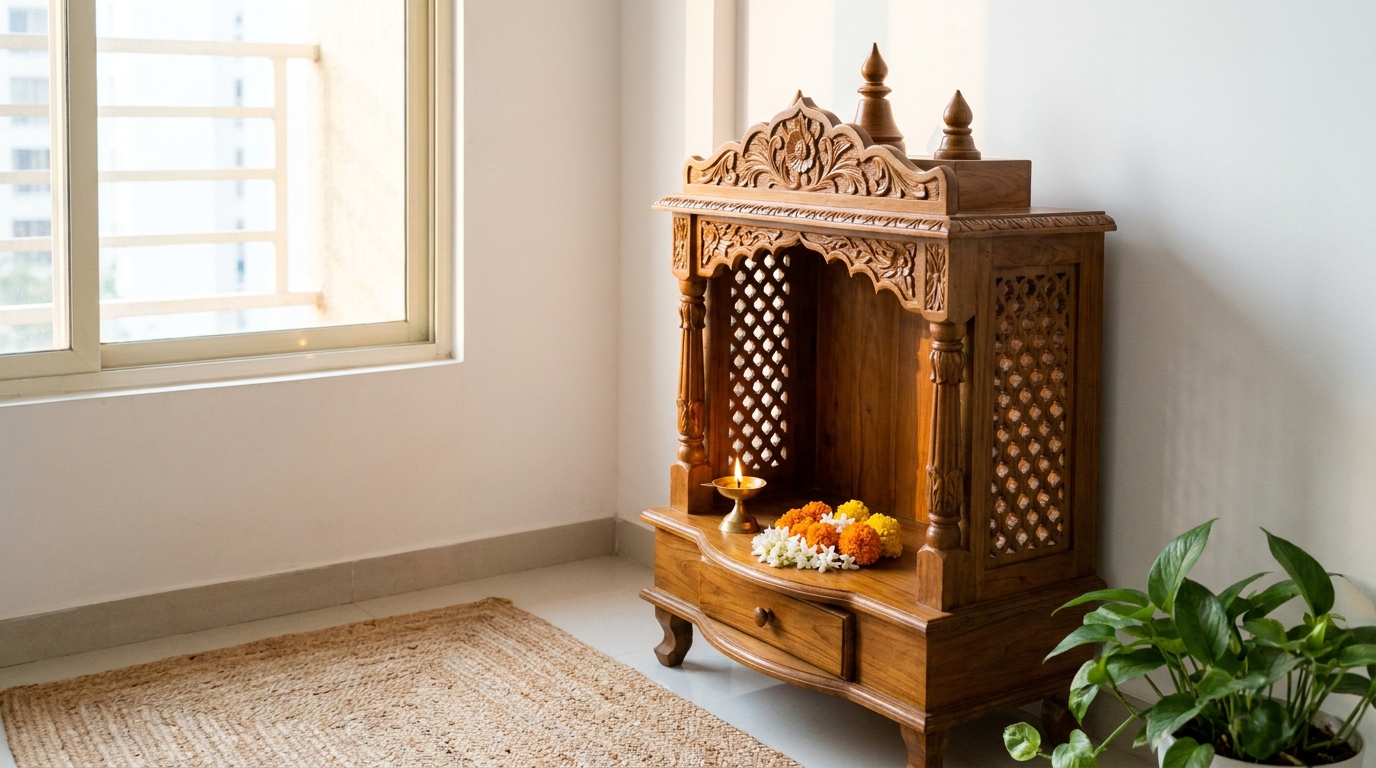
Pooja Room in the North-East Corner
The north-east corner, referred to as Ishanya, is considered the most sacred direction in Vastu and is the traditional placement for a pooja or prayer room. Practically, the north-east corner of most homes in the northern hemisphere receives gentle, consistent early-morning light without the harsh direct heat that a south- or west-facing corner would get — ideal conditions for a room typically used first thing in the morning, where soft natural light rather than glare or heat matters more than in almost any other room in the house.
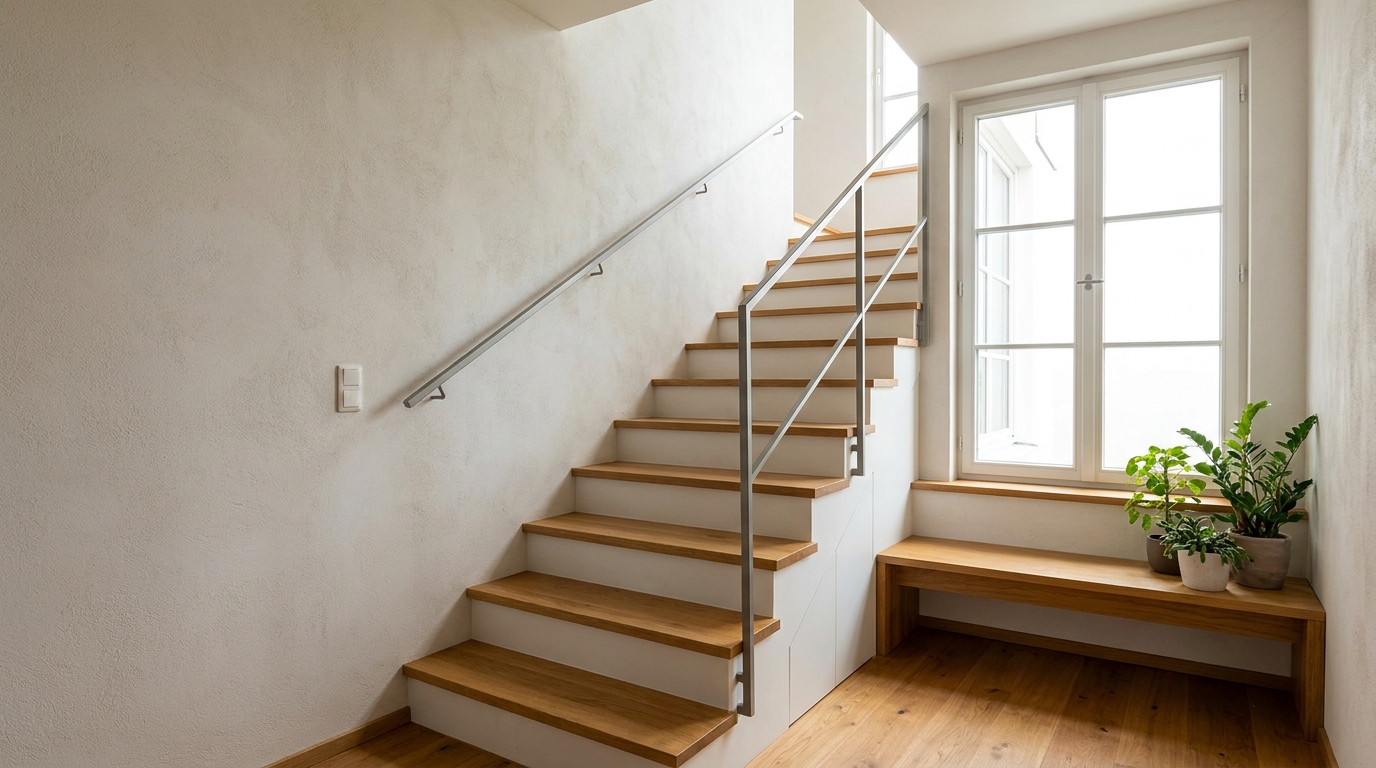
Staircase Away from the Centre of the Home
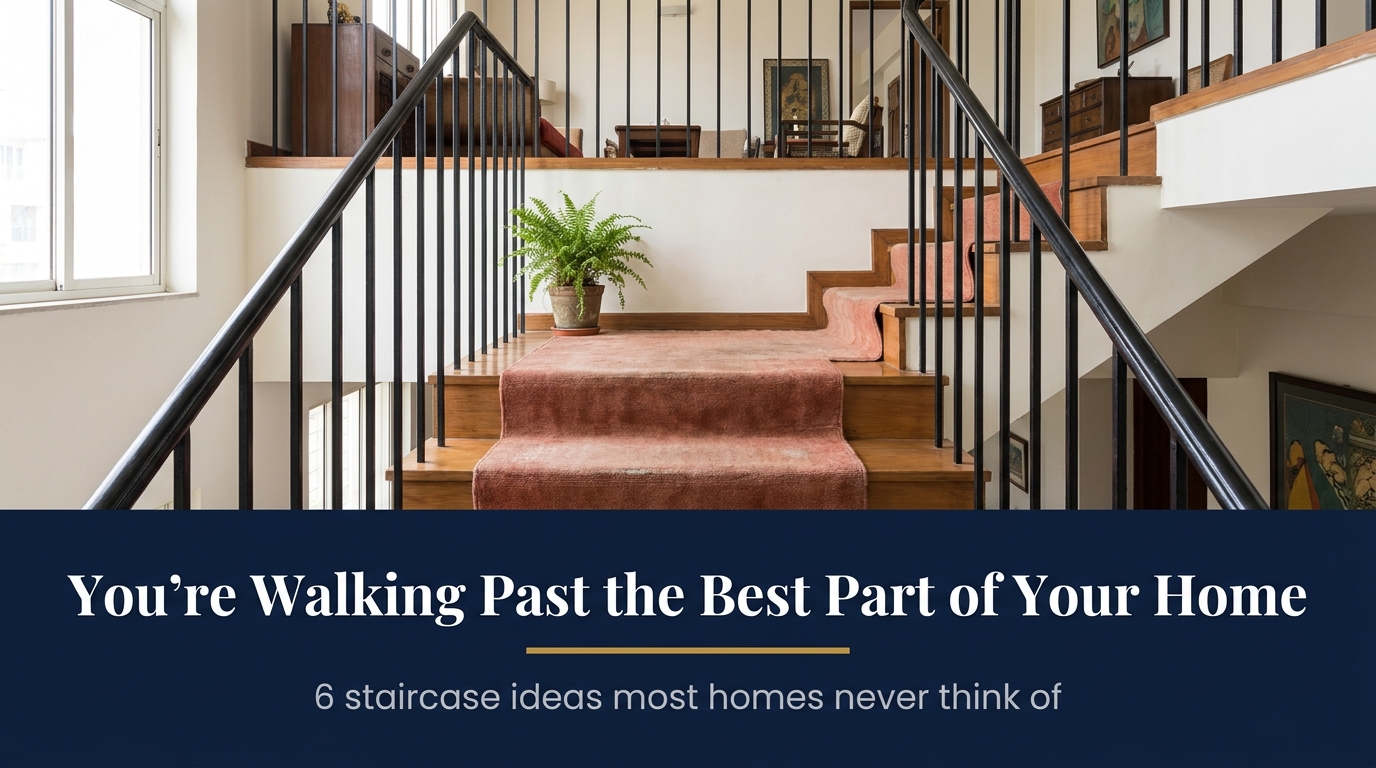
Vastu strongly advises against placing a staircase in the Brahmasthan — the central point of the home, considered its energetic core. Structurally, the centre of a floor plan is also usually the point furthest from exterior walls, meaning it gets the least natural light and ventilation of any spot in the home. A staircase built there blocks off the one part of the house that could otherwise be used for a room with windows and airflow, which is a straightforwardly practical reason to route circulation space to the perimeter instead and keep the central, best-lit area for actual living space.
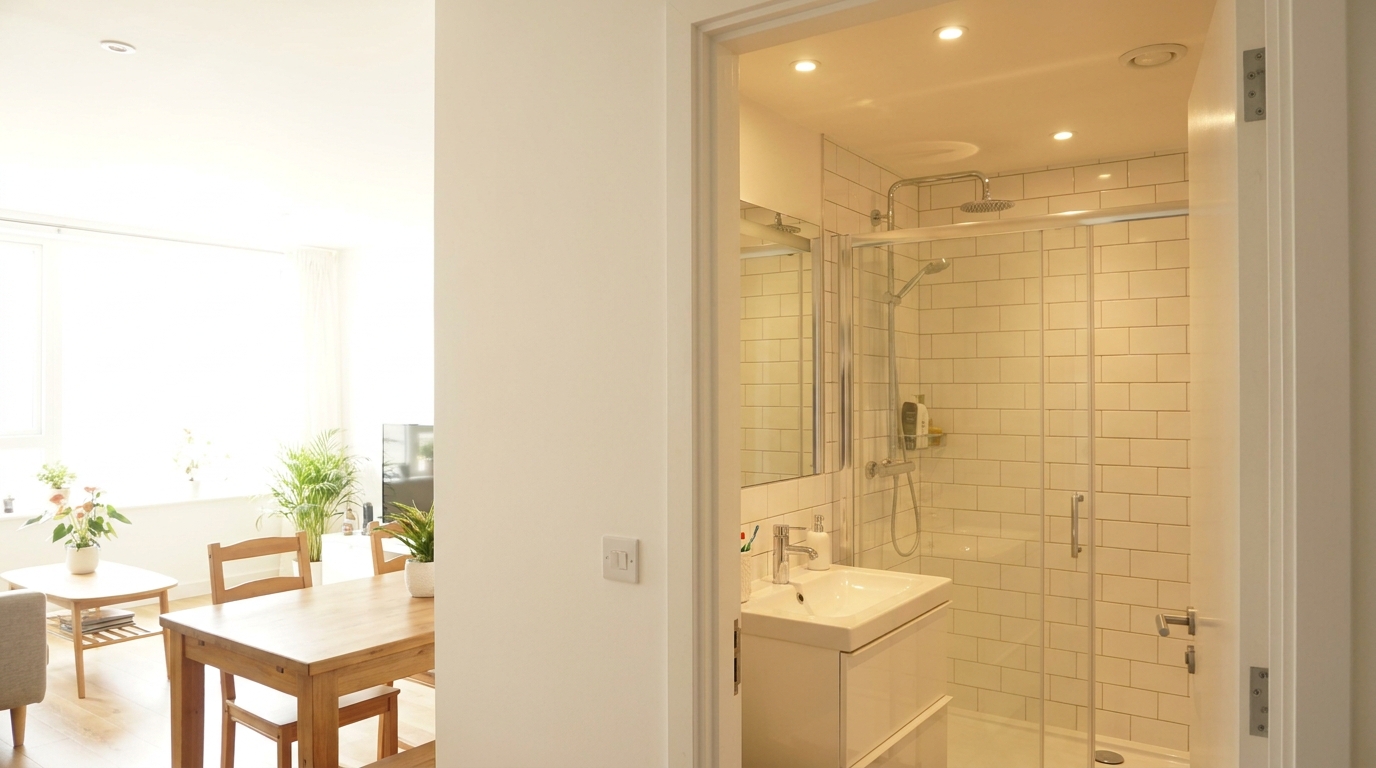
Toilets Kept Out of the North-East
Vastu advises against placing toilets in the north-east corner, considering it disruptive to the home's most sacred zone. Practically, if the north-east is genuinely the best-lit, most pleasant corner of the home for the reasons covered in points one and five, then it's also the corner best suited for a living space, kitchen, or pooja room rather than a functional, enclosed room like a bathroom that doesn't particularly benefit from that light or position in the first place. It's less about the toilet being "impure" and more about not wasting the home's best corner on the room that needs it least.
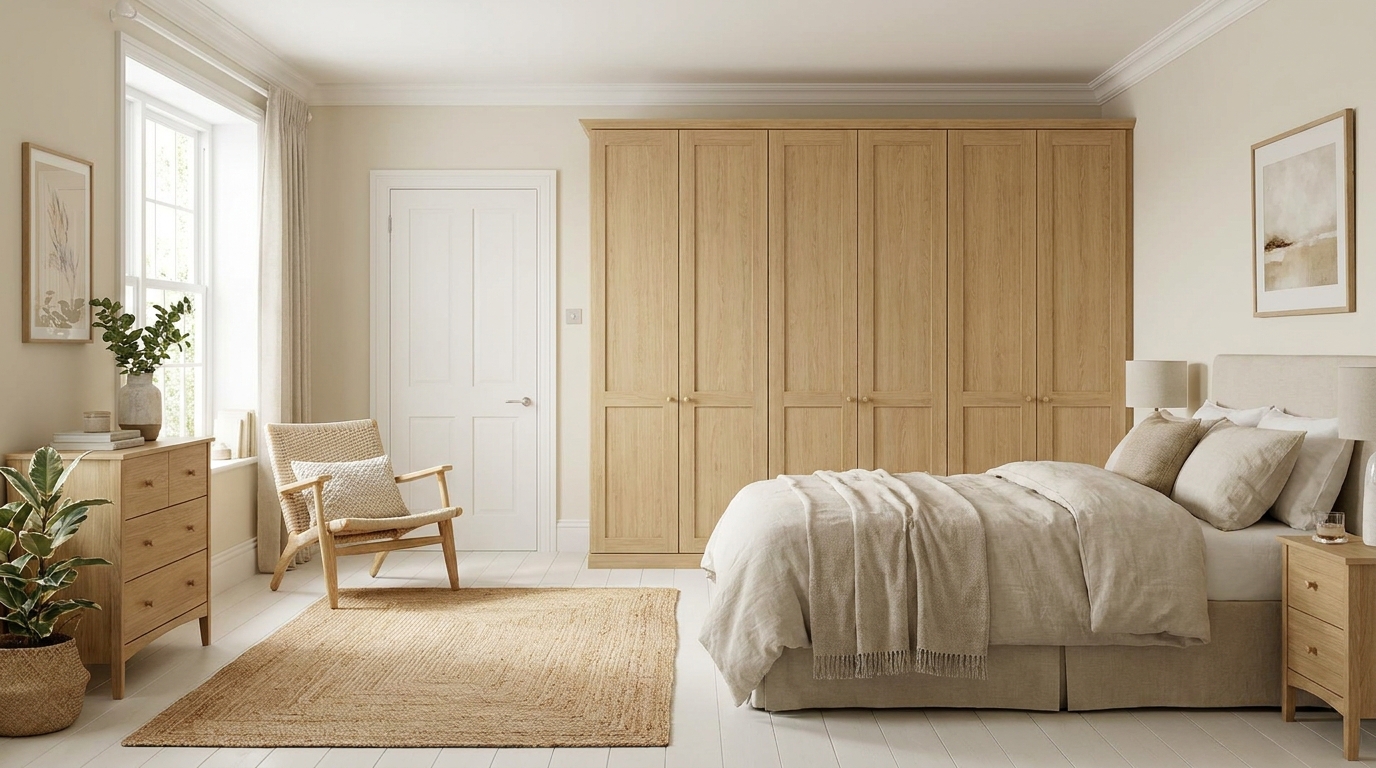
Heavy Furniture in the South-West
Vastu recommends keeping the heaviest furniture — wardrobes, large storage units, the bed — in the south-west portion of a room, with lighter, more open furniture toward the north-east. This tracks with basic structural common sense: placing heavy, static furniture toward the corner of the room typically furthest from windows and doorways keeps walkways and light-facing areas clear, while the heaviest items sit where they're least likely to block airflow, sightlines, or the room's main circulation path.
Closing
None of this is a claim that Vastu is "really just physics" — the tradition carries meaning well beyond what a practical explanation can capture, and that's not the point of this list. What's worth noticing is that a lot of the specific placements that get passed down as rules were, in a lot of cases, also genuinely sound responses to light, airflow, and structural logic long before anyone wrote them down as Vastu. Understanding the reasoning behind a guideline doesn't replace the tradition — but it does make it a lot easier to explain to a contractor, a partner, or a design-skeptical family member why a particular placement is actually worth keeping.
Want a real estimate for your home?
Share your home in 2 minutes. We'll match you with verified designers in your city and give you a BOQ-level estimate before any work begins.
Share your home →